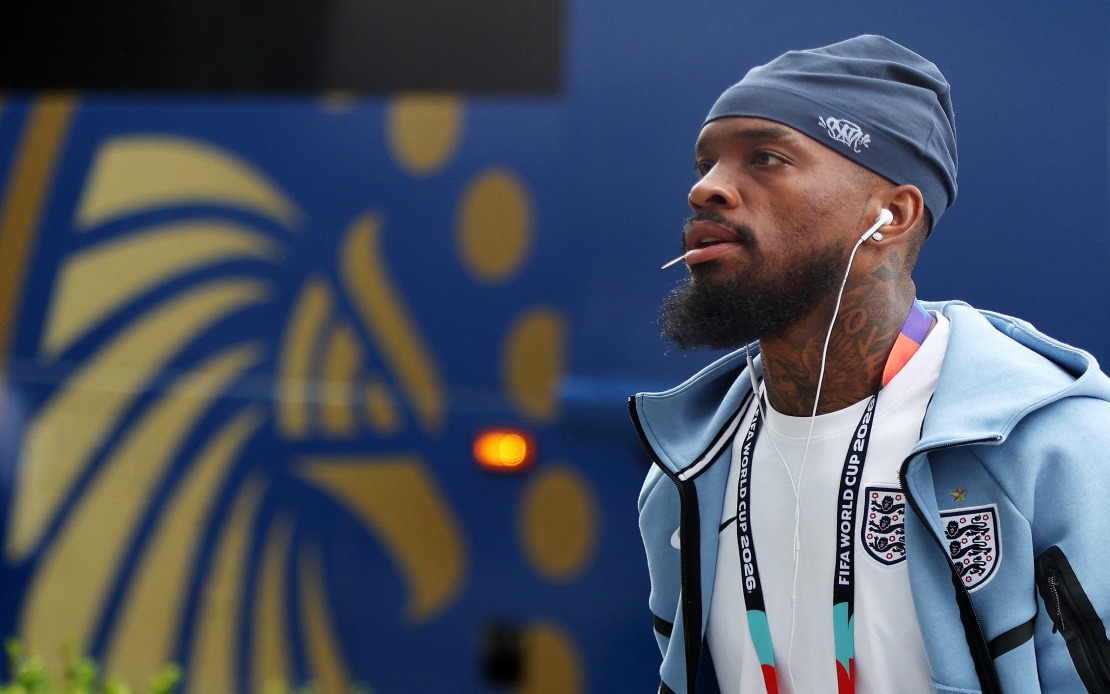
England striker Ivan Toney has been formally charged with assault following an incident that occurred at a Soho nightclub in central London. The Metropolitan Police filed the charge against the 30-year-old on July 31, marking a significant development in a matter that has attracted considerable attention given his high-profile status in professional football.
Toney, who currently plays for Saudi Pro League side Al-Ahli, faces a charge of assault causing actual bodily harm. The alleged incident took place on December 6 of the previous year at a venue on Wardour Street, one of London's well-known entertainment districts. The specifics of what transpired remain subject to legal proceedings, though the decision to pursue formal charges indicates investigating officers determined sufficient evidence existed to proceed.
The footballer's legal team released a statement acknowledging the seriousness of the situation while maintaining his right to contest the allegations through the courts. The response struck a measured tone, noting that although Toney naturally found himself in difficult circumstances, he welcomed the opportunity to present his side of events before a judicial authority. Such measured responses from accused individuals are standard practice when navigating the English legal system, particularly for those in the public eye.
Toney's scheduled appearance at Westminster Magistrates' Court is set for September 24, providing several months before he must formally respond to the charge. This timeline allows his legal representatives adequate opportunity to prepare a defence strategy and gather necessary evidence. Westminster Magistrates' Court handles less serious criminal matters at first instance, though depending on the court's findings, cases can be referred to higher courts if circumstances warrant it.
The case carries implications for the footballer's career trajectory, particularly given his relatively recent transfer to the Saudi Pro League, which has become an increasingly attractive destination for established European players. Al-Ahli, a prominent club in the Saudi Professional League, will undoubtedly be monitoring developments closely, as legal complications involving contracted players can impact squad stability and public perception.
For Malaysian and Southeast Asian readers, this case illustrates broader questions about athlete conduct and accountability in the modern sporting landscape. High-profile footballers operating across multiple continents face intense scrutiny, and legal matters in one jurisdiction can reverberate throughout their international profile. The prominence of social media means such incidents achieve rapid global circulation, affecting not only the individuals involved but also their commercial interests and sponsorship arrangements.
England's football ecosystem has experienced several high-profile legal matters involving players in recent years, reflecting broader societal conversations about privilege, accountability, and the responsibilities of public figures. Toney's situation, while involving a nightclub incident rather than match-related conduct, exemplifies how footballers' off-pitch behaviour can attract serious legal consequences. The assault charge, if pursued to conviction, could carry implications ranging from financial penalties to potential custodial sentences, depending on the gravity of injuries sustained and the court's assessment of circumstances.
The three-month period before his court appearance provides time for the legal system to operate deliberately and carefully. Both the prosecution and defence will present their cases, and the magistrate will determine whether the evidence supports the charge. Should Toney be convicted, sentencing guidelines for assault causing actual bodily harm typically consider factors including weapon use, severity of injuries, premeditation, and the defendant's circumstances and character.
For international athletes like Toney, legal proceedings in foreign jurisdictions present additional complexity. Managing media relations, ensuring proper legal representation familiar with English law, and maintaining focus on professional commitments while navigating criminal proceedings requires substantial personal resilience. The case also raises questions about duty of care and personal conduct expected of elite athletes who earn substantial incomes and wield considerable cultural influence.
The forthcoming court hearing will represent a critical juncture, with outcomes potentially affecting not only Toney's immediate legal standing but also his long-term career prospects. Public figures in professional sports increasingly face heightened expectations regarding behaviour outside competition contexts, and legal entanglements can prove career-limiting regardless of final judicial outcomes. How the situation resolves will likely influence discussions within football circles about player conduct, club responsibilities, and the boundaries between private conduct and professional obligations in contemporary sports culture.

