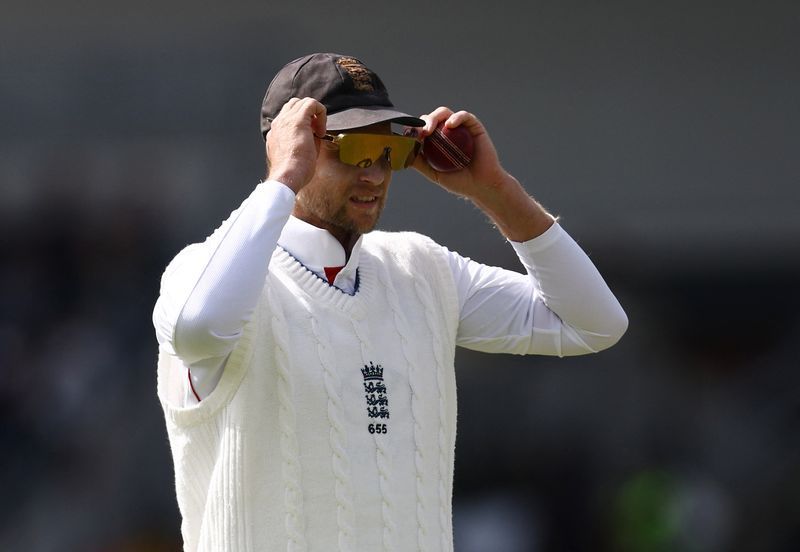
England's cricket captain Joe Root has expressed deep frustration over what he describes as a pattern of avoidable mistakes away from the playing field, following the latest in a string of nightclub-related incidents involving team members. Root's candid remarks came after videos circulating on social media appeared to capture fast bowler Brydon Carse in police custody at a nightclub, prompting the England Cricket Board to exclude the 31-year-old from the imminent second test match against Pakistan scheduled to commence on Thursday.
The recurring nature of these incidents has become impossible to ignore for England's cricket establishment. Carse's detention represents merely the latest episode in a troubling sequence that has ensnared several high-profile squad members including batter Harry Brook, batsman Ben Duckett, former captain Ben Stokes, and pace bowler Gus Atkinson. Each incident has reinforced growing concerns about the discipline and conduct standards within the national team, with observers pointing to an apparent culture of excessive drinking among players in their downtime.
Root, who reclaimed the captaincy after Ben Stokes stepped away from international cricket, did not mince words when addressing journalists on Tuesday. "If I'm being brutally honest, I'm really hacked off. I'm really disappointed," he stated, emphasising that his frustration extended beyond any single isolated occurrence. The captain's exasperation appears rooted in what he perceives as a systemic problem rather than occasional lapses in judgment by individual players.
The core of Root's concern centres on the distraction these incidents create from the team's primary mission: performing effectively on the cricket pitch. He articulated his view that continued off-field misconduct undermines the team's efforts to establish themselves as genuine competitors and representatives of English cricket. This sentiment carries particular weight given that England secured a decisive innings victory over Pakistan in the opening test by a margin of 103 runs, demonstrating capability that contrasts sharply with the negative headlines generated by player behaviour away from the ground.
Root outlined the steps the team has already undertaken to address the disciplinary vacuum, stressing that squad members have engaged in frank discussions about the expectations placed upon them as representatives of the England cricket team. These conversations, he suggested, have made abundantly clear to players what standards of conduct are required and what responsibilities come with wearing the national colours. However, the captain acknowledged the reality that cultural transformation cannot occur instantaneously, and that sustained commitment from all parties will be necessary to achieve meaningful change.
Regarding Carse specifically, Root revealed he had personally spoken with the player and offered insight into his state of mind following the incident. The captain indicated that Carse is experiencing genuine remorse for his actions and comprehends the seriousness of the situation. Root's characterisation suggested the player is deeply apologetic and understands how his behaviour has reflected poorly on the team, adding that Carse would likely provide his own account of the incident and his contrition when circumstances permit.
Carse's immediate fate has been sealed with his exclusion from the second test, with Sonny Baker selected as his replacement for the fixture at Lord's. Though Carse was initially placed under arrest, he was subsequently de-arrested and released without formal charges being filed. Nevertheless, the matter remains under active scrutiny, as the independent Cricket Regulator announced it will conduct a formal investigation to determine whether Carse contravened the ECB's code of conduct governing player behaviour.
The timing of this incident is particularly problematic for English cricket, arriving just as the team demonstrates renewed competitive form against Pakistan. With England having dominated the first test and facing the second match at the historic Lord's venue followed by a third test in Birmingham later in the month, the squad possessed an opportunity to project an image of a professional, disciplined outfit capable of competing at the highest level. Instead, the nightclub incident has dominated discourse surrounding the series and overshadowed the team's on-field achievements.
For Malaysian and Southeast Asian cricket followers, England's struggles with player discipline offer a cautionary tale about the challenges facing international sports organisations in managing athlete behaviour in an age of social media scrutiny. The incidents raise questions about whether the pressure and lifestyle associated with international cricket create conditions conducive to poor decision-making, and whether stricter oversight or modified team protocols might be necessary. Root's frank acknowledgment of the problem suggests England's leadership is at least cognisant of the need for change, though whether words will translate into substantive cultural transformation remains to be seen.

