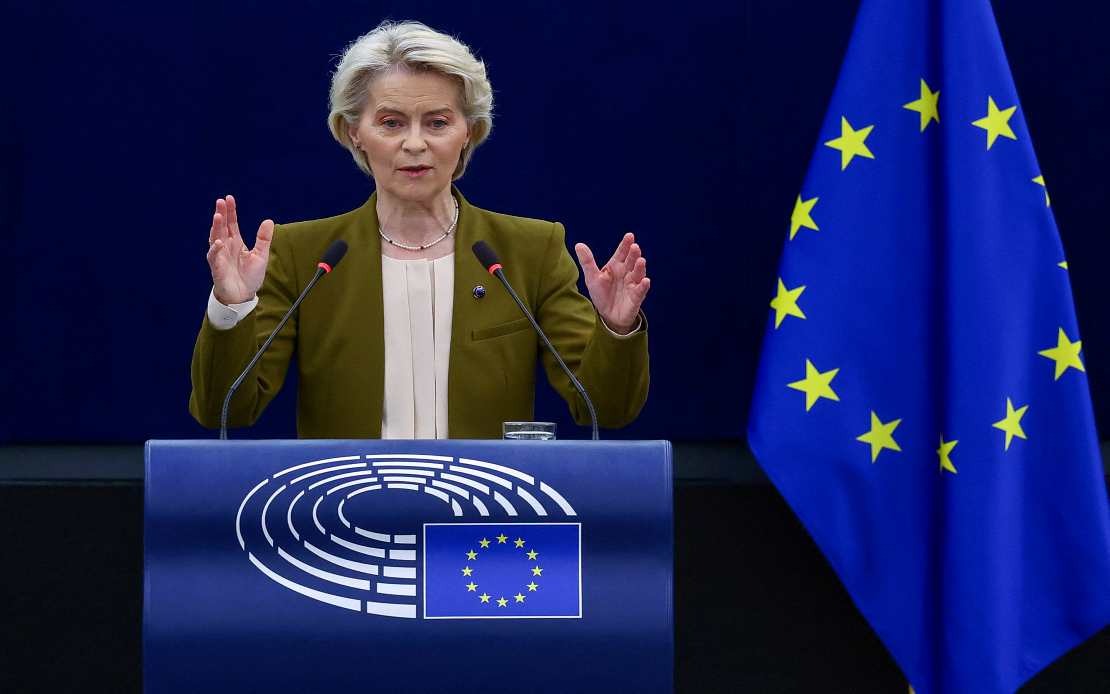
The European Union has announced a €2.1 million humanitarian assistance package for Colombia in the aftermath of a 7.4 magnitude earthquake that struck the country earlier this week, leaving at least 181 people dead and thousands more displaced. The announcement came as search and rescue operations continued across affected regions, with European Commission President Ursula von der Leyen emphasising the bloc's commitment to supporting Colombia through its crisis response efforts.
The European Commission's funding represents a rapid mobilisation of resources aimed at addressing the most pressing humanitarian needs in the earthquake's wake. The assistance encompasses a broad spectrum of critical supplies and services, including medical materials for overwhelmed healthcare facilities, clean water supplies and sanitation equipment essential for preventing disease outbreaks in temporary shelters, hygiene materials for displaced populations, food provisions for those unable to access markets, protective equipment for vulnerable groups, and cash transfers to enable survivors to purchase essential goods and services. This multifaceted approach reflects the EU's understanding that earthquake recovery requires simultaneous intervention across multiple dimensions of human need.
Immediate action began even before the formal announcement of the broader aid package. On Tuesday, the European Commission had already released €100,000 specifically to the German Red Cross, which maintains operational presence in the hardest-hit regions of Chocó and Valle del Cauca provinces. This targeted allocation was calculated to address the urgent requirements of approximately 2,500 families facing the most acute shortages in food, shelter, and basic medical supplies in the immediate aftermath of the disaster.
Beyond financial contributions, the EU has leveraged its technological capabilities to support on-the-ground emergency operations. The bloc has made available its advanced satellite mapping services, which provide real-time imagery and analysis to assist Colombian authorities in identifying collapsed structures, locating trapped survivors, assessing damage distribution across affected areas, and coordinating the deployment of rescue teams. Such technical support proves invaluable when communication infrastructure collapses and traditional mapping becomes impossible.
The coordination between EU institutions and Colombian authorities remains ongoing, with the European Commission maintaining direct contact with government officials to monitor the evolving situation and adjust assistance according to newly identified needs. This adaptive approach acknowledges that humanitarian crises are fluid situations where initial assessments may require revision as rescue operations uncover additional damage or reveal previously unknown pockets of affected population. The commission has indicated its readiness to scale up assistance should damage assessments indicate greater needs than currently anticipated.
For Malaysia and Southeast Asia, this EU response carries several implications. The earthquake in Colombia demonstrates how wealthier international partners respond to natural disasters in developing nations, providing a model that regional mechanisms like ASEAN might consider strengthening. Given the Pacific Ring of Fire's proximity to Southeast Asia, earthquakes pose similar catastrophic risks to multiple ASEAN members, particularly Indonesia, Philippines, and Myanmar. The EU's rapid deployment of satellite technology and coordinated multilateral response offers lessons for improving regional disaster preparedness frameworks.
The scale of EU assistance, while substantial at €2.1 million, reflects the magnitude of the humanitarian crisis but also highlights how international aid typically falls short of total reconstruction costs. Colombia faces an extensive rebuilding task that will require resources far exceeding emergency humanitarian packages. This pattern is instructive for Southeast Asian nations calculating their own disaster preparedness budgets and insurance mechanisms, as international aid, though welcome, cannot fully substitute for robust domestic disaster management systems and contingency reserves.
The emphasis on health, water, sanitation, and hygiene materials in the EU package underscores a critical reality often overlooked in initial disaster coverage: the secondary health threats posed by earthquake aftermath rival the immediate trauma injuries. Contaminated water supplies, overcrowded temporary shelters, and inadequate sanitation facilities create conditions for rapid disease transmission among vulnerable populations, potentially multiplying the initial death toll. This cascading threat makes the European Commission's focus on water and sanitation equipment as central to humanitarian response a recognition of evolving understanding in disaster management.
Colombia's earthquake and the EU's measured response also illustrate broader patterns in international humanitarian action. The involvement of the German Red Cross as a implementing partner demonstrates how European disaster relief operates through established civil society networks already present on the ground, rather than deploying entirely new external structures. This approach builds on existing institutional capacity and relationships, though it also means response effectiveness depends on the pre-existing strength of international NGO networks in disaster zones.
As the situation develops in Colombia, the EU response will likely evolve in scope and nature. Initial emphasis on search and rescue support and emergency supplies will eventually transition toward reconstruction assistance, infrastructure rebuilding, and longer-term recovery support. The current €2.1 million announcement represents merely the opening chapter in what will become a sustained international response spanning months or years.

