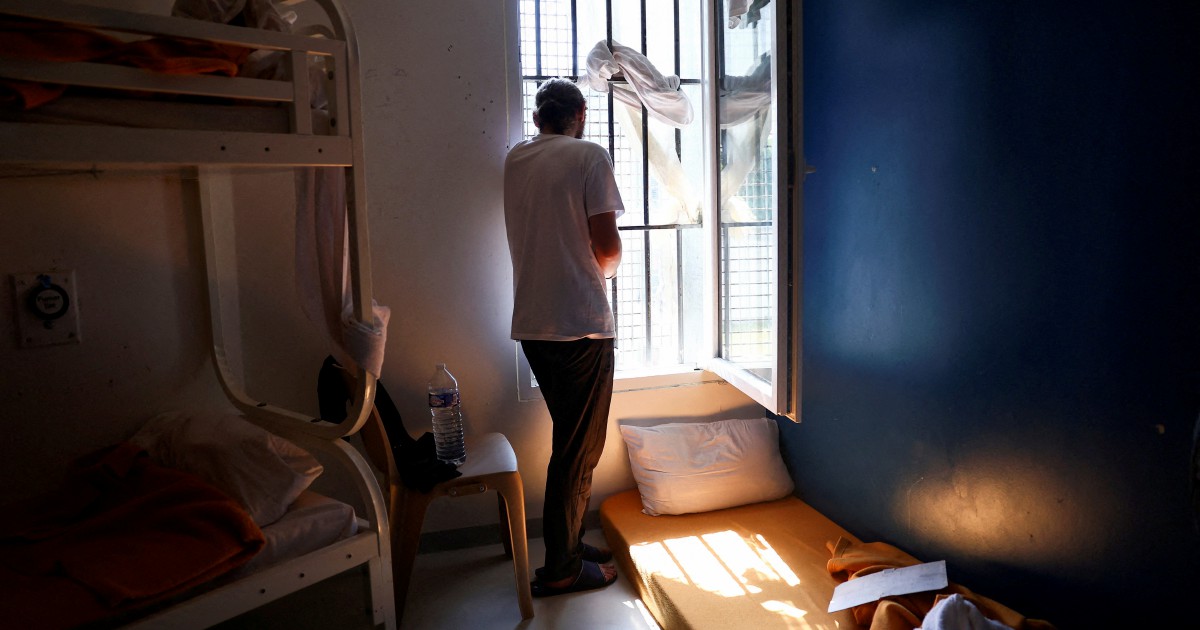
As temperatures across Europe climbed beyond 37 degrees Celsius, imprisoned individuals found themselves confined in cells without adequate ventilation or cooling systems, prompting fresh scrutiny of the continent's detention infrastructure. One detainee in France resorted to positioning wet towels around his window bars—a makeshift cooling strategy that underscores the desperation faced by those locked within walls designed decades earlier, when climate considerations were not factored into prison architecture. The visual became emblematic of a broader systemic failure now laid bare by the climate crisis: Europe's correctional facilities were built when overcrowding and extreme heat were not pressing concerns, yet both have become pressing problems simultaneously.
The convergence of multiple challenges has created what prison administrators and human rights advocates describe as an untenable situation. Across the continent, detention centers operate significantly above capacity while simultaneously aging out of relevance. Many facilities date to the Cold War era or earlier, featuring construction materials and designs that trap and amplify heat rather than dissipate it. As European governments have grappled with crime rates and public safety demands over recent decades, prison populations have swelled, yet infrastructure investments have failed to keep pace with either population growth or changing environmental conditions. The result is a perfect storm: too many people confined in too little space within buildings incapable of managing extreme temperatures.
France represents a particularly acute case study, with its prison system operating at roughly 130 percent capacity in many facilities. The situation became impossible to ignore when summer heatwaves began turning cells into furnaces. Authorities documented incidents where temperatures inside cells reached dangerous levels, placing vulnerable populations—including elderly prisoners, those with medical conditions, and individuals on certain medications—at genuine health risk. The problem extends beyond mere discomfort; extreme heat in enclosed spaces can trigger medical emergencies, exacerbate mental health conditions, and create violence-prone environments where tempers literally run hotter alongside ambient temperatures.
The overcrowding issue reflects broader challenges within European criminal justice systems. Population growth, stricter sentencing policies in some jurisdictions, and lengthy pretrial detention periods have all contributed to rising prison populations. Simultaneously, governments have struggled with budgetary constraints that make comprehensive prison reconstruction economically daunting. Rather than expanding infrastructure, many European nations have pursued policies aimed at reducing incarceration rates through alternative sentencing and rehabilitation programs. Yet these shifts have often lagged behind the reality of current prison populations, leaving facilities caught in limbo between yesterday's capacity and today's inmate numbers.
The human rights implications demand urgent attention. International detention standards, including those upheld by the European Court of Human Rights, establish baseline conditions for prisoner welfare. Excessive heat without adequate mitigation measures potentially violates these standards, exposing governments to legal challenges and reputational damage. Prisoners themselves have become more vocal, with legal advocates documenting complaints and initiating litigation. When political leaders visit detention facilities and witness firsthand the conditions inmates endure, the pressure for reform intensifies—as demonstrated when French prisoners felt compelled to explain their circumstances directly to visiting officials.
From a Southeast Asian perspective, Europe's prison infrastructure crisis offers cautionary lessons. The region's own detention facilities often operate under similarly challenging conditions, with tropical climates creating heat-related stresses without adequate cooling infrastructure in many jurisdictions. Malaysia, Indonesia, and other nations in the region have grappled with prison overcrowding for years, and while climate patterns differ from Europe, the fundamental infrastructure inadequacy parallels the European situation. The European example demonstrates how postponed investment in correctional facilities eventually creates humanitarian and administrative crises that prove far more expensive to address retroactively.
Addressing the crisis requires multifaceted solutions that European governments have begun acknowledging. Some jurisdictions are retrofitting existing facilities with improved ventilation systems and cooling technology, though costs remain substantial. Others are investing in construction of new, climate-resilient facilities designed with modern standards in mind. However, these infrastructure improvements take years to implement, leaving current prisoners in deteriorating conditions during construction and transition periods. Complementary approaches include accelerating prisoner release programs, increasing use of community sentences, and improving case management to reduce pretrial detention periods—measures that would simultaneously alleviate overcrowding and ease pressure on aging infrastructure.
The climate dimension adds urgency to what was previously a manageable policy question. As European summers grow longer and hotter due to climate change, the inadequacy of current infrastructure becomes more pronounced annually. Prison authorities cannot simply wait out seasonal heat waves; they must contend with an expanding window of dangerous conditions each year. This reality has prompted some governments to treat prison infrastructure upgrades as climate adaptation investments alongside criminal justice reforms, fundamentally reframing how resources are allocated and justified.
International attention to Europe's prison challenges has implications beyond the continent itself. The European Union, international human rights bodies, and cross-border criminal justice organizations are increasingly focused on detention conditions as a governance indicator. Nations seeking to maintain international credibility and standing face pressure to demonstrate adequate prison standards. For developing nations and middle-income countries, including those in Southeast Asia, Europe's struggles illustrate that even wealthy, advanced democracies struggle with detention infrastructure adequacy. This should prompt regional policymakers to prioritize prison investment proactively rather than reactively addressing crises after they emerge.
Looking forward, the European experience suggests that solving the convergence of overcrowding and inadequate infrastructure requires coordinated action across multiple policy domains. Criminal justice reform, capital investment in infrastructure, climate adaptation planning, and international human rights compliance must advance simultaneously rather than in isolation. Countries that address these interconnected challenges will improve conditions for imprisoned populations while reducing the long-term costs of managing detention crises. Conversely, nations that delay comprehensive reform risk seeing their prison systems become flashpoints for human rights violations, legal liability, and public health emergencies as climate impacts intensify.

