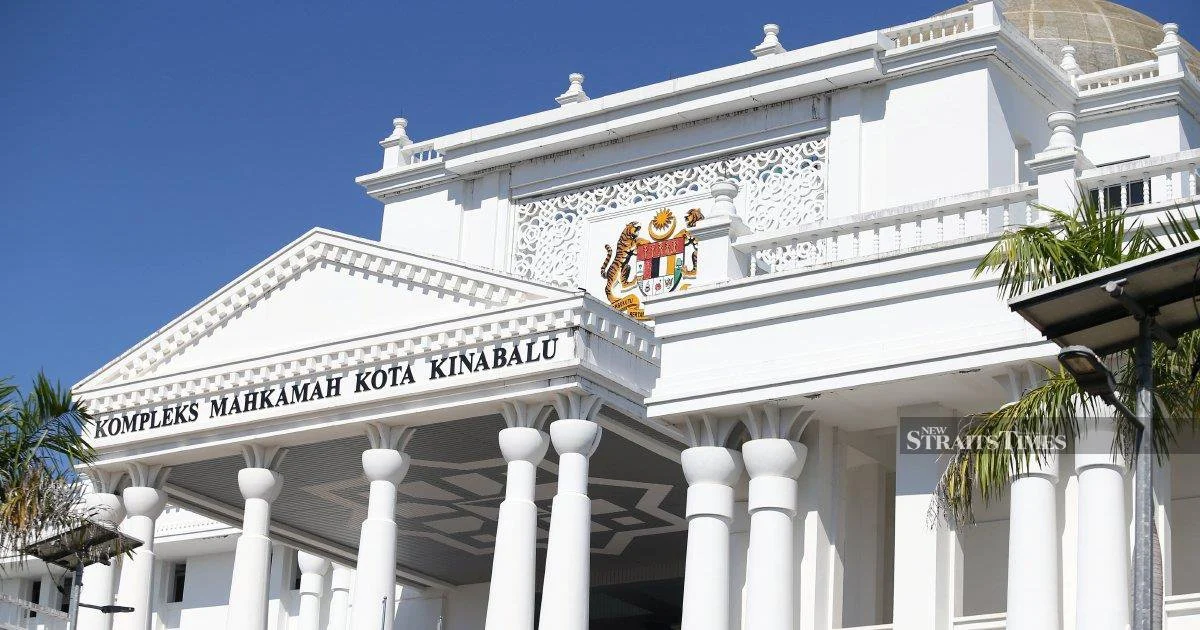
The inquest into the death of 13-year-old Zara Qairina Mahathir, which has drawn intense public attention in Malaysia, continued in Kota Kinabalu as the 74th witness took the stand. The expert, who specialises in document examination, expressed reluctance to directly contradict conclusions reached by another forensic document analyst whose findings had already been presented to the court. This cautious stance reflects the nuanced dynamics that often emerge in expert testimony, where specialists may hold differing interpretations of evidence while remaining reluctant to undermine their colleagues' professional credibility.
Document examination is a critical forensic discipline that involves analysing handwriting, signatures, paper composition, ink properties, and other physical characteristics of written materials. In high-profile cases involving suspicious deaths or foul play, such expert testimony can carry substantial weight in determining whether documents are authentic or forged, or whether certain marks indicate coercion or falsification. The reluctance of forensic experts to directly challenge each other's work, even when they may harbour private doubts, highlights broader professional considerations within the field that extend beyond the immediate case at hand.
The inquest into Zara's death represents one of Malaysia's most closely scrutinised legal proceedings in recent years, commanding significant media coverage and public debate. The teenager's death, which occurred in circumstances that sparked considerable controversy and speculation, prompted authorities to convene a formal inquest to establish the facts surrounding her demise. Multiple expert witnesses have been called to provide specialised testimony across various forensic disciplines, and their collective contributions are intended to assist the court in reaching conclusions about what transpired.
The hesitation expressed by this particular witness underscores a common tension within the legal system when multiple experts examine the same evidence. Different analysts may employ slightly different methodologies, draw different conclusions from ambiguous evidence, or interpret their findings through different professional lenses. When a witness is reluctant to directly contradict a colleague's work, the court must weigh whether this reflects genuine professional consensus or perhaps an informal professional courtesy that prioritises not undermining other experts' credibility over providing unambiguous testimony.
Document examination experts, like all forensic specialists, operate within professional standards and guidelines established by bodies both internationally and within their respective countries. Malaysia's forensic community, while developing increasingly sophisticated capabilities, often contends with resource constraints and varying levels of expertise across different laboratories and practitioners. This can create situations where expert conclusions, while all conducted in good faith, may not always perfectly align, leaving judges and juries to navigate conflicting or overlapping professional opinions.
The witness's caution in not directly contradicting the earlier expert reflects practical considerations within expert testimony. Once one analyst has publicly presented findings in court, directly contradicting that expert creates uncomfortable dynamics that can undermine the entire profession's credibility in the eyes of judges and the public. Furthermore, without access to identical methodologies or complete agreement on interpretation standards, outright contradiction may be professionally unjustifiable, even if subtle differences exist in analytical approach or conclusion.
For Malaysian legal observers, this pattern in the inquest raises important questions about how the courts can best extract maximum clarity from competing or complementary expert evidence. The inquest system, designed to establish facts surrounding sudden or suspicious deaths without necessarily assigning criminal culpability, relies heavily on expert testimony to reconstruct events and understand causation. When experts prove reluctant to engage in direct contradiction, the court must work harder to extract nuanced distinctions and identify areas of genuine disagreement versus areas of professional consensus.
The ongoing inquest continues to attract public attention partly because questions about Zara's death have resonated deeply within Malaysian society. The convergence of youth, privilege, and uncertain circumstances created a narrative that captured widespread interest and concern. Each witness's testimony, including this document examiner's cautious remarks, contributes incrementally to a fuller understanding of what occurred, even when that testimony is marked more by professional restraint than by decisive contradiction of earlier experts.
As the inquest progresses through testimony from the 74th and subsequent witnesses, the accumulated expert evidence will eventually provide the framework within which judicial officers must assess what actually happened. The reluctance of some experts to sharply contradict colleagues perhaps reflects the genuine complexity of forensic analysis, where findings are often probabilistic rather than absolutely definitive, and where professional standards themselves may permit somewhat varying interpretations of evidence. Understanding these subtleties becomes crucial for the public and media attempting to follow the proceedings and comprehend their significance.
The case also illustrates how inquest procedures, which differ fundamentally from criminal trials, place different burdens and expectations on expert witnesses. Rather than operating within an adversarial framework where opposing sides employ their own experts to contest interpretations, inquests typically feature a more collegial environment where multiple experts contribute their specialised knowledge toward a shared goal of factual determination. This context may partially explain why experts might exercise caution about directly contradicting peers, since the overall objective involves collaborative truth-seeking rather than forensic combat.
Moving forward, judicial officers conducting the inquest will need to synthesise the testimony from this document examination expert alongside all other evidence presented. Whether her reluctance to contradict the earlier analyst reflects genuine professional consensus or merely professional courtesy will become clearer as the complete evidentiary picture emerges. The ultimate findings of the inquest will necessarily reflect the court's assessment of all available evidence, including the nuances and limitations evident in expert testimony itself.

