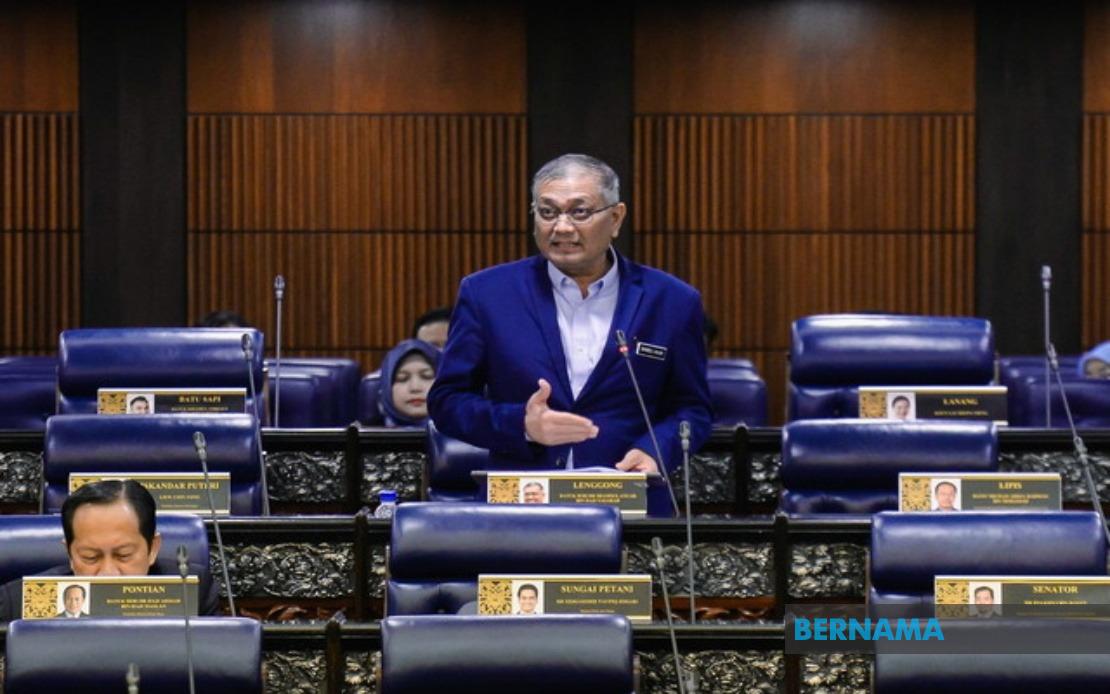
The Home Ministry has moved to clarify the distinction between disciplinary measures and physical punishment following public concern over the use of extra drills within the Royal Malaysia Police, emphasizing that such duties are designed to build professional conduct rather than inflict harm on personnel. Deputy Minister Datuk Seri Dr Shamsul Anuar Nasarah made the statement in Parliament on July 14, responding to questions raised about the death of a policeman in Sepang in May and the procedures governing how such measures are imposed across the force.
Under the regulatory framework established through Paragraph 32 of the Inspector-General of Police's Standing Orders (PT KPN) A110 on Discipline, extra drills and field duties are presented as corrective tools specifically designed for handling minor infractions among junior-ranking officers. The Home Ministry's position reflects an attempt to distance these measures from accusations that they constitute punishment mechanisms that could endanger officer welfare. Instead, the ministry characterizes field duties as part of a structured approach to fostering character development and behavioural improvement, suggesting that the intent is reformation rather than retribution.
In response to concerns raised by Roy Angau Gingkoi (GPS-Lubok Antu) regarding the standard operating procedures for implementing such drills, the ministry revealed that new safeguards have been introduced. Specifically, the PDRM Integrity and Standards Compliance Department (JIPS) issued an administrative directive dated June 29 that mandates the use of health assessment forms as part of strengthened procedural measures. This step signals recognition that existing protocols may have contained gaps, and the introduction of health screenings suggests an effort to ensure that officers undergoing disciplinary duties are medically fit to do so without risking their wellbeing.
The framework governing these drills imposes clear temporal limits designed to prevent overuse or abuse. According to the ministry's clarification, field duties are capped at a maximum of four hours per day and cannot extend beyond five consecutive days, creating boundaries that distinguish legitimate disciplinary action from potentially harmful practices. These restrictions theoretically prevent the type of excessive demands that could contribute to officer injury or health complications. The ministry emphasized that supervising officers bear responsibility for ensuring that such duties are conducted with prudence, maintaining controlled conditions, and taking into account factors such as the officer's physical health, environmental conditions, and other circumstances that might compromise their safety.
A significant dimension of the controversy involves allegations that extra drills are applied unevenly across the force, with lower-ranking personnel bearing a disproportionate burden. The ministry addressed this by explaining that Paragraph 32 was intentionally designed as an alternative disciplinary mechanism specifically for junior officers, framing differentiated treatment not as discrimination but as legislative design. However, this explanation has potential implications for perceptions of fairness within the organization. The ministry defended this disparity by noting that senior officers are subject to different disciplinary provisions aligned with their service category, suggesting that a tiered system reflects organizational hierarchy rather than favouritism. Nonetheless, the practice of applying more stringent corrective measures to lower ranks than upper ranks carries inherent tensions regarding equity and organizational culture.
The clarification also addresses broader concerns about institutional bullying or hazing within the police force. The ministry argued that disciplinary measures cannot be imposed arbitrarily by superior officers, insisting that every such action proceeds through a formal process with appropriate oversight. This assertion attempts to reassure critics that the system contains checks preventing abuse, though the effectiveness of such internal safeguards ultimately depends on how rigorously they are enforced and whether they remain insulated from political or hierarchical pressure. The existence of formal procedures provides a framework, but their implementation in practice determines whether they offer genuine protection.
The death of the policeman in Sepang served as a catalyst for this parliamentary discussion and the subsequent procedural enhancements. While the ministry did not provide extensive details about the circumstances of that death or establish a direct causal connection to the implementation of extra drills, the timing suggests a degree of responsiveness to public concern. The introduction of health assessment requirements and the reiteration of protective parameters indicate that the incident prompted a reassessment of existing safeguards. For the broader Malaysian public and the police personnel themselves, these developments signal that the government acknowledges vulnerability in the existing system and is implementing corrective measures.
The distinction the ministry draws between discipline and punishment reflects ongoing international and domestic scrutiny of police practices. Many democracies have grappled with defining the line between legitimate corrective action and abusive treatment, particularly in uniformed services where hierarchical authority and physical capability create power imbalances. Malaysia's articulation of this boundary through regulatory parameters and procedural requirements places the force within a framework claiming international legitimacy, though critics may argue that the measures do not address the fundamental power dynamics that enable abuse.
From a regional perspective, Malaysia's approach to police disciplinary mechanisms is observable as part of broader Southeast Asian efforts to modernize law enforcement culture. Neighbouring countries face similar questions about balancing institutional discipline with individual rights and occupational safety. The Home Ministry's emphasis on health assessments and procedural oversight reflects trends toward more professionalized approaches, though implementation remains crucial to credibility.
For Malaysian readers and stakeholders in governance and police administration, the ministry's clarification raises questions about transparency and accountability. While the framework described appears to contain safeguards, public confidence in such mechanisms depends partly on visibility of their operation. The parliamentary debate itself represents a democratic avenue for scrutiny, though ongoing monitoring of how these provisions function in practice remains necessary. The government's willingness to enhance procedures suggests some responsiveness to public concern, yet sustained attention to implementation will determine whether the measures achieve their stated protective objectives for police personnel.
Looking forward, the effectiveness of these disciplinary mechanisms will depend on institutional culture and leadership commitment. Regulations on paper differ significantly from their application in hierarchical organizations where informal practices often supersede formal rules. The Home Ministry's statements represent an official position on policy intent, but whether supervisory officers at district and station levels adhere to prescribed limits and procedures requires ongoing oversight. Training, monitoring, and accountability mechanisms will be essential to translating these directives into consistent protective practices across Malaysia's diverse police commands and regions.

