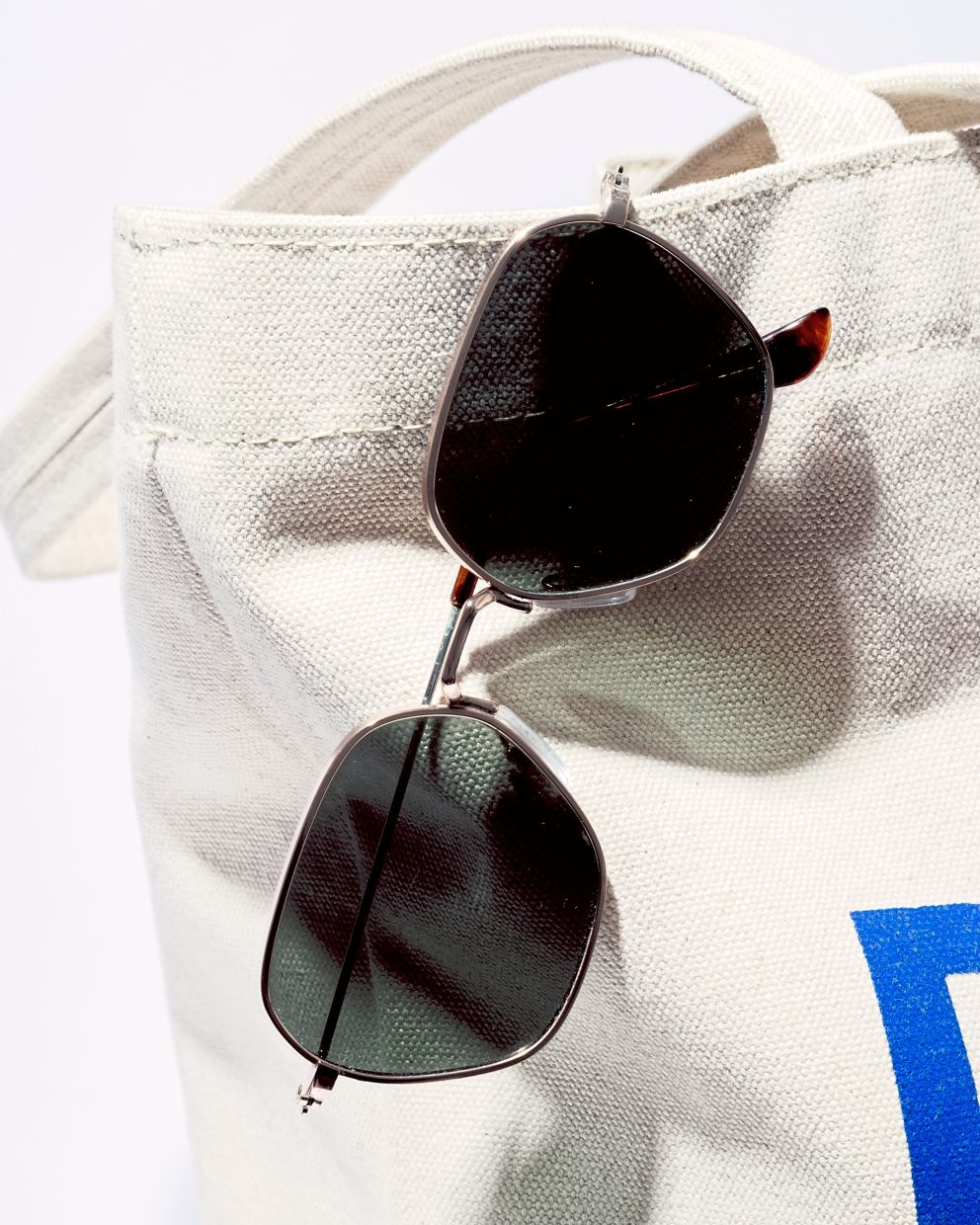
The question of whether sunglasses are necessary every time you step outdoors has a clear answer from the medical community: protecting your eyes from solar radiation is not negotiable. According to leading ophthalmologists, sunglasses function as a dedicated defense mechanism for ocular health, shielding not only the delicate eye structures themselves but also the thin, vulnerable eyelid skin and surrounding tissue that forms one of the body's most sensitive areas. For those living in Malaysia and the tropical Southeast Asian region, where year-round intense sunlight and high UV indices are the norm, this protection becomes even more critical than in temperate climates.
The sun's electromagnetic spectrum reaching Earth includes two primary forms of ultraviolet radiation—UVA and UVB—both of which penetrate our atmosphere daily regardless of whether the sky appears overcast or brilliantly clear. Medical research increasingly demonstrates that UVB radiation poses a more immediate threat to ocular tissues than UVA, yet both wavelengths contribute substantially to cumulative eye damage over a lifetime. For Malaysian residents facing consistent equatorial UV exposure, understanding these distinctions carries practical importance for long-term vision preservation.
One of the most prevalent consequences of unprotected UV exposure is the accelerated development of cataracts, a condition involving protein accumulation that progressively clouds the eye's natural lens. While cataracts occur naturally as part of aging, excessive solar radiation substantially advances their onset, potentially causing vision impairment decades earlier than would otherwise occur. Beyond cataracts, prolonged UV exposure significantly exacerbates age-related macular degeneration, a progressive disease affecting the retina's central region and representing one of the leading causes of vision loss among older adults globally.
The solar radiation risk extends beyond the major eye structures to include two distinct types of abnormal tissue growth on the eye's surface. Pinguecula, the less serious variant, manifests as a small yellowish elevation on the eye's white portion and typically causes minor discomfort without substantially compromising vision. Pterygium, however, presents a more significant clinical concern because it actively grows across the cornea—the eye's transparent front surface—and can eventually impair vision sufficiently to require surgical intervention. For outdoor workers and those spending extended hours in sunlight, pterygium represents a genuine occupational health consideration.
The tissue surrounding the eye deserves equal protective attention. Medical data indicates that between five and ten percent of all skin cancers develop on the eyelid, an area where the skin is exceptionally thin and particularly susceptible to malignant cellular transformation when exposed to excessive UV radiation. Every cell type present in and around the eye region carries theoretical capacity for cancerous mutation when subjected to prolonged solar exposure, a fact that underscores the importance of comprehensive eye area protection for those in high-UV environments.
For individuals already wearing prescription eyeglasses, the protection question becomes more nuanced. Modern prescription lenses, typically manufactured from polycarbonate materials, incorporate ultraviolet protection as a standard manufacturing feature. Most reputable eyewear retailers apply additional UV-blocking coatings to non-polycarbonate lenses as well, meaning that clear prescription glasses often provide protection equivalent to darker tinted sunglasses. However, confirming this protection requires verification—optical shops can test existing glasses to confirm their UV-blocking capabilities using specialized equipment.
Beyond disease prevention, practical comfort considerations make sunglasses valuable for daily outdoor activity. Bright ambient light naturally triggers the body's squinting reflex, a protective mechanism that inadvertently creates facial tension and contributes to the development of fine lines and wrinkles, particularly the characteristic crow's-feet pattern. Sunglasses eliminate the need for this defensive squint, thereby relaxing periocular muscles and reducing visible signs of premature aging—a benefit with particular relevance in Malaysia's intensely sunny climate.
When selecting eyewear for sun protection, whether prescription or non-prescription, consumers should prioritize labels indicating either "UV400" or "100% UVA/UVB protection," terminology that essentially means the lenses block 99 to 100 percent of ultraviolet radiation across the spectrum. While UV regulations vary by country, consumers should exercise caution regarding extremely inexpensive sunglasses sold at tourist venues, as inadequately protected dark lenses can paradoxically increase eye damage by causing pupil dilation without providing corresponding UV defense, thereby allowing unfiltered radiation directly onto the retina.
The practical reality for those concerned about eye protection extends beyond eyewear alone. Ophthalmologists consistently recommend combining UV-protective glasses with complementary strategies including wide-brimmed hats that reduce light angles reaching the eyes and broad-spectrum sunscreen applied to the eyelid and surrounding facial areas. For individuals planning extended outdoor exposure—particularly common in Malaysia during outdoor recreation, commuting, or occupational activities—this layered approach provides substantially more comprehensive protection than eyewear alone can achieve.
Personal circumstances should ultimately guide protection decisions. While brightness itself does not directly increase cancer risk, excessive visible light exposure generates uncomfortable symptoms including eye fatigue, dry eye sensations, headaches, and general visual discomfort that diminish quality of life and productivity. For those experiencing such symptoms, tinted eyewear becomes not merely beneficial but genuinely necessary for functional comfort. Those without pronounced light sensitivity face fewer immediate practical consequences from occasional unprotected outdoor exposure, though cumulative lifetime damage from repeated UV exposure remains a legitimate long-term concern.
The distinction between genuine UV protection and cosmetic tinting holds particular importance for Southeast Asian consumers. A pair of inexpensive, inadequately protected dark glasses can create false confidence while delivering negligible protection benefits. Conversely, clear prescription lenses with proper UV coatings offer equivalent protection despite lacking the aesthetic appearance of traditional sunglasses. Rather than viewing sunglasses as a fashion accessory to wear occasionally, eye health professionals encourage consideration of them as essential medical equipment in tropical climates, comparable to sunscreen's role in skin cancer prevention.
For Malaysian residents and others in similarly high-UV regions, the evidence from the medical community supports routine eye protection as a legitimate health investment rather than an optional lifestyle choice. The combination of year-round intense solar radiation, outdoor-focused cultural activities, and tropical climate patterns creates cumulative eye damage risks that warrant serious protective consideration across all age groups, from children spending their formative years outdoors to adults working in agricultural, construction, and maritime industries where sun exposure proves occupational inevitability.

