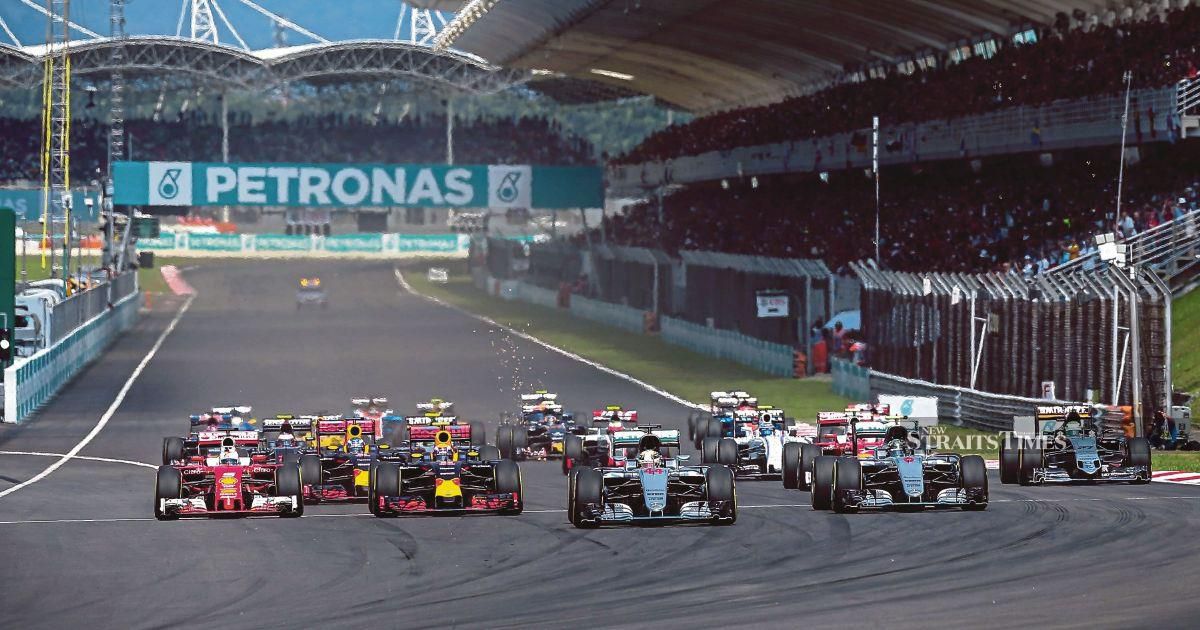
Formula 1 is set to return to Malaysian soil with a landmark initiative designed to democratise access to one of motorsport's most prestigious events. Prime Minister Datuk Seri Anwar Ibrahim has announced the introduction of special Madani tickets, priced from RM200, to ensure that everyday Malaysians can experience the thrill of the Grand Prix at the Sepang International Circuit in October. The affordability-focused programme represents a significant shift in how Malaysia approaches hosting major sporting spectacles, prioritising local participation over exclusively catering to affluent patrons and international tourists.
The Madani ticket initiative reflects the government's broader philosophy of inclusive economic growth, a cornerstone of the Anwar-led administration's policy agenda since 2022. By substantially reducing entry barriers to the Sepang circuit during F1 race weekend, authorities aim to foster national pride in Malaysia's automotive and sporting heritage while simultaneously boosting domestic tourism and consumer spending in the Klang Valley region. The timing of this intervention matters considerably, as it signals government commitment to maintaining Malaysia's status as a premier motorsport destination in Southeast Asia at a moment when regional competition for hosting major events has intensified.
Sepang International Circuit, one of Asia's most modern and well-equipped racing facilities, has hosted the Malaysian Grand Prix since 1999. The circuit's return to the F1 calendar follows years of uncertainty about Malaysia's participation in the global championship calendar. International motorsport governance and shifting geo-political considerations have created unpredictability around venue selection, making this October event particularly significant for Malaysian stakeholders in tourism, hospitality, and related industries. The special ticket arrangement underscores authorities' determination to reverse any perception that F1 in Malaysia remains a luxury spectacle accessible only to elites.
The pricing structure beginning at RM200 represents roughly 60 to 70 percent below typical grand-stand ticket pricing for comparable international racing events, making attendance financially feasible for middle-income Malaysian households. For context, F1 races in major European cities or the Middle East typically command minimum prices ranging from USD 500 to USD 1,500 for standard viewing positions. By contrast, the Madani ticket framework effectively positions Malaysia as exceptionally accessible to domestic audiences, potentially generating substantially larger crowd attendance figures than historical precedent.
Authentic data on how many Malaysians currently attend F1 races at Sepang remains limited in public discourse, though historical estimates suggest that international visitors and corporate hospitality programmes have traditionally dominated ticket sales. The new initiative directly addresses this imbalance by creating dedicated allocation for individual Malaysian citizens, ensuring that the national population derives maximum benefit from hosting expenditures and infrastructure investment. This approach aligns with contemporary trends in global sports event management, where governments increasingly recognise that domestic engagement and grassroots enthusiasm generate long-term economic returns and social cohesion benefits.
The Sepang circuit itself has undergone substantial renovations and upgrades over the past decade, reflecting Malaysia's commitment to maintaining world-class sporting infrastructure. The facility now ranks among the finest purpose-built racing venues globally, equipped with hospitality suites, modern safety systems, and amenities befitting Formula 1's exacting standards. October's event will showcase these facilities to both Malaysian and international audiences, providing an opportunity to highlight the country's engineering capabilities and project management competence on a global stage.
From a Southeast Asian perspective, Malaysia's continued participation in the F1 calendar carries strategic implications. The region has experienced fluctuating international sporting visibility, with Singapore's Marina Bay circuit dominating regional motorsport headlines in recent years. The availability of affordable local tickets positions Malaysia to recapture domestic enthusiasm and potentially attract spectators from neighbouring countries, particularly given Malaysia's geographic accessibility and developed transportation infrastructure. Regional sporting tourism represents a significant economic opportunity, particularly for airline operators, hospitality establishments, and retail sectors concentrated around Kuala Lumpur and Selangor.
The special ticket programme also carries implications for Malaysian television audiences and global broadcasting considerations. Enhanced domestic attendance typically translates into more vibrant trackside atmosphere, generating superior visual content for international broadcasters and improving Malaysia's representation during global F1 coverage. The optics of packed grandstands and enthusiastic Malaysian supporters strengthen the country's positioning within F1's global narrative and may influence future calendar decisions by international motorsport authorities.
Beyond immediate ticketing arrangements, the initiative reflects broader government policy regarding inclusive access to national cultural and sporting events. This philosophy has manifested in reduced pricing for various public entertainment, sporting, and cultural activities throughout Malaysia in recent years. The F1 ticket programme therefore extends a consistent policy narrative while simultaneously addressing an area—international motorsport—where Malaysian participation was previously concentrated among wealthier demographics.
For individuals planning to attend, the RM200 entry point provides extraordinary value considering the comprehensive experience encompassing world-class racing, international broadcast production infrastructure, and exposure to cutting-edge automotive technology. Many Malaysian families will encounter this as a rare opportunity to experience pinnacle motorsport within affordable budget parameters, potentially cultivating lasting engagement with the sport and supporting long-term development of domestic racing talent and enthusiast communities.
The Malaysian Grand Prix in October therefore represents more than routine motorsport scheduling. It embodies a conscious policy choice to prioritise national access, foster inclusive sporting participation, and position Malaysia competitively within regional and global motorsport contexts. Success in executing this vision could establish a template for how Malaysia approaches future major sporting events, balancing international prestige with domestic inclusivity.

