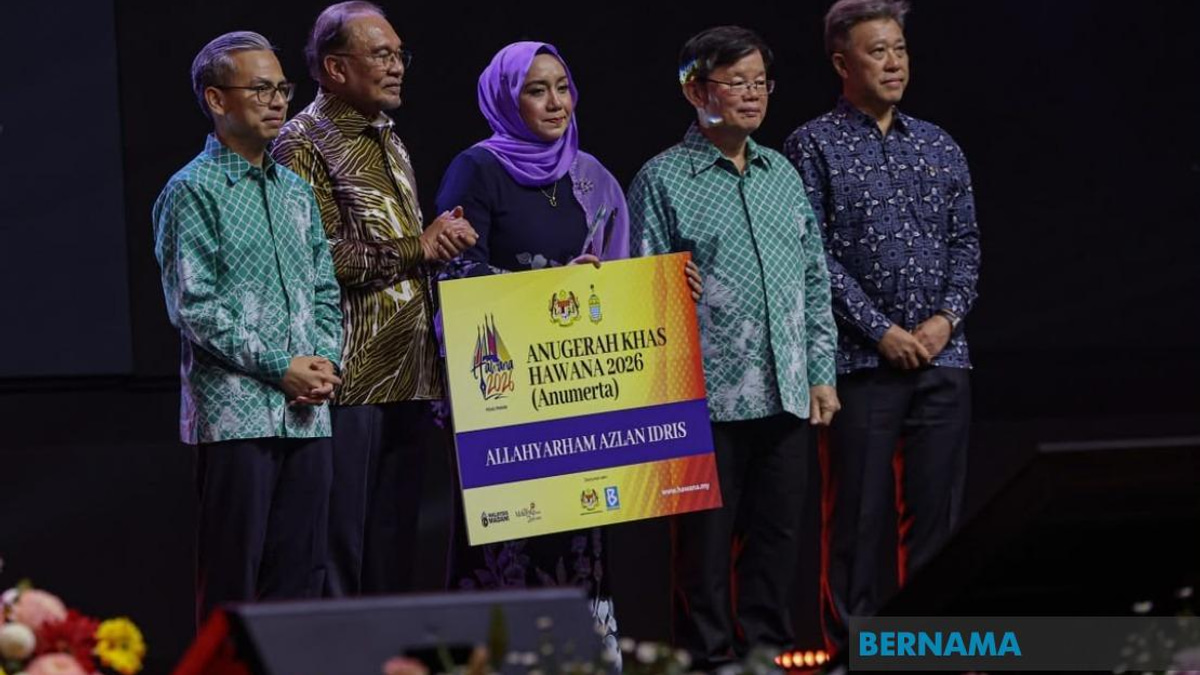
Communications Minister Datuk Fahmi Fadzil unveiled plans to make media retreats a permanent fixture of Malaysia's National Journalists' Day celebrations, signalling a shift towards more institutionalized dialogue between the government and news industry. Speaking at HAWANA 2026 in Butterworth on June 20, Fahmi outlined a framework whereby retreat sessions would be held at each subsequent iteration of the annual event, cementing regular engagement between the Communications Ministry and media practitioners.
The proposal reflects an attempt to create structured channels for the industry to voice concerns and submit recommendations directly to policymakers. Rather than ad-hoc consultations, Fahmi envisions these retreats as dedicated forums where journalists and media executives can articulate feedback, strategic insights, and formal proposals affecting their sector. The minister signalled that the Communications Ministry would work with the Malaysian Media Council to oversee logistical coordination, ensuring consistency and professionalism across future iterations.
Fahmi emphasized that these retreat sessions would serve a dual purpose: gathering industry perspectives on immediate challenges and soliciting longer-term strategic proposals. Discussion topics would encompass substantive policy matters, amendments to media-related legislation, and broader issues underpinning the economic sustainability and future viability of Malaysia's news organizations. By framing these retreats as formal input mechanisms, the government appears intent on demonstrating responsiveness to industry concerns while creating an organized conduit for legislative feedback.
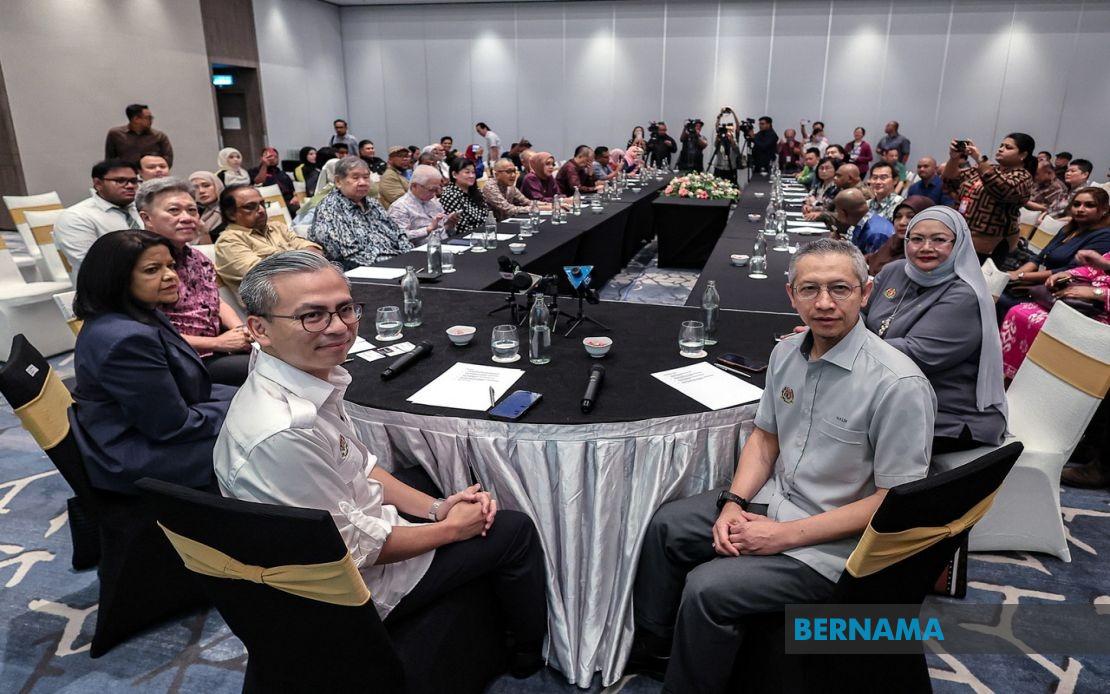
The proposal emerged from an intensive two-hour dialogue held during HAWANA 2026, attended by senior government officials and prominent figures from Malaysia's media landscape. Communications Ministry secretary-general Datuk Abdul Halim Hamzah and deputy secretary-general Datuk Bahria Mohd Tamil participated alongside Malaysian National News Agency chairman Datuk Seri Wong Chun Wai and Malaysian Media Council chairman Tan Sri Nallini Pathmanathan. The composition of attendees underscored the government's intention to engage with multiple stakeholder groups within the media ecosystem.
At the core of discussions lay a pressing economic challenge confronting Malaysia's mainstream media: the inability to monetize content distributed via social media platforms. Fahmi acknowledged that content produced by traditional news organizations circulates extensively on platforms like Facebook, TikTok, and YouTube without generating financial returns or advertising revenue for the publishers. This dynamic has fundamentally altered the economics of journalism, creating a situation where media organizations invest resources in content creation that enriches technology platforms rather than sustaining newsrooms.
The minister proposed that the Malaysian Media Council engage in direct negotiations with major social media platforms regarding revenue-sharing arrangements or content licensing agreements. Such discussions would ideally establish mechanisms through which platforms compensate publishers for news content, mirroring models being implemented in other jurisdictions. Fahmi indicated that the Communications Ministry stands prepared to facilitate government-level support for these negotiations, suggesting official backing for industry efforts to secure fair compensation.
This initiative reflects broader global trends wherein governments and media industries grapple with the structural disruption caused by technology platforms. Countries including Australia, Canada, and several European nations have pursued legislative measures requiring platforms to negotiate with news publishers or face regulatory penalties. Malaysia's approach appears more consultative, leveraging industry forums and council coordination rather than immediately pursuing legislative mandates, though the government's willingness to provide assistance signals potential regulatory backing if voluntary negotiations stall.
The challenges facing Malaysia's media industry extend beyond platform economics. Declining advertising revenues, changing consumption patterns, and rising production costs have forced many news organizations to downsize operations and consolidate resources. The proposed retreat sessions could provide valuable forums for discussing industry-wide solutions, whether through cooperative content initiatives, joint negotiating platforms, or policy reforms affecting media operations and competitiveness.
Fahmi's proposal also reflects recognition that media health constitutes a public interest matter warranting government engagement. A robust, financially viable news industry serves essential democratic functions—holding authorities accountable, informing public discourse, and maintaining journalistic standards. By institutionalizing dialogue through HAWANA retreats, the government signals acknowledgement that media sustainability requires coordinated effort involving policymakers, platform operators, and news organizations themselves.
The timing of this initiative matters within Malaysia's broader media landscape. The country has experienced significant consolidation, with several major publishers operating under common ownership structures. Smaller independent outlets face particular financial strain, raising concerns about media diversity and editorial independence. Structured government-industry dialogue could address these systemic issues through coordinated policy responses, such as tax incentives for news organizations, grants supporting investigative journalism, or regulations requiring platform transparency regarding content algorithmic placement.
Moving forward, the success of institutionalized media retreats will depend on translating dialogue into concrete government action. Industry participants will scrutinize whether proposals submitted through these forums receive serious consideration and generate policy responses. The Malaysian Media Council's coordinating role will prove crucial—the council must function as a credible intermediary, ensuring retreat discussions reflect industry priorities while maintaining professional independence.
This initiative also carries implications for Southeast Asia's broader media landscape. As technology platforms continue reshaping news economics across the region, other governments may observe Malaysia's approach with interest. Should the retreat mechanism prove effective in advancing industry-friendly policies, neighbouring countries facing similar pressures might adopt comparable frameworks. Conversely, if retreats become performative without yielding substantive policy changes, they may undermine industry confidence in government engagement.
Ultimately, Fahmi's proposal represents incremental institutional development aimed at managing the complex relationship between government, media, and technology platforms. By creating regular, structured dialogue forums, Malaysia acknowledges that sustainable journalism requires deliberate policy support and platform accountability. Whether these retreats catalyze meaningful reforms affecting media economics and diversity will determine their lasting significance for Malaysia's news industry.