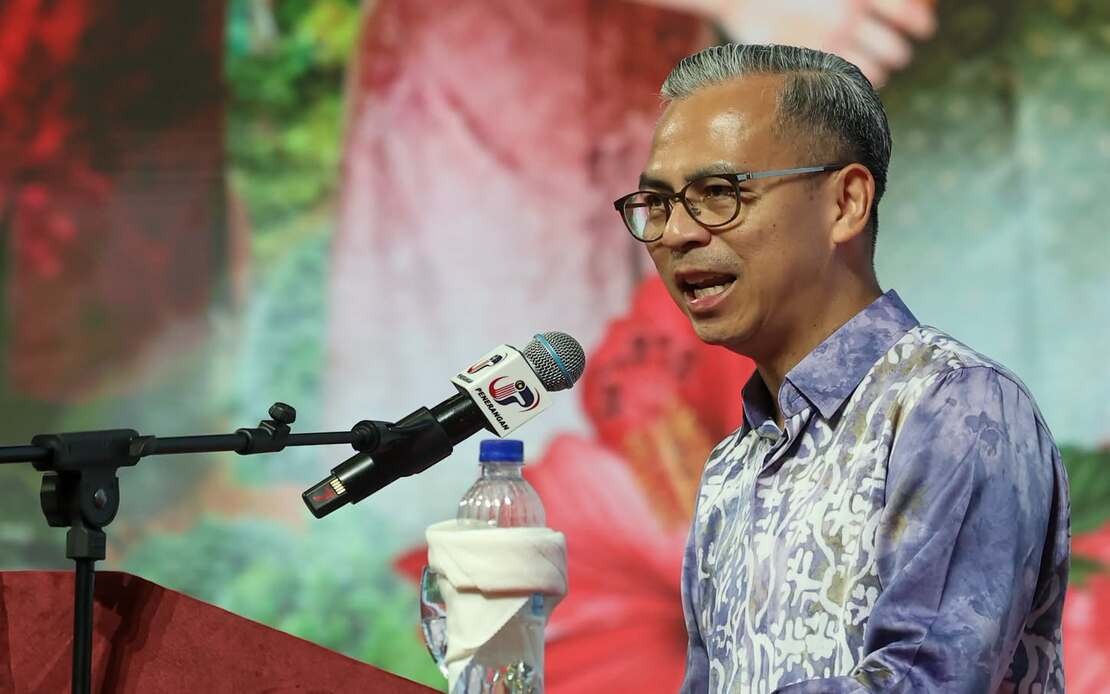
Communications Minister Datuk Seri Fahmi Fadzil has commended acclaimed musician Faizal Tahir for creating 'Aku Berjanji', selected as the official theme song for the 2026 National Day and Malaysia Day (HKHM) observances. The track debuted publicly during the launch of the 2026 National Month and Fly the Jalur Gemilang Campaign in Ipoh on July 19, marking a significant moment in Malaysia's countdown to these dual celebrations.
In his assessment of the composition, Fahmi highlighted the artistic merit of Faizal's work, particularly emphasising the thematic resonance embedded within the musical piece. The minister's endorsement underscored the government's recognition of how music and cultural expression serve as unifying forces in national commemoration. By selecting a locally-produced composition rather than relying on international talent or recycled material from previous years, the government demonstrated commitment to celebrating Malaysia's creative industries during peak patriotic moments.
The launch of the National Month campaign, presided over by Prime Minister Datuk Seri Anwar Ibrahim, generated considerable enthusiasm within political and cultural circles. Fahmi observed that the momentum surrounding the 2026 celebrations had begun building meaningfully following this official kickoff, signalling that the groundwork for a significant national observance was now underway. The dual designation of both National Day and Malaysia Day within the same celebratory framework represents an inclusive approach to honouring Malaysia's diverse national identity.
Faizal Tahir's established reputation within Malaysia's music scene lent credibility and artistic substance to the selection. As both composer and performer, he delivered an interpretation grounded in authentic creative vision rather than formulaic production. The artist's involvement extended beyond mere performance; his compositional choices reflected deliberate efforts to embed patriotic sentiment within accessible, contemporary musical language that could resonate across demographic boundaries.
The minister issued a broader national appeal alongside his congratulations, urging all Malaysians to embrace the Jalur Gemilang with genuine pride during the coming months. Fahmi's specific emphasis on proper flag installation and maintenance reflected practical considerations often overlooked in patriotic enthusiasm. Ensuring flags remain in pristine condition throughout the extended celebration period demands organisational discipline and civic responsibility from businesses, institutions, and households alike.
A secondary concern highlighted by Fahmi pertained to the responsible utilisation of artificial intelligence technology in generating imagery of the national flag. This guidance addressed emerging challenges in the digital age, where AI-generated content could inadvertently produce versions of the Jalur Gemilang containing technical inaccuracies or stylistic distortions. Such errors, whether intentional or accidental, could undermine the symbolic dignity of Malaysia's most recognisable national emblem. The minister's caution reflected governmental awareness of how rapidly digital tools can proliferate unauthorised or flawed representations of protected symbols.
The selection of 'Aku Berjanji' as the official theme carried implications beyond ceremonial significance. By anchoring the 2026 celebrations around a composition centred on themes of unity, solidarity, and patriotic commitment, the government positioned these observances within a broader discourse about national cohesion. In Malaysia's contemporary political landscape, where discussions of unity frequently dominate policy debates and public discourse, the choice resonated symbolically with government priorities.
Faizal Tahir's background as a singer-songwriter known for emotionally intelligent compositions positioned him well to craft a song capable of transcending generational and demographic divides. His body of previous work demonstrated ability to balance commercial appeal with lyrical substance, suggesting 'Aku Berjanji' would likely achieve widespread cultural penetration across Malaysian society and diaspora communities throughout the calendar year leading to 2026.
The campaign's geographical launch in Ipoh, rather than exclusively in the capital, signalled governmental intent to distribute patriotic messaging throughout Malaysia's states rather than concentrating ceremonial activity in Kuala Lumpur. This approach acknowledged that National Day celebrations should constitute a nationwide phenomenon, with provincial cities and towns serving as legitimate venues for official programme launches and cultural activities.
Looking toward the 2026 celebration cycle, the government's coordination of multiple elements—official soundtrack, flag display campaigns, and media messaging—reflected sophisticated planning for an extended national observance. The involvement of established cultural figures like Faizal Tahir demonstrated recognition that authentic creative talent, rather than bureaucratic productions, carries greater persuasive power in cultivating genuine public participation.
For Malaysia's creative industries, the selection represented validation of local artistic capability and commercial viability. By deploying Faizal's composition as the centrepiece of national-level celebrations, the government effectively endorsed homegrown talent as suitable for representing Malaysian identity on official platforms. This had secondary benefits for the broader music ecosystem, potentially encouraging investment in original compositions and performances rooted in Malaysian cultural contexts.

