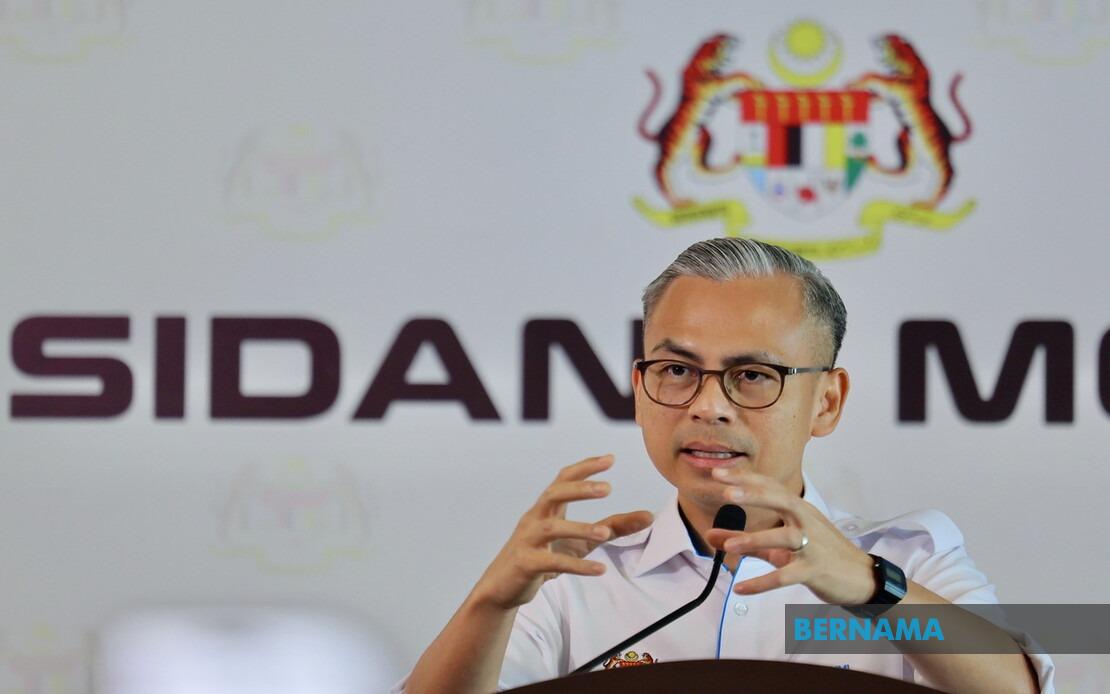
As Malaysia prepares to commemorate its National Day and Malaysia Day celebrations, Communications Minister Datuk Seri Fahmi Fadzil has issued a stirring appeal for citizens to rekindle their sense of togetherness and national pride. In a message released through Berita RTM, Fahmi underscored that the nation's independence represents more than historical achievement—it embodies the sacrifices and perseverance of generations who fought to establish Malaysia as a sovereign state. He stressed that contemporary Malaysians bear the responsibility of preserving this hard-won legacy while building upon the foundations laid by their predecessors.
Fahmi's remarks arrive at a moment when national cohesion remains central to Malaysia's development narrative. The minister emphasised that true national strength flows from unity transcending the traditional dividing lines of ethnicity, religious belief, cultural practice, and socioeconomic background. This inclusive vision reflects broader policy discussions within the government about fostering a Malaysia where diversity becomes a source of collective strength rather than fragmentation. By invoking the principle of mutual respect across communal lines, Fahmi articulated a governance philosophy increasingly prominent in Southeast Asian capitals confronting pluralistic societies.
The Communications Minister's message aligned closely with this year's official theme for the dual celebrations: "Malaysia MADANI: Kesejahteraan Dinikmati"—a phrase emphasising that development prosperity and wellbeing should be experienced universally across the population. Fahmi elaborated that national progress cannot remain concentrated among privileged segments or specific regions, but must permeate society such that ordinary Malaysians from all walks of life benefit tangibly from economic growth and social advancement. This framing responds to ongoing conversations about wealth distribution and equitable development that resonate across Southeast Asia, where rapid economic expansion has sometimes bypassed rural or disadvantaged communities.
Central to Fahmi's appeal was the concept of collective responsibility. Rather than positioning development as a top-down initiative imposed by government machinery, he characterised progress as something that demands active participation and commitment from society at large. This rhetorical approach reflects a shift toward inclusive governance language, wherein citizens are reconceptualised as co-authors of national destiny rather than passive beneficiaries of state policy. The emphasis on "shared responsibility" carries particular weight in Malaysia's context, where government initiatives frequently encounter questions about representativeness and inclusivity.
The minister articulated an aspiration for Malaysia to maintain its trajectory as a unified nation commanding regional and global respect. This ambition responds to regional competitive dynamics, as Southeast Asian nations increasingly measure their standing through international partnerships, economic influence, and soft power capabilities. For Malaysia specifically, projecting internal harmony and cohesion reinforces its international credibility and attractiveness to foreign investors, diplomatic partners, and international organisations. The notion that national unity strengthens Malaysia's external positioning demonstrates how domestic political messaging intertwines with international relations strategy.
Fahmi's invocation of patriotism constitutes a deliberate rhetorical choice amid contemporary Malaysian politics. Rather than nationalisms that might exclude or subordinate particular communities, his formulation of patriotism emphasises inclusive belonging grounded in shared national symbols and collective historical experience. This distinction matters considerably in plural societies where nationalism can become contested terrain. By framing patriotism around constitutional democracy and multicultural coexistence rather than ethnic or religious supremacy, Fahmi positioned love of country as compatible with Malaysia's foundational social contract.
The timing of these remarks, released ahead of August's National Day and September's Malaysia Day, underscores how both celebrations punctuate the Malaysian calendar as moments for national reflection and recommitment. National Day commemorates Malaysia's independence from British rule, while Malaysia Day marks the formation of Malaysia through the union of previously separate territories. Both occasions serve as platforms for political messaging about national identity, particularly regarding how diverse communities should relate to the Malaysian project. Government messages during these periods typically emphasise themes conducive to social stability and national pride.
Fahmi's appeal to harmony and togetherness also addresses contemporary tensions within Malaysian society regarding representation, religious matters, and regional autonomy. By emphasising mutual respect and the common good, his message implicitly calls for restraint in contentious political debates that periodically inflame communal sensitivities. This diplomatic approach reflects the Communications Minister's portfolio, which involves managing public discourse and maintaining information environments conducive to social cohesion. The emphasis on inclusivity and shared prosperity represents the government's preferred narrative for addressing underlying social cleavages.
The message carries implications extending beyond Malaysia's borders throughout Southeast Asia. Regional peers including Indonesia, Singapore, and Thailand similarly grapple with managing multicultural societies and balancing development with equitable resource distribution. Malaysia's articulation of inclusive nationalism and shared prosperity frameworks offers a template—whether successful or aspirational—for how Southeast Asian governments conceptualise citizenship and national belonging in plural contexts. The emphasis on prosperity reaching all Malaysians resonates with broader regional conversations about inclusive growth and development models benefiting entire populations rather than concentrated elites.
Looking forward, Fahmi's call for renewed patriotism and unity may establish rhetorical foundations for government initiatives throughout the remainder of 2025 and beyond. Should Malaysia face particular economic challenges or communal tensions, these principles provide discursive reference points for appeals to national solidarity. Conversely, critics may interrogate whether inclusive nationalist rhetoric translates into substantive policy benefiting marginalised communities and ensuring equitable development outcomes. The gap between patriotic rhetoric and implemented reality often determines whether such appeals generate genuine national consensus or remain symbolic gestures.

