A Malaysian family is clinging to optimism as search and rescue efforts continue in Nepal following catastrophic flash floods and landslides that have left their relative among the missing. Mohd Fakhrul Munir Mohd Isa, 44, a member of the Malaysian Fire and Rescue Department's elite special forces unit, was part of an expedition group when disaster struck the Rasuwa district. His family has chosen to interpret the communication silence not as a sign of tragedy, but rather as an inevitable consequence of the environmental destruction that has crippled the region.
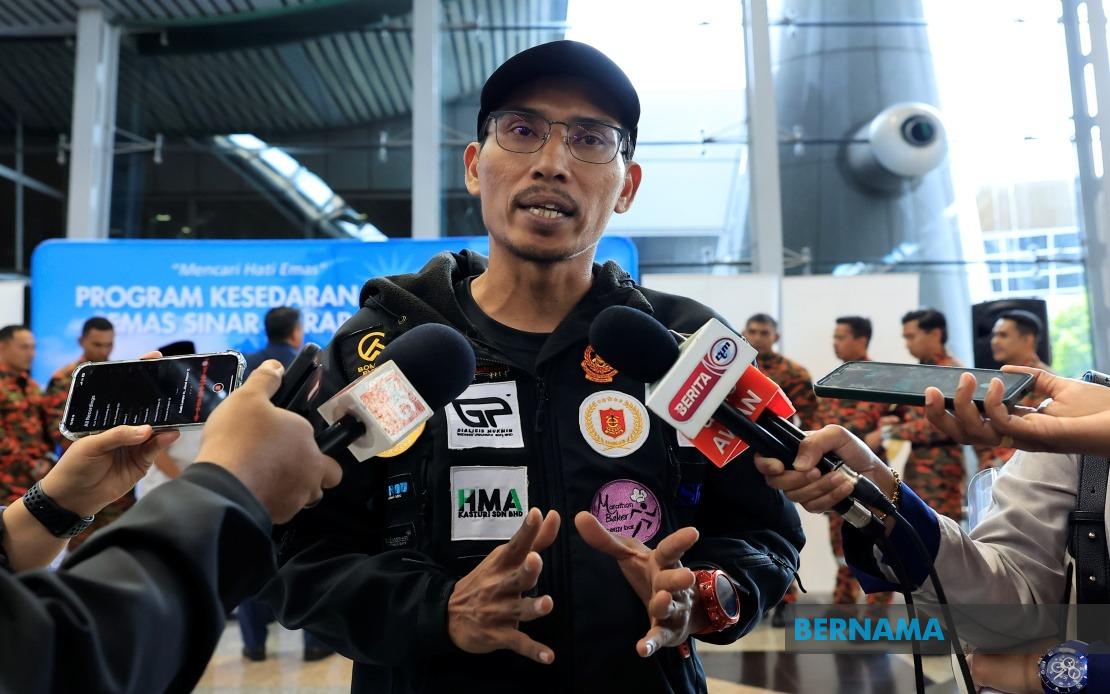
Mohd Saiful Munir Mohd Isa, the missing firefighter's brother, addressed reporters with a measured but determined tone, balancing realism with hope. He acknowledged that while the family continues to pray for positive outcomes, they have mentally prepared themselves for all possibilities. The brother, who himself serves as an operations officer at the Port Klang Fire and Rescue Station, explained that the family's resilience stems from understanding the circumstances surrounding the disaster rather than denial. His statement reflected both the emotional weight of uncertainty and the professional pragmatism that comes from working within Malaysia's emergency services sector.
The expedition that Mohd Fakhrul Munir Mohd Isa joined was not an unusual undertaking for the accomplished mountaineer, who is widely known within climbing circles by the nickname Loe. According to his brother, the 44-year-old has developed a deep connection with Nepal over the years, visiting the country frequently for climbing expeditions. Mohd Saiful Munir estimated that Loe makes between three to five trips to Nepal annually, suggesting that the region had become almost a second home for the adventurous firefighter. Beyond mountaineering, Loe is also an accomplished cyclist, indicating a broader commitment to outdoor pursuits and physically demanding activities.
Communication with Mohd Fakhrul Munir Mohd Isa ceased shortly after the group departed for their expedition toward Everest Base Camp. Mohd Saiful Munir recalled that the last time he spoke with his brother was approximately one week before the Nepal departure, a conversation that now carries poignant weight given the subsequent events. Based on the expedition's planned itinerary, the family believes the group was positioned in the valley area when the environmental catastrophe unfolded. This geographic assessment has become crucial in understanding how the disaster may have affected the expedition members and their ability to seek help or communicate their situation.
Two officers from the Malaysian Fire and Rescue Department are confirmed among those missing in the Nepal disaster. Beyond Mohd Fakhrul Munir Mohd Isa, the authorities have identified Mohd Sani Harul, who serves as deputy director of the JBPM's Planning and Research Division, as also uncontactable. Both men were part of a larger Malaysian contingent comprising ten individuals altogether, all of whom were bound for the iconic Everest Base Camp when the flash floods and subsequent landslides devastated the region. The involvement of two high-ranking JBPM officers underscores the tragedy's reach into Malaysia's institutional emergency response community.
The broader expedition group of Malaysians has become the focus of international concern and coordination as authorities in Nepal attempt to locate and account for all missing persons across the affected zones. The scale of the disaster in Rasuwa, with its combination of flash flooding and landslide activity, has created exceptionally challenging search and rescue conditions. The terrain itself, already treacherous in normal circumstances, has been rendered even more dangerous by the environmental chaos, complicating efforts to reach potential survivors and gather information about those trapped or stranded in remote areas.
Mohd Saiful Munir's characterization of his brother's situation as effectively being trapped and unable to establish contact reflects the harsh realities of disaster response in mountainous regions. Even with modern communication technology, such devices can be rendered inoperable through water damage, destruction of infrastructure, or simple geographic isolation. The family's decision to rely exclusively on official information from authorities demonstrates both patience and pragmatism, avoiding the speculative media narratives that often accompany such incidents. This measured approach provides an important contrast to sensationalized reporting while maintaining active engagement with the situation.
The incident highlights the vulnerabilities that adventurers and professional mountaineers face when pursuing their passions in remote international locations. While experienced climbers like Mohd Fakhrul Munir Mohd Isa possess extensive knowledge and training, natural disasters represent forces beyond individual preparation. The tragedy underscores the importance of international cooperation in disaster response, particularly when nationals of different countries are affected simultaneously. For Malaysia, the situation also raises broader questions about duty of care for citizens engaged in high-risk activities abroad and the coordination between national emergency services and international rescue operations.
The timing of the disaster in late August coincides with a period when monsoon activity and environmental conditions in the Himalayan region can become particularly unstable. Weather patterns during this season create elevated risks for both flooding and landslides, factors that experienced expedition planners typically account for in their scheduling. Nevertheless, even anticipated risks cannot always be fully mitigated when natural forces exceed historical parameters or when unexpected combinations of weather events occur. The disaster serves as a sobering reminder of the power of environmental forces and the limitations of human preparation in extreme environments.
For the Malaysian public and particularly for the community of mountaineers and outdoor enthusiasts, this incident carries significant emotional resonance. The disappearance of someone with Mohd Fakhrul Munir Mohd Isa's professional standing and personal passion represents not merely an individual tragedy but a loss touching Malaysia's broader adventure sports community. His dual role as both a dedicated firefighter and accomplished climber exemplified the potential for professional responsibility and personal passion to coexist, making his story particularly compelling for both the emergency services sector and the climbing fraternity. As search efforts continue and as authorities gather more information about the disaster's full scope, the question of whether the missing Malaysians can be found alive remains at the forefront of family hopes and national concern.

