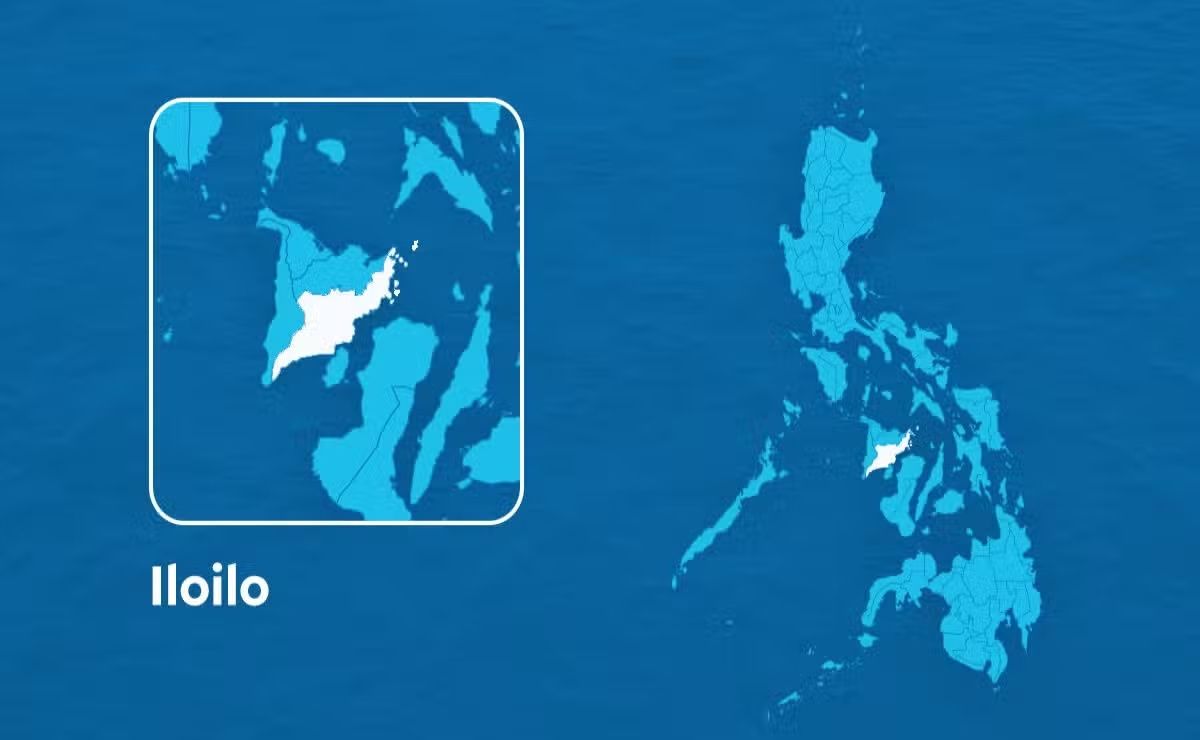
Rey Grabato II, an Iloilo-based businessman whose name recently appeared on the US Federal Bureau of Investigation's Most Wanted Fraudsters list, is confirmed to be in the Philippines, with his family making a public plea for measured understanding of his circumstances. The disclosure came from Mina Grabato, the town mayor of Iloilo and Rey II's father, who acknowledged his son's presence in the province on Friday but provided no additional details regarding his location or activities. The situation has drawn attention to the intersection of high-profile white-collar crime allegations and personal health crises affecting prominent Filipino business figures.
The FBI formally announced on 13 August that Rey Grabato II had been placed on its Most Wanted Fraudsters list, with charges encompassing conspiracy to commit securities fraud, securities fraud itself, conspiracy to commit wire fraud, wire fraud, and conspiracy to defraud the United States government with respect to taxation. These allegations represent a serious escalation in federal scrutiny of his business activities and financial dealings. The designation typically reserves high-profile cases that authorities believe warrant significant investigative resources and public attention, suggesting the complexity and magnitude of the alleged schemes.
However, the family's public response has centred on Rey II's recent severe stroke, which they say has substantially diminished his capacity to engage with legal proceedings. According to Christopher Rey Grabato, his younger brother and the family spokesperson, Rey II is experiencing significant partial paralysis alongside marked limitations in mobility, communication, and cognitive functioning. The medical situation presents a substantial complication for any legal process, as questions arise regarding his ability to comprehend charges, consult with legal counsel, and participate meaningfully in his own defence—issues that frequently surface in cases involving serious health emergencies.
The family has specifically noted that neither Rey II nor any authorised representatives acting on his behalf have received formal notice or summons from Philippine or United States authorities at this point. This technical distinction carries legal weight, as it underscores that while the FBI designation is public, actual extradition procedures or criminal prosecution have not yet commenced domestically in the Philippines. The family's statement suggests they may be preparing for extended legal proceedings and wish to establish a clear record of their engagement with the process from the earliest stages.
In their defence strategy, Rey Grabato's representatives have invoked characterisations of his role at National Realty Investment Advisors, the company central to the fraud allegations. Citing analysis from Barron's, the financial publication owned by Dow Jones & Company, the family emphasised that federal prosecutors themselves have described Rey II's leadership position at NRIA as merely "titular" in nature. This framing attempts to distinguish between nominal authority and actual operational control, suggesting that genuine decision-making power lay elsewhere within the organisation. Such arguments often feature prominently in white-collar defence strategies, particularly when establishing degrees of culpability among multiple executives.
The actual governance of NRIA, according to the family's narrative, rested with Thomas Nicholas Salzano, who has already been apprehended by federal authorities and faces his own charges. This revelation indicates that the federal investigation has progressed beyond identifying individual defendants and has apparently established an operational hierarchy within the company. Salzano's prior arrest and the focus on his role suggests he may hold significant evidentiary value, either as a cooperating witness or through documents and communications under his control that shed light on the broader scheme's structure and execution.
The case illuminates broader patterns in international financial crime investigations, where multiple jurisdictions become involved and personal circumstances complicate prosecutorial timelines. For Malaysian and Southeast Asian observers, the situation underscores the increasingly transnational nature of securities fraud and the willingness of American authorities to pursue allegations with international dimensions. NRIA's operations and investor base likely extended beyond the Philippines, potentially touching Malaysian investors or operating through regional financial channels that warrant attention from regulators across Southeast Asia.
The family's invocation of medical circumstances also raises questions about how jurisdictions balance humanitarian concerns against the demands of criminal investigation. Philippine authorities must navigate between international cooperation obligations and domestic legal protections for individuals with serious health conditions. Similarly, US prosecutors must weigh the strength of their case against the practical challenges of pursuing allegations against a defendant whose current medical status may impede participation in complex litigation.
Christopher Rey's public statements indicate the family intends to address the allegations through formal legal channels rather than in the court of public opinion, though their selective media engagement suggests they are simultaneously attempting to shape the narrative. This dual approach—promising cooperation while defending their brother's character and role—reflects the stakes involved when business figures face federal fraud allegations that carry potential imprisonment and financial penalties. The family's assertion that their immediate priority is Rey II's medical recovery and rehabilitation provides context for their muted response to the substantive charges, though it also necessarily limits their ability to mount a comprehensive public defence.
For the broader Philippine business community and investors who may have dealings with NRIA or similar advisory structures, this case represents a cautionary episode about due diligence and the potential reach of American securities law enforcement. Southeast Asian investors and financial institutions frequently engage with American-based investment advisories and participate in cross-border financial arrangements; understanding how regulatory agencies pursue fraud cases across borders becomes increasingly relevant. The case also demonstrates that high-profile designations on international most-wanted lists, while significant, do not necessarily translate into immediate apprehension or prosecution, particularly when individuals remain within their home countries and family circumstances introduce complications.

