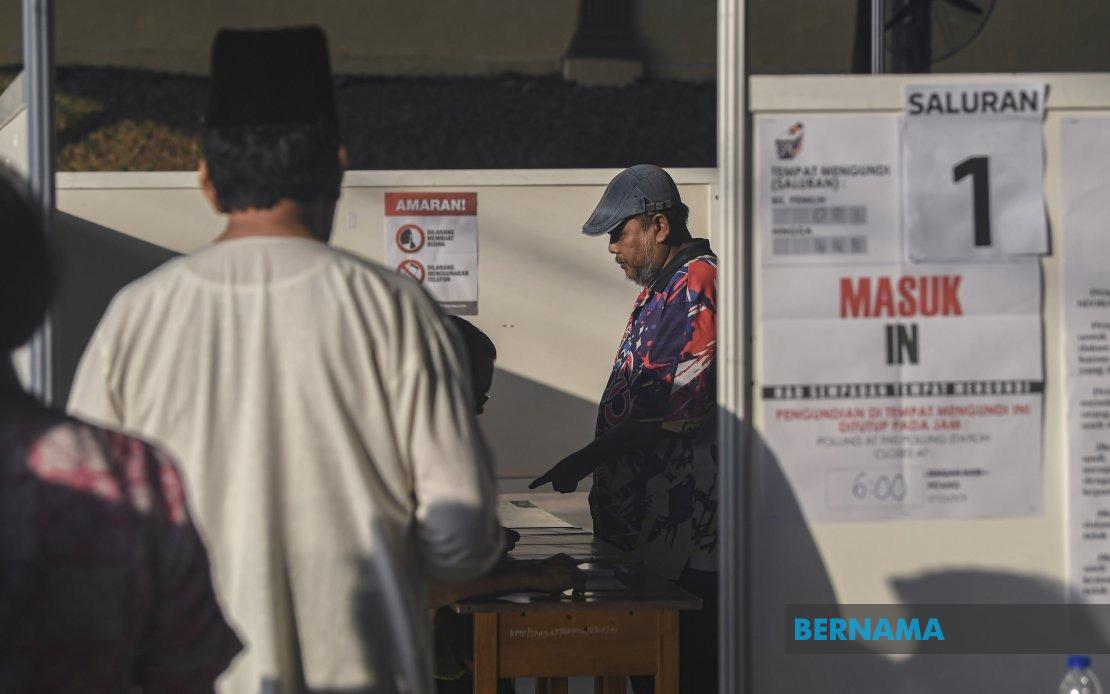
Federal ministers and deputy ministers participated in Johor's 16th state election on July 11, casting their ballots alongside millions of voters across the state in what represents a significant political moment for Malaysia's southern region. The voting exercise demonstrated broad engagement from the national leadership, with several high-ranking officials fulfilling their civic duties at polling stations throughout Johor Bahru and neighbouring constituencies.
Datak Seri Azalina Othman Said, who holds the position of Minister in the Prime Minister's Department responsible for law and institutional reform, was among the first federal representatives to vote, arriving at Sekolah Kebangsaan Bandar Penawar in Pengerang at 8.15 am. Her early participation underscored the government's commitment to demonstrating electoral participation across hierarchies of power and influence. Defence Minister Datuk Seri Mohamed Khaled Nordin cast his ballot slightly later at 8.30 am at Sekolah Kebangsaan Rinting 1 in Masai, reinforcing the military and security establishment's engagement with the democratic process.
The visibility of cabinet-level participation carried symbolic weight for the election's legitimacy and normalcy. Plantation and Commodities Minister Datuk Seri Dr Noraini Ahmad voted at 8.50 am at Sekolah Menengah Kebangsaan Dato' Onn in Batu Pahat, representing ministerial presence across different geographical zones within Johor. Deputy Works Minister Datuk Seri Dr Ahmad Maslan exercised his voting rights at Sekolah Kebangsaan Seri Bahagia in Benut at 8.40 am, whilst Deputy Communications Minister Teo Nie Ching arrived at Sekolah Jenis Kebangsaan Cina (SJKC) Kulai Besar at 9.30 am to cast her ballot, demonstrating diverse representation within the federal administration.
The election infrastructure proved substantial and well-coordinated across the state. Polling day witnessed the simultaneous opening of 1,076 polling centres containing 4,889 individual polling streams at 8 am, creating a vast network designed to accommodate Johor's 2.7 million registered voters. This extensive logistical framework reflects the scale of electoral administration required to conduct state-level elections in one of Malaysia's most populous states, where voter participation directly shapes regional governance and policy direction.
Johor holds particular economic and strategic importance within Malaysia's federal structure. The state contributes significantly to the nation's economic output through manufacturing, trade, and resource extraction, whilst also serving as a critical gateway connecting Malaysia to Singapore. Electoral outcomes here influence not only state-level policy on infrastructure, education, and economic development but also carry implications for the broader political landscape and stability of the national coalition government.
The 14-day campaign period preceding the vote had concluded at midnight the previous evening, marking the transition from intensive political advocacy to the actual moment of voter choice. This culmination of campaigning activity reflected the competitive nature of Johor politics, where multiple parties and coalitions mobilised supporters across urban and rural constituencies. The campaign period represents a crucial phase during which voters encounter policy proposals, candidate profiles, and competing visions for the state's future direction.
Voting continued throughout the day until 6 pm, providing an extended window for all 2.7 million registered voters to participate. The prolonged polling period accommodates various voter demographics and work schedules, from early risers and shift workers who vote in the morning to those concluding their day who prefer evening voting. This accessibility mechanism reflects established democratic practices aimed at maximising participation and ensuring that electoral outcomes represent the broadest possible cross-section of the eligible population.
The participation of federal ministers and deputies in the election extended beyond mere symbolic participation. These officials represent constituencies within Johor and maintain political stakes in the state's governance outcomes. Their public engagement with the voting process, documented through media coverage and official announcements, reinforces messages about the importance of electoral participation and the legitimacy of democratic processes to broader Malaysian audiences. Such visibility from national leadership can influence public perception of election significance and encourages voter turnout among constituencies who look to their leaders for cues about political engagement.
Johor elections carry weight within Malaysia's broader political economy. The state government controls substantial budgetary resources, development permits, and policy decisions affecting millions of residents and countless business operations. Control of the state apparatus translates into tangible advantages for governing coalitions, including appointment powers, infrastructure development priorities, and the ability to shape regulatory environments that affect commercial interests. These material dimensions mean that political competition in Johor typically involves significant mobilisation of resources and organisational capacity by competing parties.
The election reflects Malaysia's established constitutional framework for state-level governance, where each state maintains a legislative assembly and executive responsible for matters including land, local government, and certain aspects of economic development. Johor's elections thus represent a regular, institutionalised mechanism through which voters exercise choice over their state administration, reinforcing democratic legitimacy within Malaysia's federal system. The orderly conduct of voting demonstrated the maturity of electoral administration in the country, despite ongoing debates about campaign financing, media access, and other aspects of electoral conduct.

