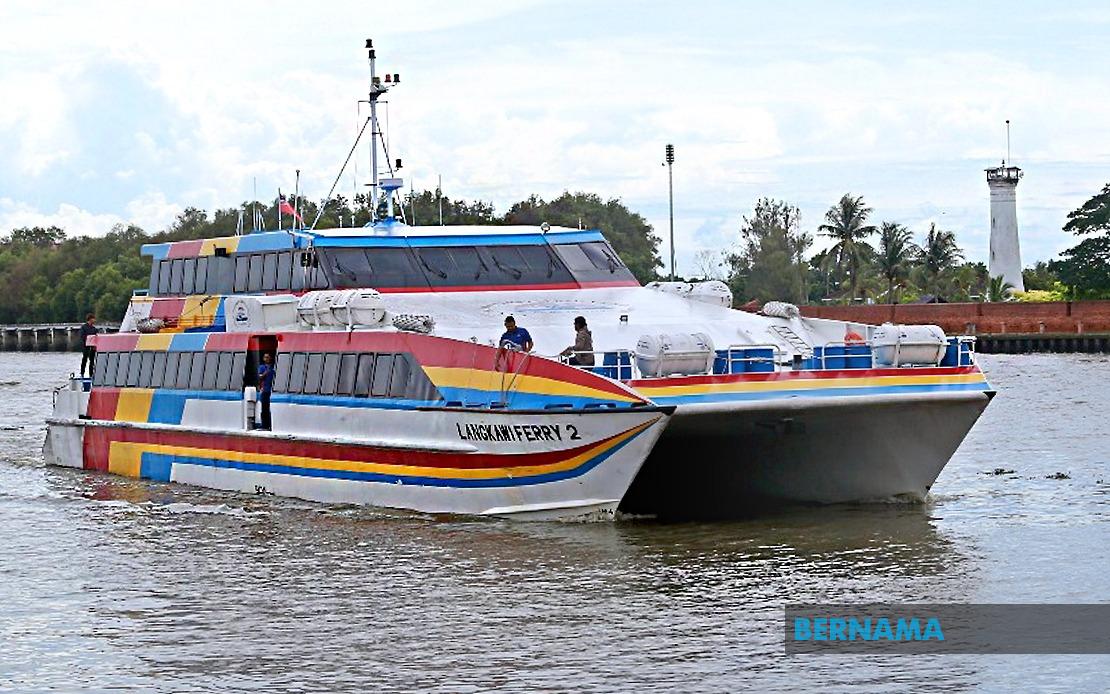
Langkawi's ferry operators have made an urgent appeal to Putrajaya to accelerate dredging operations in the critical shipping corridors connecting the island to Kuala Kedah and Kuala Perlis, warning that deepening silt deposits pose mounting risks to maritime safety and service reliability. The industry warning comes as the region enters its busiest travel periods and faces the prospect of operational constraints that could undermine both tourism operations and passenger convenience during high-demand seasons.
According to Ferry Line Ventures Sdn Bhd's operations manager, Lieutenant Commander (Retired) Norhafiz Abdul Wahid, the progressive shallowing of these navigation routes creates escalating challenges for ferry operations. When water depths diminish due to accumulated sediment, larger vessels must navigate with reduced clearance, heightening the possibility of groundings or collisions and compromising the safety margins that maritime operations require. The situation becomes particularly acute when passenger ferries operate at full capacity during holiday peaks and tourism surges.
The implications extend beyond immediate safety considerations. Shallow channels force ferry operators to reduce vessel speeds, alter routing, or in extreme circumstances cancel or delay sailings. These disruptions ripple through the tourism supply chain, affecting hotel bookings, attraction schedules, and the overall visitor experience. Norhafiz emphasised that ferry services form the transportation backbone for Langkawi tourism, with operational records demonstrating capacity to move up to 25,000 tourists daily during peak season—a figure that underscores the sector's critical importance to Malaysia's tourism revenue and employment.
Without prompt intervention through systematic dredging, the situation threatens to worsen precisely when demand peaks. The approaching Langkawi International Maritime and Aerospace Exhibition (LIMA) next year represents a particularly sensitive window, as international delegations and attendees will depend on reliable ferry connectivity. Any operational disruptions during such high-profile events could damage Malaysia's reputation as a dependable tourism and business destination whilst deterring international visitors and investors.
Effective management of these shipping channels requires more than one-off interventions. Norhafiz stressed that comprehensive and periodically scheduled dredging operations are essential to maintain consistent navigability and safety standards. Such maintenance dredging, conducted at regular intervals, prevents the accumulation of sediment that causes the current crisis. The federal government must treat this not as an emergency response but as ongoing infrastructure maintenance necessary for sustaining tourism competitiveness and maritime commerce in the region.
During the current school holiday season and National Day festivities spanning late August through early September, ferry operators face their most demanding operational test. The company has scheduled 176 regular trips and an additional 66 extra sailings to manage the anticipated passenger surge, with projections suggesting approximately 90,000 travellers will utilise the two main routes—Langkawi-Kuala Perlis and Langkawi-Kuala Kedah—during this concentrated period. This volume represents both an operational opportunity and a vulnerability, as current channel conditions could constrain capacity precisely when it is most needed.
Ticket sales data reveals strong demand despite the current maritime challenges. To date, 86,978 tickets have sold through online platforms, service counters, and reservation systems, suggesting that passenger confidence remains resilient. However, operators recognise that continued cancellations or delays would quickly erode this demand and damage consumer trust in ferry reliability. Norhafiz advised intending travellers to purchase tickets in advance via the Cuti-Cuti Langkawi mobile application, a strategy that helps operators forecast demand and manage capacity whilst reducing queuing and last-minute disruptions.
The ferry sector's readiness during this holiday period depends significantly on channel conditions. Operators are implementing enhanced operational protocols to maintain service standards, yet their ability to sustain performance ultimately depends on whether water depths permit safe vessel operation. The current situation represents a preventable constraint on an industry that generates substantial economic value for northern Malaysian states and the national tourism sector.
Beyond the immediate holiday season challenge, the dredging issue reflects broader questions about maritime infrastructure maintenance in Malaysia. Coastal communities and maritime industries throughout the country depend on navigable channels, yet sediment accumulation is a universal feature of tropical coastal environments. Systematic, budget-supported maintenance dredging programmes constitute essential infrastructure investment comparable in importance to maintaining highways or airport runways. Without such programmes, competitive disadvantages accumulate, operational costs rise, and service reliability deteriorates.
The operators' appeal carries particular weight given the sector's economic contributions. Tourism generates substantial foreign exchange revenue and employment across Langkawi and the northern corridor. Ferry services enable this entire value chain by providing the essential connectivity that moves tourists from mainland departure points to the island destination. When ferry reliability declines, the entire tourism ecosystem—hotels, restaurants, attractions, retail, and entertainment venues—experiences reduced patronage and revenue.
Stakeholders anticipate that the federal government will respond to this appeal by prioritising dredging work schedules and allocating necessary budgetary resources. The timing is critical, as delaying action until after the holiday season loses the opportunity to demonstrate operational reliability during peak demand, potentially resulting in cancelled bookings and revenue losses that extend through the tourism calendar. Conversely, rapid implementation would signal commitment to maintaining Malaysia's tourism infrastructure and supporting the communities dependent on maritime connectivity.

