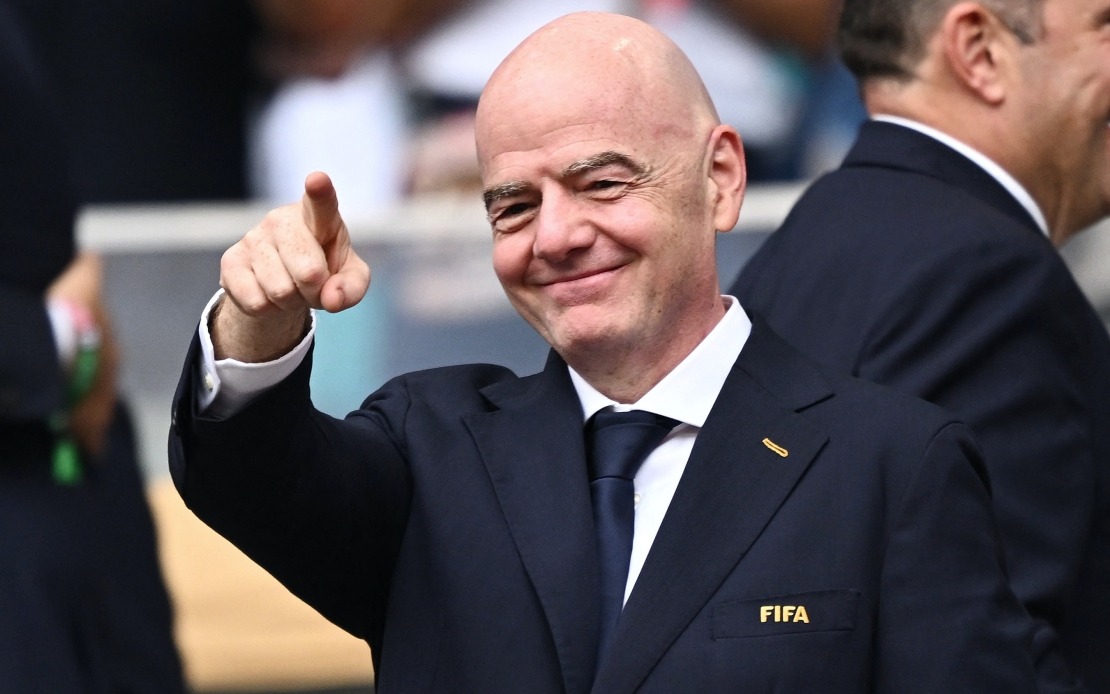
European football's governing body UEFA has delivered a scathing rebuke of FIFA's leadership following the withdrawal of a contentious proposal to sell ownership stakes in major competitions, including the FIFA World Cup, to private investors. The statement from Istanbul on Saturday signals deepening rifts within world football's institutional structure and raises serious questions about the direction of the sport's global governance. UEFA's position reflects broader discontent that has crystallised across continental confederations, national federations, and football's grassroots stakeholders following months of controversy surrounding the privatisation scheme.
The European confederation stated unequivocally that FIFA President Gianni Infantino and his leadership team have forfeited not merely UEFA's support but that of numerous other football organisations worldwide. This represents a significant erosion of institutional trust at the highest levels of the sport. The scope of opposition to the proposed asset sale extended well beyond Europe, with UEFA noting that member associations across multiple continents and confederations of varying sizes had unanimously rejected the initiative. Such coordinated resistance from disparate football bodies underscores the fundamental concerns that the proposal had triggered across the global football ecosystem.
The criticism levelled at FIFA extends beyond the specific privatisation scheme itself. UEFA emphasised that the proposal's handling exemplified a troubling pattern of decision-making within FIFA's administration. The process lacked transparency, proceeded on compressed timelines, and was developed by unidentified officials operating beyond public scrutiny. For many observers, this approach contradicted fundamental principles of democratic governance that should underpin international sports organisations. The methodology raised questions about accountability and whether FIFA's structures adequately represent the interests of the broader football community that the organisation purports to serve.
UEFA's statement explicitly acknowledged the efforts of diverse stakeholders in mobilising opposition to the privatisation plans. The organisation credited fans, professional leagues, clubs, players, national football associations, confederations, political leaders, and media commentators with contributing to the proposal's withdrawal. This enumeration of supporters reflects how the controversial initiative had mobilised unusually broad coalitions of resistance, spanning professional and amateur football, governments, and civil society. Such consensus against a FIFA proposal is relatively uncommon and underscores the severity of concerns the privatisation scheme had generated.
Particular emphasis was placed on Infantino's perceived failure to honour commitments made during his 2016 election campaign. When seeking the FIFA presidency, Infantino had pledged greater transparency in the organisation's operations and a commitment to deploying FIFA's substantial financial resources toward football's grassroots development globally. UEFA's assessment suggests these commitments have not materialised, with the privatisation proposal representing a dramatic contradiction of those stated principles. The gap between campaign promises and subsequent governance has evidently contributed to the erosion of confidence that UEFA now publicly acknowledges.
The response from Europe's football body indicates determination to examine how such a proposal could emerge within FIFA's decision-making structures. UEFA signalled intention to collaborate with its member associations and other continental confederations to investigate the proposal's origins and to develop safeguards preventing similar initiatives in future. This investigative commitment reflects the seriousness with which UEFA views the governance failures the privatisation scheme exposed. For Malaysian and Southeast Asian observers, this institutional tension carries implications for how regional confederations navigate relationships with FIFA and advocate for their interests within global football governance.
While characterising the proposal's withdrawal as a victory for the broader football community, UEFA cautioned that this development represented merely a beginning rather than resolution. The statement emphasised that the genuine challenge facing FIFA involves reconstructing trust that the leadership's actions have damaged. This distinction proves significant: defeating a specific proposal differs fundamentally from addressing underlying governance deficiencies that permitted its conception and advancement. UEFA's framing suggests the organisation views the privatisation scheme as symptomatic of deeper structural problems requiring substantial institutional reform.
The public nature of UEFA's criticism carries particular weight given that organisation's status as world football's most economically powerful continental confederation. European football generates enormous revenues and commands substantial influence within FIFA's decision-making structures. UEFA's willingness to issue such pointed condemnation suggests that concerns about FIFA's direction extend beyond rhetorical disagreements to substantive conflicts over the organisation's future path. For confederations in other regions, including Asia, UEFA's stance may embolden similar calls for governance reform and greater accountability within FIFA's structures.
The aftermath of the privatisation proposal withdrawal illuminates tensions between FIFA's administration and the football organisations it ostensibly represents. The proposal had reportedly emerged from internal FIFA discussions without extensive consultation with continental confederations or national associations, raising fundamental questions about decision-making processes within the world governing body. Going forward, stronger mechanisms requiring broader stakeholder consultation before advancing major institutional changes appear increasingly necessary. UEFA's criticism suggests that FIFA cannot proceed with substantive governance matters absent meaningful engagement with the confederations and associations that constitute its constituent membership.
For Southeast Asian football's future, this institutional conflict carries meaningful implications. Decisions made within FIFA's governance structures affect tournament scheduling, revenue distribution, qualification pathways, and development investments affecting regional football organisations. The privatisation proposal raised concerns that private investment in World Cup competitions might alter those competitions' accessibility or focus toward profit maximisation rather than sport's development. Southeast Asian confederations, through AFC, have interests in ensuring FIFA's governance prioritises football's universal development and accessibility across regions of varying economic capacity.
The statement from Istanbul also reflects shifting power dynamics within international sports governance more broadly. Increasingly, continental confederations and national associations demonstrate willingness to publicly contest decisions emanating from international sports organisations when those decisions conflict with perceived membership interests. This trend extends beyond football and reflects broader developments in global governance where traditional hierarchies face greater scrutiny and accountability expectations. For Malaysian observers engaged with international sporting matters, UEFA's stance illustrates how effective resistance to controversial governance proposals requires coordinated mobilisation across multiple constituencies.
Moving forward, FIFA faces substantive challenges in restoring institutional credibility that the privatisation proposal damaged. UEFA's statement indicates that simply withdrawing controversial proposals proves insufficient to address underlying governance concerns. Rebuilding confidence will require demonstrable commitment to transparent decision-making, meaningful stakeholder consultation, and alignment between stated principles and actual practices. The coming months will reveal whether FIFA's leadership demonstrates willingness to undertake reforms commensurate with the concerns UEFA and other organisations have articulated, or whether the institutional tensions now publicly visible will continue generating conflict within global football governance structures.

