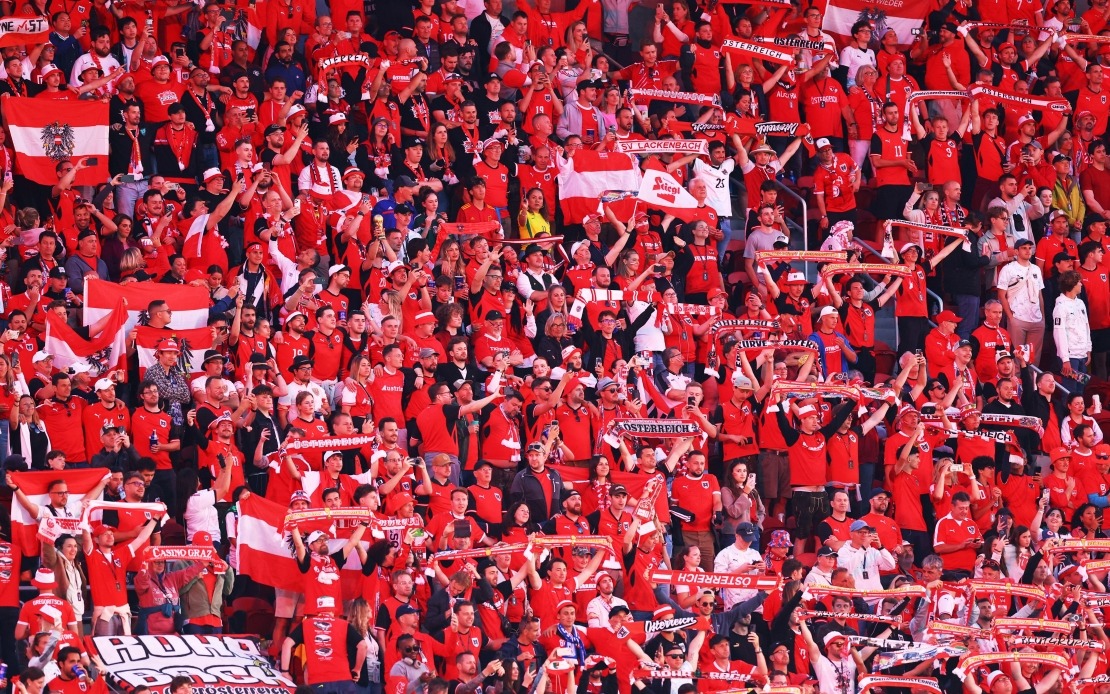
Football's premier competition has broken numerous attendance milestones during its historic expansion to 48 teams, according to FIFA's official assessment of the group stage across the United States, Canada, and Mexico. The tournament delivered a cumulative attendance of 4.644549 million spectators across 72 matches, representing a substantial increase over the previous benchmark set by the 1994 World Cup in the United States, which attracted 3.587538 million fans—a difference exceeding one million viewers.
The expanded format fundamentally altered the scale of the tournament, with organisers significantly increasing both the number of participating nations and total matches. The 1994 edition featured 24 teams competing in 52 matches, making it half the size of the current competition. This structural change means direct comparisons between the two events reveal important nuances about fan engagement patterns across different tournament formats.
Despite the substantial increase in total attendance figures, the average crowd per match tells a different story about spectator demand. The 1994 World Cup averaged 68,991 fans per game, whereas the current edition recorded an average attendance of 64,508 spectators per fixture. This apparent paradox reflects the broader challenge of maintaining consistent stadium capacity across a dramatically expanded schedule, where additional matches inevitably include fixtures with lower commercial appeal or geographic accessibility concerns for travelling supporters.
The quality of football on display this tournament reached remarkable heights, with attacking play generating unprecedented scoring records. Across all 72 group-stage matches, teams combined to score 215 goals—an exceptional tally that translates to an average of three goals per game. This outpaced the 2022 tournament, which saw 32 teams produce 179 goals across 64 matches at a rate of 2.8 goals per game, demonstrating that the expanded format has coincided with more prolific offensive performances and fewer defensive stalemates.
The tournament mobilised an extraordinary roster of international talent, with 48 nations collectively fielding 999 players before a historic milestone was reached when Canada's captain Alphonso Davies entered the field during his nation's knockout-round victory against South Africa. His appearance as a substitute marked the symbolic arrival of the 1,000th distinct player to feature in the competition, underlining the breadth of professional football talent now represented in the expanded World Cup format.
Stadium concessions revealed the massive scale of consumption accompanying the extended tournament schedule. Across all venues, vendors sold approximately 2.8 million beers and nearly one million bottles of water, alongside 300,000 hot dogs—figures that underscore the commercial dimensions of modern football alongside the sport's core appeal. These numbers reflect not only the duration and magnitude of the event but also the spending patterns and preferences of supporters gathered across multiple venues and time zones.
Beyond the traditional stadium experience, the three host nations established official fan gathering spaces that attracted their own substantial audiences. Fan festivals throughout the United States, Canada, and Mexico drew over 5.5 million visitors who collectively consumed more than 2 million alcoholic beverages and nearly 2 million soft drinks. These figures demonstrate that the World Cup's cultural footprint extends far beyond match venues, creating distributed entertainment hubs that broaden public participation and generate significant hospitality revenue across host communities.
For Malaysian observers and Southeast Asian football enthusiasts, these records carry particular relevance regarding future tournament planning and the strategic value of expanded formats. Asia has previously hosted expanded competitions, and the data from this World Cup provides concrete benchmarks for understanding how increasing team numbers, match quantities, and geographic distribution affects attendance patterns, consumption habits, and overall economic impact. The tension between higher total attendance and lower per-match averages suggests that tournament designers must carefully balance expansion with venue quality and match significance to maintain supporter interest.
The expansion from 32 to 48 teams represents a fundamental reimagining of World Cup structure, driven partly by inclusivity goals and partly by commercial considerations. The consumption statistics—particularly the disparity between stadium spending and fan festival activity—reveal how modern World Cups function as multi-venue entertainment ecosystems rather than purely stadium-focused events. For developing football nations seeking World Cup hosting rights or attempting to understand the tournament's infrastructure requirements, these data points offer practical guidance on facilities, staffing, and revenue forecasting.
The milestone of reaching 1,000 participating players across a single World Cup edition underscores how expanded formats democratise access to football's greatest stage. While average stadium attendance declined slightly compared to 1994, the aggregate numbers demonstrate robust global appetite for World Cup football, with over 10 million people engaging through stadiums and fan festivals combined. This distributed engagement pattern may represent the future of large-scale international sporting events, where multiple simultaneous venues and virtual participation options create consumption patterns fundamentally different from single-stadium tournaments of previous decades.

