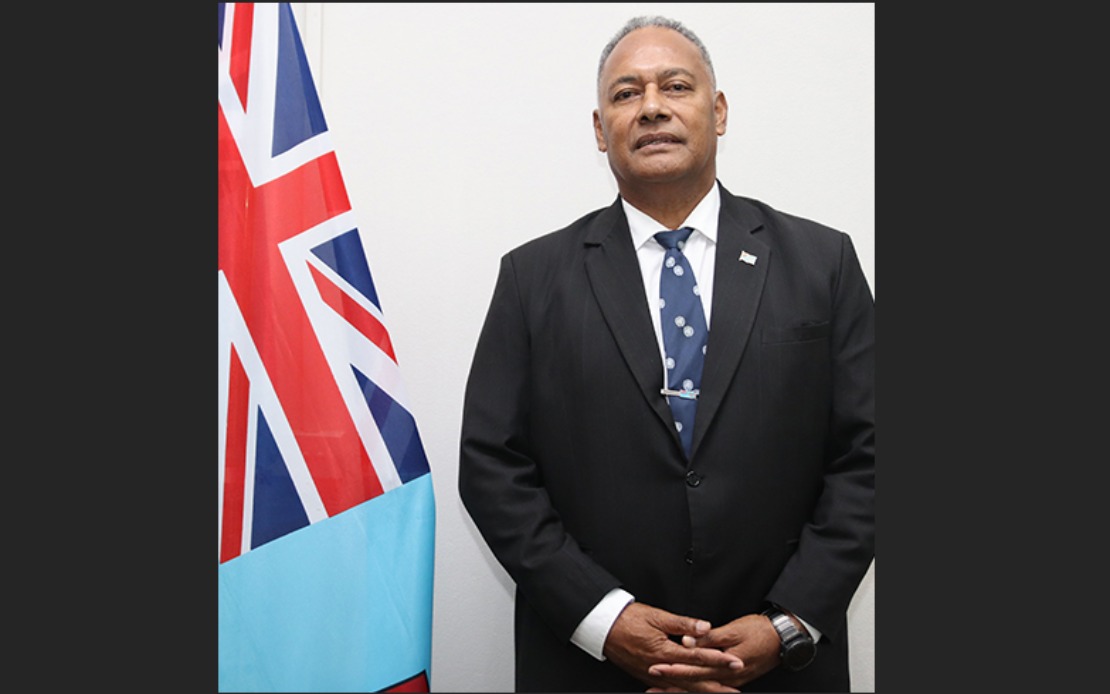
Fijian Foreign and External Trade Minister Sakiasi Raisevu Ditoka is set to arrive in Malaysia this weekend for a four-day working visit aimed at elevating bilateral relations between the two nations. The visit, which runs from Sunday through Wednesday, signals renewed commitment from Fiji to deepen its engagement with Malaysia across multiple sectors, reflecting the strategic importance both countries place on their relationship.
During his stay, Ditoka will hold formal discussions with Malaysia's Foreign Minister Datuk Seri Mohamad Hasan, focusing on expanding areas of mutual interest and cooperation. The agenda spans several critical domains including trade enhancement, investment promotion, human resource development programmes, forestry initiatives, renewable energy projects, and cultural exchange. These thematic areas reflect the evolving priorities of both nations as they navigate post-pandemic economic recovery and position themselves within broader regional frameworks.
Beyond the bilateral agenda, the ministers' discussions will venture into the multilateral realm. Both officials intend to examine pressing regional and international issues, recognising that Malaysia's experience as a major Southeast Asian economy can provide valuable perspective for Fiji's engagement with other Pacific Island nations. This exchange represents an opportunity for Malaysia to strengthen its diplomatic footprint in the Pacific region, an area increasingly important for regional balance and trade diversification.
Parallel to the diplomatic track, Malaysia's Investment, Trade, and Industry Minister Datuk Seri Johari Abdul Ghani will meet separately with Ditoka to map out concrete economic opportunities. This focused discussion aims to identify joint ventures and investment corridors that could generate mutual prosperity, moving negotiations from policy declarations toward practical commercial frameworks that benefit businesses in both countries.
A particularly significant element of the visit involves ceremonial activities that underscore the institutional strengthening of bilateral ties. Ditoka will formally reopen the High Commission of the Republic of Fiji in Kuala Lumpur, a facility that represents the diplomatic presence and official representation of the Fijian government in Malaysia. Simultaneously, the establishment of the Malaysia-Fiji Business Council marks an important institutional innovation, creating a dedicated platform for private sector engagement and private-public dialogue. Such councils typically facilitate networking, identify collaboration opportunities, and streamline business-to-business connections that governments can support through policy frameworks.
The bilateral trade relationship between Malaysia and Fiji, while modest in absolute terms, carries strategic significance. In 2025, total bilateral trade reached RM880.01 million, equivalent to approximately US$206.2 million. Malaysia maintains a substantial trade surplus, with exports totalling RM867.92 million against imports of just RM12.09 million from Fiji. This imbalance suggests considerable scope for Fiji to diversify its export portfolio and identify niche products or services that could find markets in Malaysia or through Malaysian trading networks to other destinations.
Malaysia's export strength to Fiji reflects the quality and competitiveness of Malaysian manufactured goods, particularly in sectors ranging from industrial products to consumer items. However, the limited flow of Fijian goods into Malaysia indicates untapped potential. Fiji possesses natural resources, agricultural products, and potential services that could be developed with Malaysian investment and expertise. Conversations during this visit will likely explore how Malaysian businesses might support value-added processing of Fijian primary products or invest in service sectors where Malaysia has demonstrated capability.
The timing of Ditoka's visit carries additional significance within regional dynamics. The Pacific Island nations have become increasingly important players in global geopolitics, with major powers competing for influence and access to resources. Malaysia's proactive engagement with Fiji demonstrates a deliberate strategy to maintain influence in the Pacific and prevent geopolitical competition from marginalising ASEAN nations in these critical discussions. By strengthening ties with individual Pacific Island countries, Malaysia positions itself as a reliable economic partner distinct from larger global powers with more transactional approaches.
Renewable energy constitutes a particularly promising area for cooperation. Both Malaysia and Fiji face pressure to transition toward cleaner energy systems to meet climate commitments and enhance energy security. Malaysia's established renewable energy sector, including solar and biomass expertise, could support Fiji's development of sustainable infrastructure. Conversely, Fiji's tropical climate and abundant natural resources present opportunities for Malaysian clean energy companies to expand operations into new markets while supporting the Pacific nation's sustainability goals.
The reopening of Fiji's High Commission after apparent closure or downtime suggests renewed political will from both governments to maintain constant diplomatic channels. A permanent high commission facilitates not merely ceremonial functions but essential consular services, visa processing, cultural programming, and political coordination that strengthen people-to-people connections alongside governmental relations. The establishment of the Business Council complements this diplomatic infrastructure by creating spaces where private sector representatives can organise without requiring direct governmental facilitation.
Looking forward, this visit represents a potential inflection point in Malaysia-Fiji relations. Successful outcomes from ministerial discussions and council establishment could catalyse increased bilateral trade volumes, attract Malaysian investors to Fiji's developing sectors, and create employment opportunities in both nations. For Malaysia, deepening Pacific engagement serves broader foreign policy objectives, including positioning the nation as a bridge between Asian and Pacific economies and diversifying Malaysia's economic partnerships.
The cultural and capacity-building dimensions of the planned cooperation should not be overlooked. Educational exchanges, technical training programmes, and cultural festivals strengthen societal bonds that endure beyond political cycles. Malaysian universities and vocational institutions could welcome Fijian students, while Malaysian technical experts might share knowledge in areas where Malaysia has achieved expertise, from palm oil sustainable management to Islamic finance architecture.
As both nations prepare for substantive negotiations across these multiple fronts, the visit underscores a wider trend of Southeast Asian countries expanding their Pacific engagement. For Malaysian readers and businesses, the outcomes of this visit could create opportunities for companies seeking growth markets or diversification, particularly in sectors aligned with the identified cooperation priorities. The successful execution of this diplomatic mission could herald a new era of more intensive Malaysia-Fiji engagement, beneficial for both economies and their citizens.

