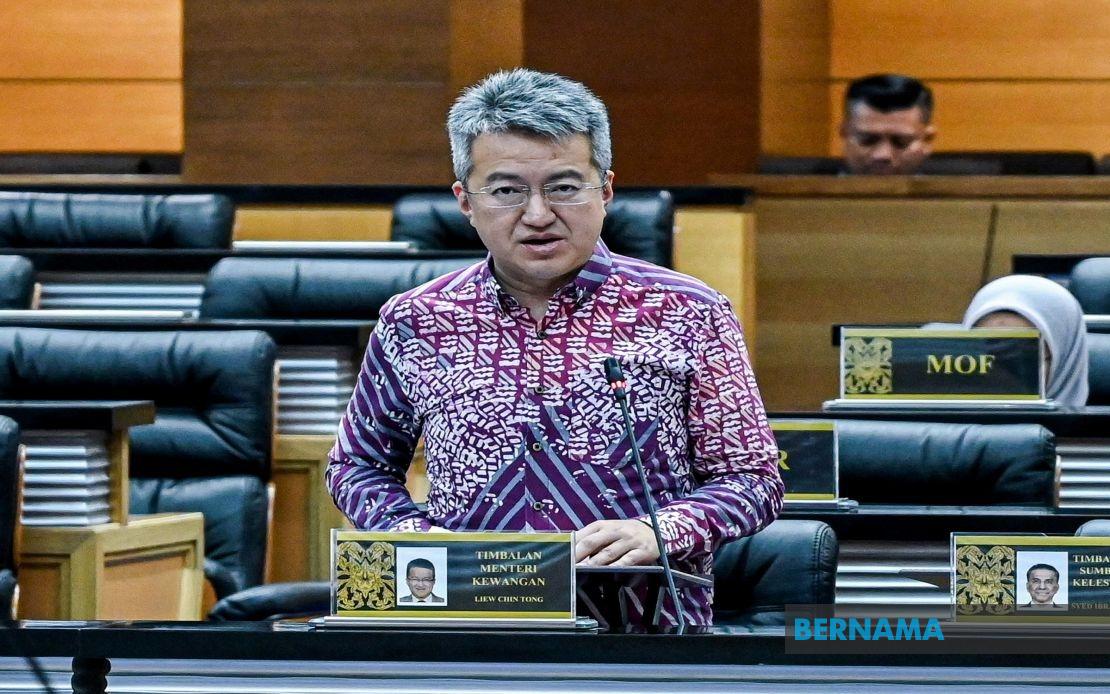
The Malaysian government is taking a closer look at exempting elderly care centres from the Sales and Service Tax, with Deputy Finance Minister Liew Chin Tong confirming that the Ministry of Finance and the Ministry of Women, Family and Community Development are jointly studying the proposal. The examination comes as policymakers grapple with the tension between revenue collection and protecting vulnerable segments of the population from increased financial pressure.
Liew outlined that the joint study will involve a detailed classification of care facilities based on the services they provide, distinguishing between those offering basic care and those delivering premium packages. This granular approach reflects the government's recognition that a blanket policy might not suit the diversity of the elderly care sector, which ranges from modest community-run facilities to well-resourced private institutions. The categorisation exercise aims to ensure that any exemption, if implemented, targets those most in need rather than subsidising premium services.
The eight per cent SST on elderly care has emerged as a significant concern for Malaysian families already contending with rising costs across healthcare, housing, and utilities. Parliamentarian Lee Chuan How raised the issue in the Dewan Rakyat, noting that typical monthly fees at registered care centres hover around RM2,500, and adding the service tax translates into substantial annual expenses for middle and lower-income households. For many Malaysians, particularly those on fixed incomes, this additional levy can be the difference between accessing professional elderly care and managing family members entirely at home.
Liew emphasised that the government is keen to avoid policies that inadvertently worsen living standards for those already stretched financially. The concern reflects broader government acknowledgment that the current cost-of-living climate requires sensitive policy calibration, particularly when dealing with essential services for elderly citizens. By subjecting the proposal to further examination, the administration signals that decisions affecting vulnerable groups warrant deliberate deliberation rather than hasty implementation.
Crucially, Liew committed to conducting on-site visits to elderly care centres alongside KPWKM officials to gather first-hand insight into operational challenges and financial pressures facing care facility managers. These visits will also include structured engagement sessions with operators, creating a channel for direct communication about the practical impact of SST on sustainability and service delivery. Such field-based inquiry is essential for understanding whether the tax burden is being absorbed by operators, passed to families, or compromising care standards.
The government's approach suggests recognition that elderly care is not merely a private commercial matter but carries public health and social dimensions. Malaysia's ageing population has intensified focus on accessibility and quality of long-term care services. By investigating the SST's effects on this sector, policymakers are tackling a question with implications for how the nation manages demographic change and ensures dignity in elderly years. The outcome could influence whether Malaysia's care infrastructure remains affordable and sufficiently widespread.
Liew's openness to incorporating stakeholder feedback before finalising recommendations indicates that the study will be consultative rather than predetermined. Care centre operators, families, social welfare organisations, and other interested parties will have opportunities to contribute evidence and arguments. This inclusive process may strengthen the eventual policy recommendation by incorporating diverse perspectives and grounding any exemption proposal in comprehensive evidence.
The timing of this examination is significant given broader fiscal pressures on government revenues and ongoing debates about SST's appropriate scope. The Finance Ministry must balance compassion for vulnerable groups against the need to sustain revenue for public services. An exemption for elderly care would represent a deliberate policy choice to prioritise affordability in a specific sector, carrying precedent implications for other essential services facing similar SST burdens.
Meanwhile, the parliamentary session during which this matter was raised saw 63 motions tabled under Standing Order 17 across 16 days, demonstrating active legislative scrutiny of government policy across multiple sectors. The Special Chamber session provided forums for both government backbenchers and opposition members to highlight concerns and seek ministerial responses, reflecting institutional mechanisms for raising constituency-specific issues. Dewan Rakyat Deputy Speaker Datuk Dr Ramli Mohd Nor noted that 18 ministries engaged in these debates, underscoring the breadth of policy areas under parliamentary examination.
For Malaysian families currently navigating elderly care decisions, the outcome of this study carries direct relevance. An SST exemption could reduce monthly expenditures substantially, while maintaining the tax could further constrain families' choices about professional versus home-based care. The government's commitment to thorough investigation suggests that any decision will reflect careful consideration of competing interests and genuine effort to craft balanced policy. The coming weeks and months will determine whether this inquiry results in meaningful relief for those seeking quality care for elderly relatives.

