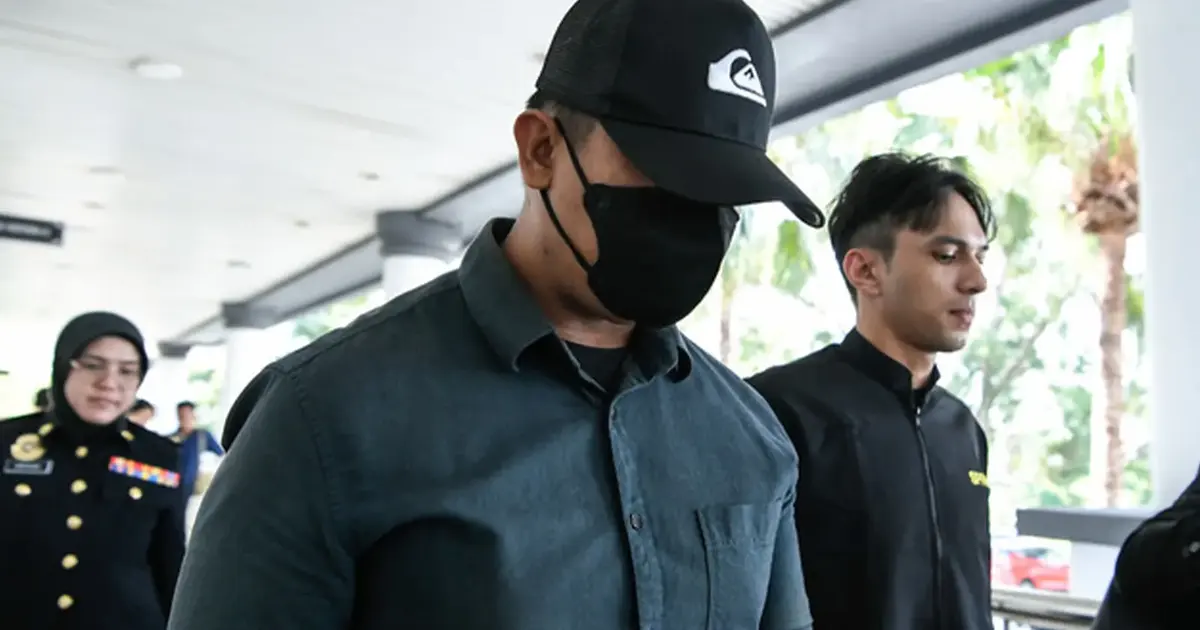
A fire and rescue superintendent faces bribery charges following allegations that he accepted cash payments totalling RM11,500 in exchange for issuing official licensing support documentation to business owners. Johari Bar Azwar stands accused of exploiting his position within the fire and rescue department to solicit and accept inducements from entrepreneurs seeking regulatory endorsements for their operations.
The alleged misconduct spanned a period of more than one year, with the first reported payment of RM1,500 occurring in 2024, followed by a substantially larger sum of RM10,000 in the previous year. This timeline suggests a pattern of systematic corruption rather than an isolated incident, raising concerns about the integrity of licensing processes that business owners must navigate when seeking official clearance from the fire and rescue authorities.
According to the charges, Johari Bar Azwar allegedly leveraged his official capacity to demand and collect these payments as a condition for providing the necessary support letters required by businesses. Such licensing letters typically serve as critical documentation demonstrating compliance with fire safety regulations, making them essential for companies seeking to operate legally or obtain other regulatory approvals. By allegedly conditioning the issuance of these letters on financial payments, the superintendent would have created an unlawful gate-keeping mechanism that undermines the transparency and fairness of Malaysia's regulatory framework.
The case underscores broader vulnerabilities within government licensing and approval processes, particularly where individual officials exercise significant discretionary power over business access to essential documentation. For Malaysian entrepreneurs, especially small and medium enterprises with limited resources, such corrupt practices represent a hidden compliance cost that distorts fair competition and forces legitimate businesses to either pay illegal fees or seek alternative, possibly unregulated solutions to operational challenges.
This development arrives amid increased scrutiny of corruption in public agencies responsible for safety and compliance. The fire and rescue department occupies a critical role in protecting public safety, and breaches of integrity at this level carry implications beyond simple dishonesty. When officials responsible for enforcing safety standards become complicit in bribery schemes, public confidence in the authenticity of those standards diminishes, potentially compromising the safety mechanisms designed to protect Malaysian citizens and their property.
The investigation leading to these charges reflects ongoing efforts by anti-corruption authorities to identify and prosecute misconduct within government service. Such cases often emerge following complaints from business owners or whistleblower reports, and their investigation requires cooperation between multiple agencies including the fire and rescue department's internal oversight mechanisms and dedicated corruption-fighting bodies.
For business owners caught in such situations, the experience of being solicited for bribes creates a genuinely difficult predicament. Reporting the conduct risks retaliation or complications in securing future approvals, while complying facilitates corruption and places operators in legal jeopardy themselves. This dynamic has historically made corrupt officials believe they can operate with relative impunity, as victims often remain silent.
The charges against Johari Bar Azwar carry potential implications for pending business licensing decisions. Companies that may have paid the alleged bribes face uncomfortable questions about the legitimacy of approvals they received, while those who refused payment might contest earlier denials, creating a backlog of review cases for the department. Regulatory agencies may need to implement systematic audits of recent licensing decisions to identify other potentially compromised approvals.
The case also highlights the importance of institutional controls within the fire and rescue department. Effective anti-corruption measures should include multiple approval signatories for licensing letters, audit trails documenting payment and approval processes, transparent fee schedules, and accessible complaint mechanisms for businesses. Malaysia's regulatory bodies have increasingly adopted such safeguards in recent years, though implementation remains inconsistent across agencies and departments.
For Southeast Asia more broadly, anti-corruption efforts within public safety agencies remain inconsistently prioritized. While Malaysia has made significant strides through institutions like the Malaysian Anti-Corruption Commission, cases like this demonstrate that systemic vulnerabilities persist where individual official discretion remains high and oversight mechanisms remain underdeveloped. Other regional governments wrestling with similar integrity challenges often cite resource constraints and competing priorities when explaining slower progress in reducing such corruption.
The prosecution of this case will likely establish important precedent regarding acceptable evidentiary standards and sentencing guidelines for corruption within specialized regulatory agencies. International observers often scrutinize how effectively Southeast Asian nations prosecute public sector bribery, using such cases as indicators of commitment to genuine anti-corruption reform rather than selective enforcement targeting political opponents.
Business associations and chambers of commerce across Malaysia have periodically reported anecdotal evidence of corrupt practices within various approval processes, though widespread systematic studies remain limited. This case provides concrete documentation of allegations that many entrepreneurs suspect but cannot easily prove, potentially strengthening advocacy for institutional reforms that reduce opportunities for misconduct while streamlining legitimate business compliance pathways.

