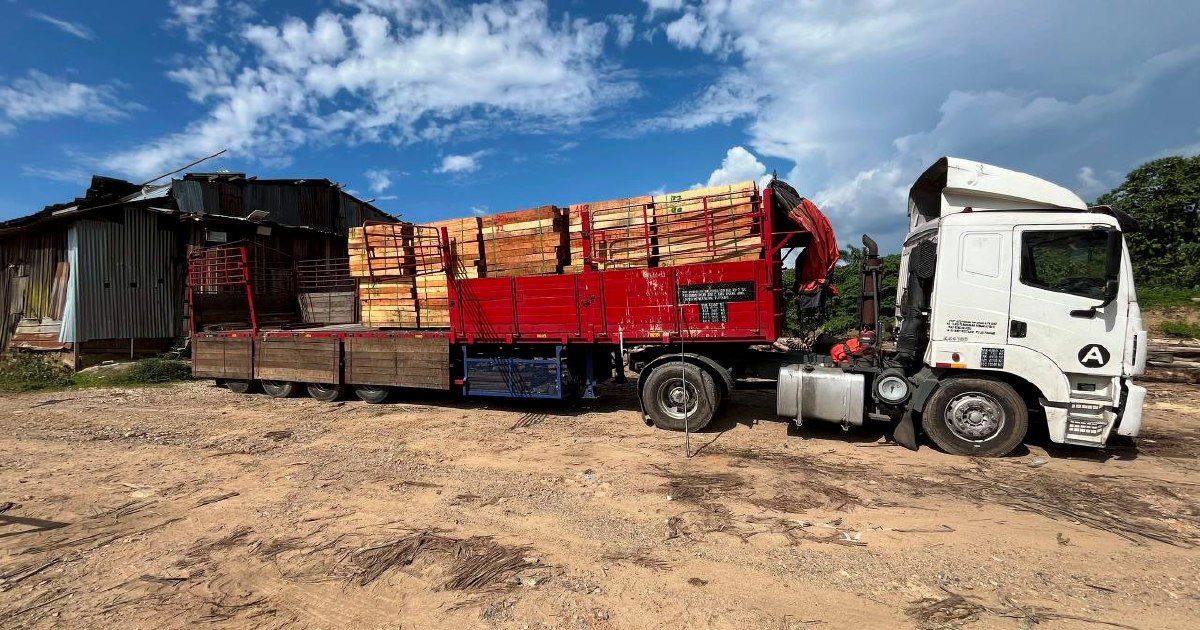
Five individuals face charges following authorities' discovery of a clandestine timber milling operation in Sungai Embak, near Kuala Krai in Kelantan yesterday. The coordinated enforcement action resulted in the confiscation of industrial machinery, processing equipment, and raw timber stocks collectively worth RM2.32 million, highlighting ongoing vulnerabilities in Malaysia's forest resource management despite intensified regulatory scrutiny.
The operation represents a substantial blow to illegal logging networks that have long plagued Peninsular Malaysia, particularly in northeastern states where vast forest reserves remain difficult to monitor comprehensively. Kelantan, a major timber-producing region, has historically served as a transit point and processing hub for illicitly harvested wood destined for domestic consumption and international markets. The scale of the seizure—spanning millions of ringgit—underscores how profitably these clandestine enterprises operate despite elevated penalties and surveillance.
Illegal timber processing typically involves multiple downstream criminal actors who purchase logs obtained through corruption or outright theft from licensed concession areas. The factory setting discovered in Sungai Embak suggests an organized operation with sufficient capital investment and operational sophistication to acquire industrial-grade milling equipment and maintain processing facilities. Such infrastructure would require significant upfront expenditure and ongoing operational costs, pointing toward a network with reliable supply chains and distribution networks.
The timing of the raid coincides with heightened public consciousness around deforestation linked to climate change and biodiversity loss across Southeast Asia. Malaysia has faced mounting international pressure to strengthen forest protection measures, particularly following commitments under the Convention on Biological Diversity and pledges to achieve net-zero emissions by 2050. The enforcement action demonstrates attempts by relevant agencies to address the illicit timber trade that undermines these environmental commitments while costing the government substantial lost revenue through illegal harvest and unreported processing.
The confiscated machinery and timber would have represented substantial commercial value had the operation continued undetected. Industry analysts estimate that processed tropical hardwoods command premium prices in both domestic and export markets, with premium grades fetching hundreds of ringgit per cubic meter. The RM2.32 million seizure likely encompasses several months of operational output, suggesting monthly revenues potentially exceeding RM400,000 to RM500,000 for the illegal operators involved.
Enforcement agencies coordinate across multiple jurisdictions to dismantle these networks, typically involving federal forestry officers, state authorities, and sometimes maritime enforcement bodies when smuggling routes extend to ports. The successful operation indicates improved inter-agency coordination and intelligence gathering, though the persistence of such facilities suggests that illegal processing continues despite regulatory efforts. Each operation represents a tactical victory, yet the underlying structural vulnerabilities—corruption among officials, remote forest access points, and robust market demand—remain largely unaddressed.
The arrest of five individuals may yield valuable intelligence regarding upstream suppliers and downstream distribution networks. Cooperation from detained operators, incentivized through prosecution guidelines, often proves instrumental in dismantling broader smuggling syndicates. Intelligence obtained frequently identifies complicit government personnel, corrupt logging company officials, and transport facilitators operating across multiple states.
For Malaysian readers, such enforcement actions carry broader implications for resource sovereignty and economic justice. Illegal timber extraction represents a direct transfer of national wealth to criminal networks and corrupted officials, diminishing government revenue that could fund healthcare, education, and infrastructure. The environmental cost compounds this financial loss, as uncontrolled harvesting devastates forest ecosystems that provide watershed protection, carbon sequestration, and biodiversity habitat essential for long-term national sustainability.
Regionally, Malaysia's experience mirrors challenges across Southeast Asia, where illegal timber trades flourishing in Myanmar, Cambodia, and Indonesia supply global markets. Transnational coordination among enforcement authorities remains underdeveloped, permitting operators to relocate processing activities across borders when pressure intensifies. The seizure in Kelantan, therefore, must be understood within a broader regional trafficking context where timber-producing nations struggle collectively to prevent exploitation of shared forest resources and porous borders.
The investigation into the arrested individuals will likely examine timber documentation—or conspicuous absence thereof—linking seized materials to forestry concessions or harvesting permits. Forged or fraudulent documentation represents the primary mechanism through which illegal timber enters commercial supply chains disguised as legally sourced material. Disrupting this documentation fraud remains critical to enforcement strategies, yet enforcement capacity remains constrained across most Malaysian agencies.
Looking forward, sustainability of enforcement victories requires addressing root-cause factors: inadequate ranger staffing, insufficient surveillance technology, limited prosecutorial capacity, and insufficient penalties relative to potential profits. The RM2.32 million seizure provides a temporary disruption, yet without systemic reforms addressing these underlying weaknesses, similar operations will continue proliferating across Malaysia's extensive forest reserves. Sustained commitment to forest protection demands resources matching the economic incentives driving illegal exploitation.

