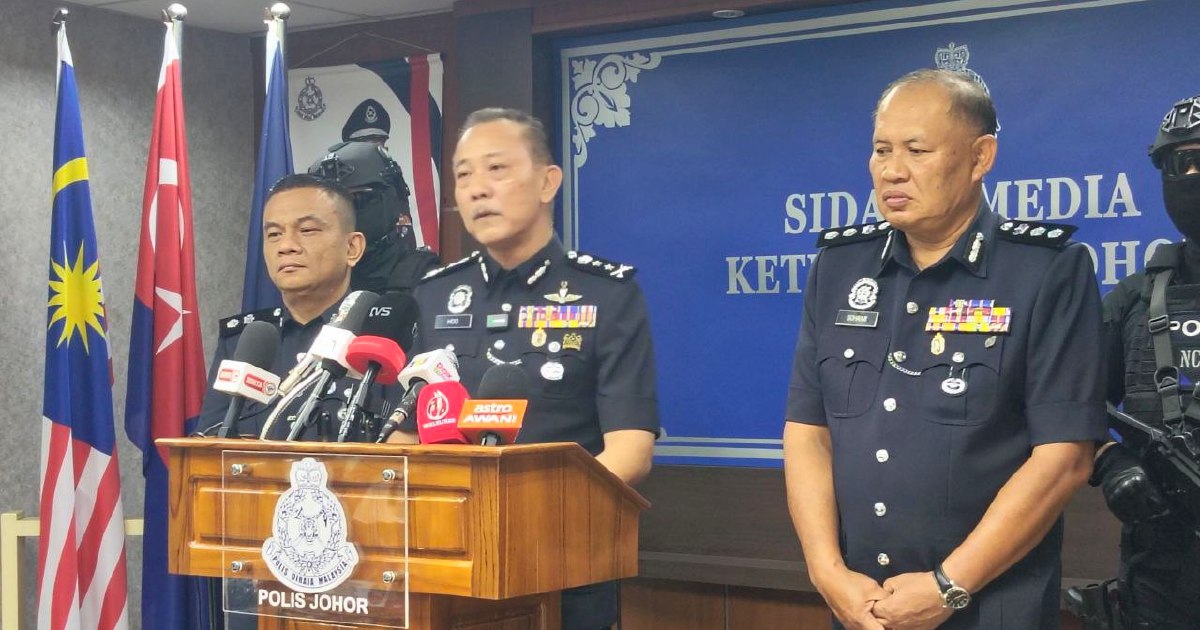
Five people have been taken into custody by authorities in Johor following investigations into separate incidents in which both the Jalur Gemilang and Johor state flags were hoisted in an inverted position across the state. The arrests underscore the sensitivity surrounding national symbols and their proper display in Malaysia, where strict protocols govern how such flags are to be handled and exhibited.
The incidents, spanning three distinct cases, came to light after members of the public reported the improper flag placements to authorities. Flag displays are regulated closely in Malaysia through various laws and regulations, with mishandling of national symbols treated as a matter of considerable legal consequence. The inverted positioning of flags is widely understood as either accidental negligence or, in some contexts, a form of distress signalling or deliberate disrespect, all of which can trigger official scrutiny.
Johor Baru, the state capital, emerged as the focal point of the police investigation, though the incidents were distributed across multiple locations throughout the state. The coordinated response by law enforcement reflects the protocols established for addressing breaches of flag protocol, which extend beyond mere administrative infractions. The circumstances surrounding each case remain under investigation, with authorities seeking to establish whether the incidents were inadvertent oversights or resulted from intentional action.
The proper display of national symbols carries significant cultural and patriotic weight in Malaysia. The Jalur Gemilang, adopted as the national flag following independence in 1957, features a distinctive yellow and blue striped design with a crescent moon and star on the upper hoist side. Similarly, the Johor state flag holds prominence within the state's institutional identity and governance structure. Both symbols command respect through a framework of national and state-level regulations that establish penalties for mishandling or disrespectful treatment.
Law enforcement agencies in Malaysia have consistently demonstrated vigilance in protecting the integrity of national and state symbols. This reflects a broader commitment to safeguarding the nation's institutional dignity and the shared symbols that unite Malaysians across diverse communities and backgrounds. The investigation into these particular cases follows established procedures for examining potential violations of flag protocol regulations.
The timing of these arrests occurs within a context of heightened civic consciousness around national symbols in Southeast Asia. Many nations in the region maintain stringent protections for their flags and national emblems, viewing them as central to national identity and cohesion. In Malaysia, such protections are embedded in both statutory law and customary understanding of respectful conduct toward state institutions.
The incidents highlight the importance of public awareness regarding proper flag handling and display procedures. Educational efforts by relevant authorities aim to ensure that businesses, institutions, and individuals understand and comply with established flag protocol. The five individuals now in custody will face further questioning and processing through the appropriate legal channels as the investigation progresses.
For those arrested, the cases may proceed through the criminal justice system depending on the nature of each incident and applicable charges. The Malaysian legal framework provides graduated responses to breaches of flag protocol, ranging from warnings and fines to more serious penalties depending on circumstances and intent. The outcomes of these particular cases may set precedent for how similar incidents are addressed in the future.
The broader implications extend to institutional responsibility and community vigilance. Owners and managers of public spaces, government offices, and commercial establishments have an obligation to maintain proper flag display standards. Meanwhile, members of the public who observe flag protocol violations are encouraged to report such instances to authorities, contributing to the collective stewardship of national symbols.
For Malaysia's significant business and tourism sectors, maintaining proper respect for national symbols is equally important. International visitors and domestic stakeholders alike rely on consistent, dignified presentation of national emblems as expressions of institutional confidence and national pride. These incidents serve as reminders that maintaining such standards requires ongoing attention and education.
The investigation in Johor also underscores the coordination between state and federal authorities in matters touching on national institutions and symbols. Police forces work in concert with other agencies to ensure comprehensive investigation and appropriate follow-up, reflecting the hierarchical and interconnected nature of Malaysia's governance structure.

