A coordinated assault on a military checkpoint in Thailand's conflict-prone Narathiwat province has claimed the lives of five rangers, marking another escalation in the simmering violence that continues to destabilise the deep south. The Wednesday night attack, which also left six civilians hurt—among them a three-year-old child—underscores the persistent security challenges facing Thailand's southernmost regions and raises fresh concerns about cross-border implications for the wider Southeast Asian region.
The incident occurred at approximately 6.45 pm local time at the 4509 Ranger Company checkpoint located on Sami Hill in Rangae District. According to Lieutenant General Norathip Phoyanok, the Fourth Army Region Commander and Director of the Internal Security Operations Command (ISOC) Region 4, the assault was executed by a band of more than six assailants, all wearing masks and dark clothing. The attackers employed firearms and pipe bombs in their assault on the security post, suggesting a degree of tactical coordination and preparation that points to an organised operation rather than a spontaneous confrontation.
The speed and severity of the attack highlight the determined nature of armed opposition groups operating in the region. Preliminary evidence gathered at the scene indicated that the suspects fled in a black four-wheel-drive vehicle, though authorities had not immediately identified the specific group responsible. The use of vehicles for rapid extraction suggests familiarity with local escape routes and demonstrates operational sophistication that such insurgent organisations have developed over years of conflict in the region.
For Malaysia, developments in Thailand's southern provinces warrant close attention. The Narathiwat violence occurs along Malaysia's direct northern border, and instability in these Thai districts has historically created spillover effects into Kelantan and other Malaysian border states. Refugee flows, weapons smuggling, and criminal activity have previously crossed into Malaysian territory during periods of heightened violence in Thailand's south. Malaysian security agencies maintain continuous coordination with their Thai counterparts to monitor and mitigate these transnational risks.
The broader context of this attack reflects decades of separatist insurgency in Thailand's southern border regions. Despite numerous ceasefire efforts, negotiations, and military operations, violence persists at irregular intervals, frustrating efforts to establish lasting peace. The current incident suggests that armed factions retain both the capability and resolve to conduct significant attacks against government security forces, despite Thailand's sustained military presence and counterinsurgency operations throughout the region.
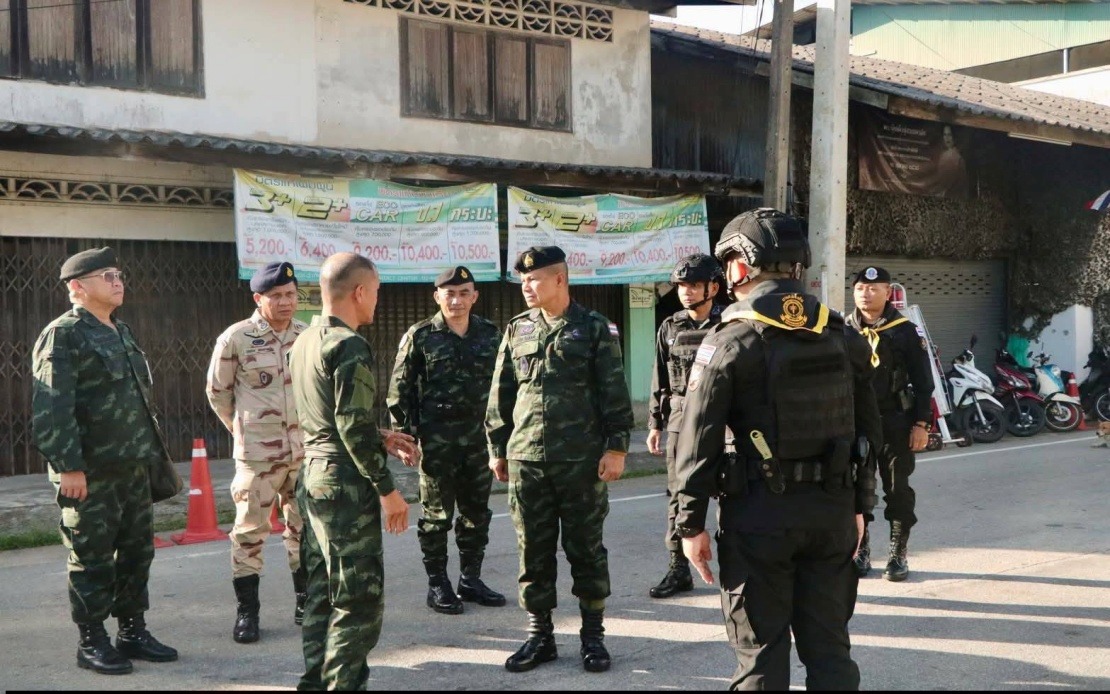
In response to the checkpoint attack, Narathiwat Governor Boonchuai Hormyamyen issued immediate directives to strengthen security postures across multiple fronts. Military, police, and local administrative authorities have been ordered to intensify patrols and security measures along the Malaysia-Thailand border specifically, as well as throughout the province's twelve districts. These measures reflect a concern that the attack may signal a broader campaign or tactical shift by insurgent groups seeking to reassert pressure on Thai security forces.
Forensic teams have secured the checkpoint area to preserve evidence and gather intelligence that might shed light on the identities and intentions of the attackers. The investigation remains ongoing, with authorities attempting to determine not only who perpetrated the assault but also which individual or group directed the operation and what strategic objectives may have motivated it. Understanding these factors is crucial for developing appropriate countermeasures and predicting future attack patterns.
The targeting of a ranger checkpoint rather than civilian infrastructure suggests that the assailants intended to strike directly at state security apparatus rather than inflict random terror. This tactical choice carries significance for analysts assessing insurgent group priorities and capabilities. Such precision targeting demands intelligence gathering, surveillance, and coordination—all elements that indicate organised rather than opportunistic violence.
The injury of six civilians, including an elderly person and a very young child, complicates the humanitarian picture. While the primary casualties were security personnel, the civilian injuries underscore the indiscriminate danger posed by armed conflict in populated areas. Such incidents often drive civilian resentment and trauma, potentially influencing community attitudes toward both security forces and insurgent groups, with unpredictable consequences for long-term stability and reconciliation efforts.
Thailand's security apparatus faces persistent challenges in protecting personnel and infrastructure across the southern provinces while simultaneously pursuing longer-term strategies for addressing root causes of insurgency. The checkpoint attack demonstrates that despite decades of operations, military forces remain vulnerable to determined opponents who possess mobility, weapons, and organisational capacity. This vulnerability necessitates continuous tactical adjustments, intelligence-led operations, and coordination across security agencies.
Regional observers will monitor whether this attack represents an isolated incident or signals renewed intensity in insurgent activity. Historical patterns in Thailand's southern conflict suggest that attacks often cluster temporally, with successful operations emboldening armed groups and triggering expanded security responses. The coming weeks will therefore prove critical for assessing the trajectory of violence and the effectiveness of enhanced border security measures announced by Narathiwat authorities.
For Southeast Asian stability more broadly, the Thailand south violence remains a persistent challenge requiring sustained diplomatic engagement, humanitarian attention, and security cooperation. The incident in Narathiwat serves as a sobering reminder that despite development and modernisation across the region, longstanding communal tensions and armed movements continue to pose threats to peace and prosperity. International partners, including Malaysia and other ASEAN states, must remain engaged with Thai authorities in supporting sustainable peace-building efforts.

