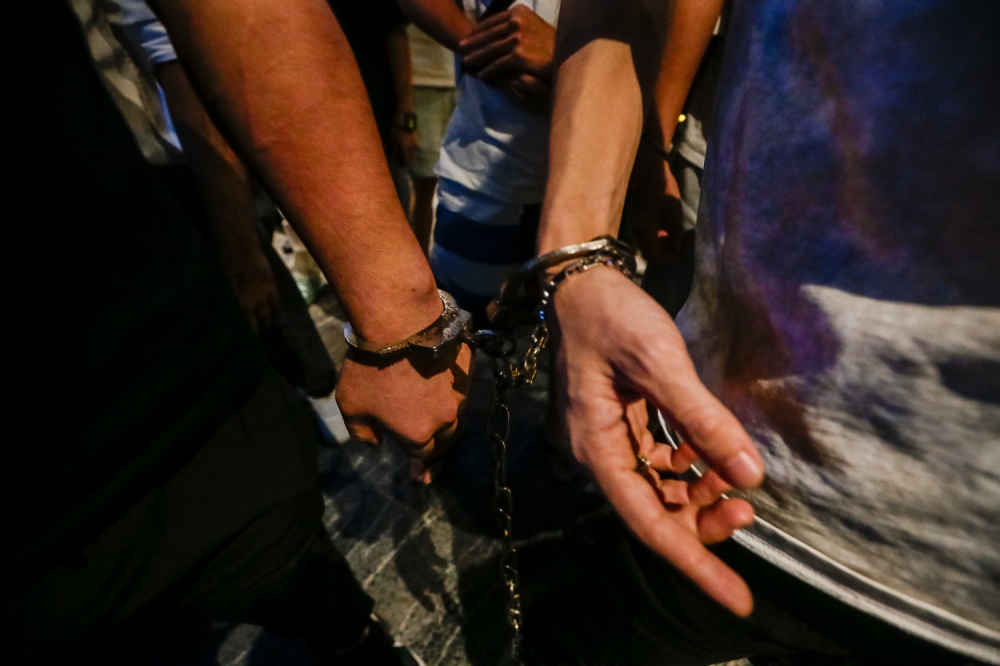
Authorities in Cheras have apprehended a foreign composer following allegations that he assaulted and intimidated a student enrolled at a private educational establishment in the federal territory. The arrest marks another instance of law enforcement responding to violence complaints at private learning institutions, a sector that has come under increased scrutiny regarding safeguarding standards and staff conduct protocols.
The incident underscores broader concerns about professional accountability and behaviour standards among international professionals working in Malaysia's education industry. Private institutions, which cater to substantial numbers of students seeking alternative academic pathways or specialised training, operate under varying degrees of oversight compared to public institutions. The composer's alleged actions have prompted renewed attention to how establishments in this sector manage disciplinary matters and ensure student safety.
Police investigations into such incidents typically examine the circumstances leading to the alleged assault, witness testimonies, and whether threats were made against the student. The Cheras police district, which covers parts of central Kuala Lumpur, has handled numerous cases involving foreign nationals in recent years, reflecting the growing international presence in Malaysia's professional and educational workforce. Each case involving alleged misconduct by expatriate professionals carries implications for visa policies and work permit scrutiny.
Private institutions offering music education and composition training have become increasingly popular among Malaysian students seeking specialised arts instruction. Many employ foreign instructors with recognised international credentials to enhance programme quality and provide students exposure to global teaching methodologies. However, such arrangements also create unique administrative and pastoral challenges, particularly regarding cultural adaptation and professional boundaries in the local context.
The allegation of threatening behaviour alongside physical assault suggests a pattern of concerning conduct rather than an isolated incident. Educational establishments have a duty of care towards enrolled students, requiring them to maintain safe learning environments free from intimidation or violence. Allegations of this nature typically trigger institutional reviews of hiring practices, supervision arrangements, and complaint-handling procedures, particularly concerning high-profile staff members with professional reputations.
For Malaysia's education sector, especially private institutions competing on quality and reputation, such incidents pose reputational risks that extend beyond individual cases. Parents and prospective students evaluating enrolment options increasingly factor in institutional safety records and disciplinary transparency. The composer's arrest will likely prompt institutions to review their vetting procedures for foreign staff, including background checks and references verifying previous employment conduct and professional standing.
The legal process ahead will determine whether charges proceed beyond the initial arrest. Malaysian law provides frameworks addressing assault and threats, with penalties varying based on injury severity and threat nature. Foreign nationals facing criminal charges may experience complications regarding visa status and potential deportation proceedings once legal matters conclude, adding complexity beyond standard sentencing considerations.
This incident also reflects broader discussions within Malaysia's education community about standards expected of foreign professionals. While many expatriate educators and specialists contribute significantly to institutional quality and student development, problematic conduct by individuals can damage the reputation of international professionals generally. Educational institutions consequently face pressure to implement more rigorous ongoing performance monitoring and student feedback mechanisms.
The private education sector remains an important part of Malaysia's broader learning landscape, offering diverse programmes and specialised instruction not always available through public channels. However, incidents involving alleged staff misconduct highlight the importance of robust governance structures and transparent accountability mechanisms. Institutions must balance autonomy in programme delivery with adherence to safety standards and professional conduct expectations matching or exceeding those in public education.
Student welfare becomes paramount in such situations, requiring institutions to provide appropriate support following distressing incidents. Counselling services and clear reporting pathways help ensure that affected students receive assistance and encouragement to pursue formal complaints without fear of retaliation or stigmatisation. Institutions that demonstrate genuine commitment to student protection strengthen trust with families and create safer learning communities.
The Cheras police investigation will likely examine institutional records, including any previous concerns raised about the composer's conduct, communication between relevant parties, and institutional responses to complaints. Such documentation often reveals whether isolated incidents or patterns of behaviour preceded formal police involvement, informing both legal proceedings and broader institutional accountability discussions.
Moving forward, this case will probably influence how private institutions approach international recruitment, staff training, and student complaint mechanisms. Educational establishments across Malaysia may review policies regarding conduct expectations, cultural orientation for foreign staff, and transparent channels for students to report concerns. These developments, while prompted by unfortunate circumstances, contribute towards strengthening overall safeguarding frameworks within Malaysia's diverse education sector and reinforcing professional standards expected of all practitioners working with young people.

