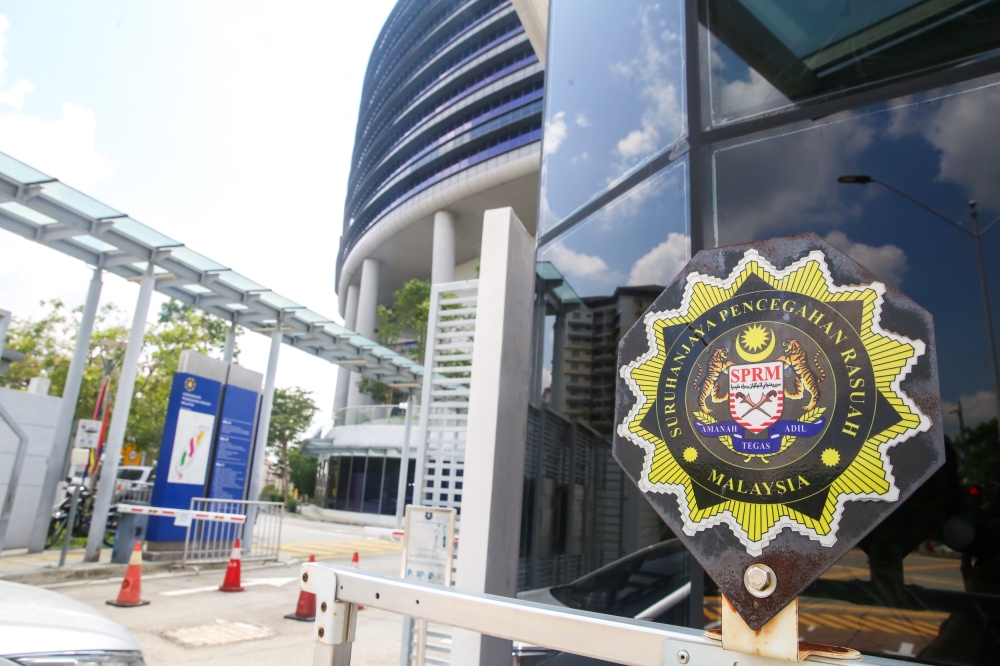
A former civil servant has been remanded for four days by the Kuala Lumpur Malaysian Anti-Corruption Commission following allegations that he exploited the identities of 11 people to fraudulently obtain RM300,000 in government aid payments. The detainee, whose identity has not been disclosed pending investigation, is accused of systematically abusing his access to welfare distribution systems during his period of employment with the government.
The case represents a troubling breach of public trust, as it demonstrates how internal knowledge of administrative procedures can be weaponised for personal gain. Individuals who have worked within government agencies possess an understanding of application processes, approval workflows, and payment channels that ordinary citizens typically lack. This insider advantage appears to have been crucial in executing what authorities describe as a sophisticated fraud operation spanning multiple beneficiary accounts.
Investigators are treating the matter with significant seriousness, as the scale and method of the alleged scheme suggests premeditation rather than isolated opportunistic theft. The targeting of 11 separate individuals indicates a deliberate attempt to distribute fraudulent claims across multiple identities to evade detection systems. Such a strategy reflects knowledge of how anti-fraud algorithms and human auditors typically flag suspicious patterns—concentrating large sums on single accounts triggers alerts, whereas splitting activity across numerous claimants creates an appearance of legitimacy.
The recruitment or misuse of identity details from 11 people raises questions about how their personal information was obtained and whether they were willing participants or unwitting victims. In Malaysia's context, where identity theft and personal data breaches have become increasingly common, this case highlights the vulnerability of citizens' information within government databases. Officials are likely examining whether the suspect improperly accessed confidential records or exploited relationships with individuals in vulnerable circumstances.
Government welfare systems across Southeast Asia have faced mounting scrutiny over their susceptibility to fraud. Malaysia's social assistance programmes, designed to support low-income households and vulnerable groups, operate on the assumption that beneficiaries will provide truthful information and that officials will verify claims. When state employees breach this trust, it not only depletes funds meant for genuine needy families but also erodes public confidence in institutional integrity. Each fraudulent claim represents money diverted from legitimate recipients who depend on these safety nets.
The four-day remand period granted by the courts provides MACC with time to pursue multiple investigative angles. Authorities will likely focus on tracing financial flows, examining the suspect's bank transactions and identifying where the RM300,000 was transferred or spent. Digital forensics may reveal how applications were submitted—whether through official government systems or falsified documentation—and whether any co-conspirators within the civil service facilitated the scheme. Family members and associates are typically interviewed during such investigations to determine whether proceeds were shared or benefited dependents.
This incident occurs against the backdrop of increased public scrutiny on government spending and accountability. Malaysian civil society organisations and media have intensified their monitoring of public sector integrity following a series of corruption scandals in recent years. Cases involving mid-level officials piloting large-scale fraud schemes underscore that corruption is not exclusively a problem of high-ranking political figures but permeates various organisational levels. A single motivated individual with system access can cause significant damage before detection.
The implications extend beyond the immediate figures involved. Government agencies will face pressure to strengthen internal controls and audit mechanisms governing welfare payments. The case demonstrates that existing safeguards—whether they involve supervisor oversight, random audits, or cross-referencing with other government databases—were insufficient to prevent or quickly identify the fraudulent activity. Likely responses will include enhanced biometric verification for benefit collection, more rigorous identity confirmation procedures, and stricter segregation of duties among approval officers.
For Malaysian citizens, particularly those receiving or applying for government assistance, this case carries cautionary lessons about protecting personal information. The exposure of 11 individuals' details for fraudulent purposes suggests either careless data handling or deliberate misuse by someone with system access. Public awareness campaigns encouraging vigilance over government correspondence and benefit statements have become increasingly important as such fraud becomes more sophisticated.
The investigation's outcome will have significance for how Malaysian authorities approach civil service misconduct more broadly. Prosecutors will need to establish clear evidence linking the suspect to specific fraudulent transactions and will likely pursue charges under multiple statutes covering fraud, forgery, identity theft, and abuse of position. The case will inevitably prompt the Ministry of Finance and relevant agencies to conduct internal reviews of their own welfare administration protocols and staff accountability measures.
As the investigation proceeds, the case serves as a reminder of the constant tension within government systems between operational efficiency and security. Welfare officials require reasonable access to systems to process legitimate claims promptly, yet that same access creates opportunities for abuse. Finding the appropriate balance—enabling genuine service delivery while detecting and preventing fraud—remains an ongoing challenge for Malaysian public administration and similar agencies throughout the region.

