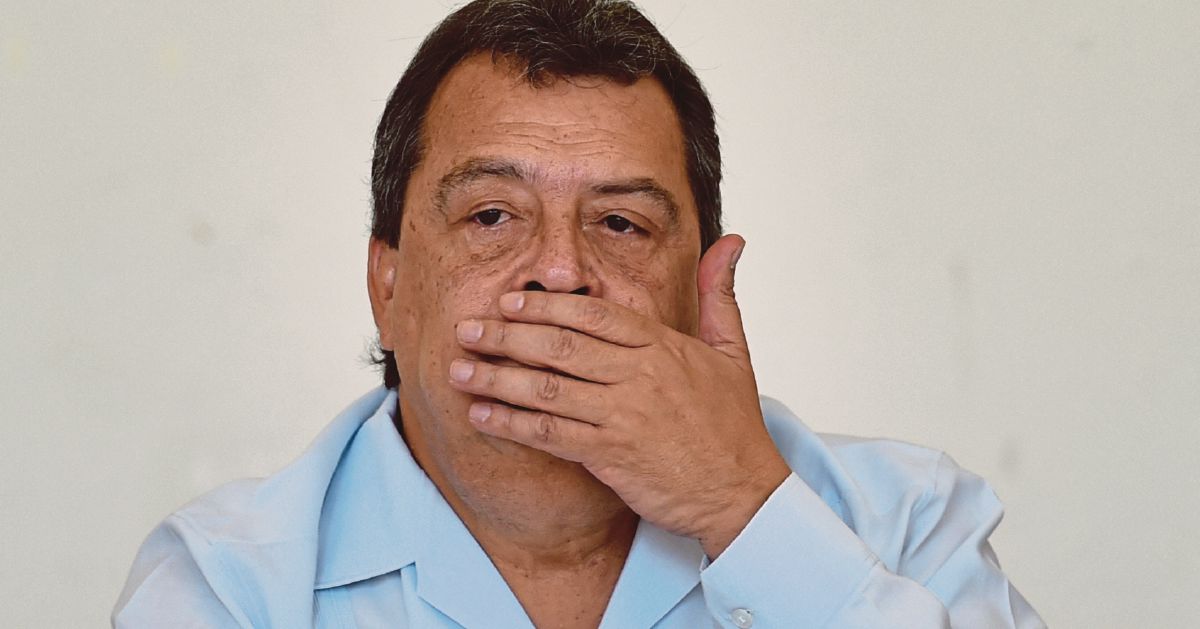
Mexican law enforcement officials announced the arrest of Guerrero state's former governor on Thursday following an investigation into alleged evidence tampering connected to one of Mexico's most notorious missing persons cases. The governor is accused of ordering the destruction of materials that could have provided crucial information about the fate of 43 students who disappeared over a decade ago, an incident that has become emblematic of Mexico's ongoing security challenges and institutional weaknesses.
The 2014 disappearance of 43 students from the Raúl Isidro Burgos Rural Teachers' College in Ayotzinapa shocked Mexico and drew international attention to the country's gang violence and government corruption. The students vanished in the city of Iguala on September 26, 2014, amid circumstances that remain heavily disputed. Initial government narratives blamed local criminal organisations, but subsequent investigations revealed potential involvement of local police and municipal officials, raising troubling questions about the extent of institutional complicity in the case.
The arrest of the former governor represents a significant escalation in accountability efforts surrounding this tragedy. For years, family members of the missing students and human rights organisations have demanded justice, arguing that official investigations have been inadequate and that powerful figures bore responsibility for the students' fate. The detention signals that investigators are now targeting higher-level officials who may have obstructed attempts to uncover what happened to the young men.
Evidence destruction accusations carry particular weight in a case already clouded by inconsistent government statements and shifting narratives. By allegedly ordering the destruction of materials, the former governor would have deliberately prevented investigators from accessing documents that could have clarified events surrounding the disappearance. Such actions indicate a calculated effort to conceal information rather than a passive failure to cooperate with authorities, distinguishing this charge from mere negligence or bureaucratic ineptitude.
For Malaysian readers and the broader Southeast Asian region, this case underscores challenges that many countries in the area share with Mexico: the intersection of gang violence, police corruption, and governmental accountability. Nations across Southeast Asia have wrestled with similar incidents involving missing persons, institutional involvement in crimes, and difficulty holding senior officials responsible. The Mexican case demonstrates both the obstacles international observers face in obtaining justice in such scenarios and the possibility, however delayed, of pursuing accountability against powerful figures.
The timing of the arrest also reflects Mexico's broader political transformation under President Andrés Manuel López Obrador, who came to power partly on promises to address historical injustices and combat corruption. His administration has shown greater willingness to investigate and prosecute former officials compared to predecessors, though critics argue progress remains frustratingly slow for families still seeking answers about their loved ones.
Investigators had apparently gathered sufficient evidence to convince judicial authorities that the former governor's alleged conduct warranted detention. Evidence destruction in a high-profile missing persons case represents not merely an obstruction of justice but a deliberate choice to prioritise protecting individuals over resolving a tragedy that profoundly affected dozens of families and Mexican society broadly. The charges suggest investigators believe this was not an isolated action but rather part of a coordinated effort to conceal information.
The broader investigation into the Ayotzinapa case has uncovered multiple layers of institutional failure. Beyond alleged evidence destruction, researchers have documented how local police, federal forces, and municipal officials may have facilitated the students' disappearance through action or inaction. Each revelation has intensified scrutiny of government structures that enabled such violations to occur in the first place, raising fundamental questions about institutional reform and the prevention of similar incidents.
For the families of the 43 missing students, this arrest offers some vindication that investigation into the case continues despite years passing since the original incident. However, it remains unclear whether the evidence destruction charges will ultimately lead to clarity about the students' whereabouts. Many families continue seeking definitive information rather than convictions alone, though justice and accountability through the legal system represent important symbolic and practical steps toward closure.
This development also reflects changing international attitudes toward corporate and governmental accountability for missing persons cases. Regional and global human rights organisations maintained sustained pressure on Mexican authorities to pursue investigations beyond initial scapegoating of lower-level actors. The arrest suggests that persistence from civil society can eventually penetrate institutional barriers, even when powerful figures resist scrutiny.
Looking forward, the case will likely influence how Mexican authorities approach future investigations involving missing persons and institutional accountability. It demonstrates that even individuals with previous political power are not immune from prosecution, though the legal process will take considerable time. For stakeholders across Southeast Asia observing Mexico's judicial proceedings, the case provides lessons about both the obstacles and potential pathways toward justice in complex cases involving state actors and vulnerable populations.

