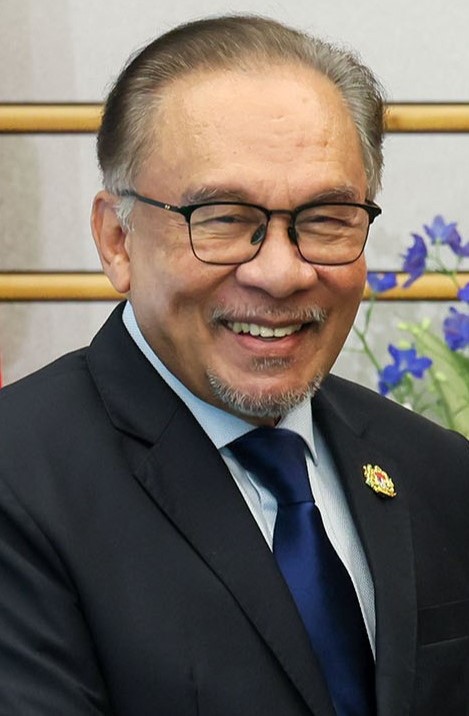
Onn Hafiz Ghazi, chairman of Barisan Nasional in Johor and a former federal health minister, has confirmed his intention to stand as a candidate in the forthcoming Johor state election, where he will seek re-election from the Machap constituency. The move marks a significant moment in Johor politics as a prominent figure rejoins the electoral arena following his earlier tenure in the federal government.
Ghazi's decision to contest from Machap underscores the competitive nature of Johor politics, where the state has remained a crucial battleground for both ruling and opposition coalitions. As chairman of the Barisan Nasional machinery in the state, his candidacy carries substantial weight in shaping the coalition's electoral strategy and messaging across multiple constituencies. The Machap seat, which he currently holds, has historically been a competitive constituency that demands sustained grassroots engagement and local constituency work.
The confirmation of his candidacy comes as Barisan Nasional accelerates its preparations for the Johor state polls, working to consolidate support among various demographic groups and geographic regions within the state. Johor, as Malaysia's second-largest state by population and a key economic contributor, has long served as a testing ground for political narratives and coalition strength. The state's electorate has demonstrated a propensity for incumbency and tends to reward parties and leaders perceived as delivering tangible development and administrative competence.
Ghazi's background as a former health minister provides him with a platform to highlight his experience in managing large-scale public programmes and policy implementation. His previous portfolio, particularly during the post-pandemic period when healthcare governance became increasingly visible to voters, offers opportunities to discuss pandemic responses, healthcare infrastructure development, and medical service accessibility. Such credentials may resonate with constituencies seeking candidates with demonstrated administrative experience at the federal level.
The returnee status carries both advantages and potential vulnerabilities in the electoral context. His decision to contest signals confidence within the Umno leadership structures, yet it also invites scrutiny of his federal-level performance and any policy legacies that remain subject to public debate. Johor voters, pragmatically oriented towards evaluating incumbent performance and future promises, will likely assess whether his previous national-level experience translates into tangible benefits for Machap constituents specifically.
Barisan Nasional's broader electoral architecture in Johor depends significantly on having competitive, experienced candidates in marginal constituencies where victory margins remain narrow. Machap represents precisely such a seat, where careful cultivation of voter goodwill and sustained constituent representation determine electoral outcomes. Ghazi's entrenchment in the constituency through previous electoral cycles means he possesses accumulated knowledge of local grievances, community networks, and demographic patterns that newer candidates would require time to develop.
The timing of this announcement reflects the coalition's accelerated electoral calendar and the necessity of finalizing candidate selections with sufficient lead time for campaign preparation. Johor's political significance in the broader Malaysian context ensures that results there carry implications beyond state boundaries, influencing perceptions of coalition viability and opposition momentum heading into potential federal-level contests. A strong showing by Barisan Nasional in Johor validates the coalition's strategic direction, while a disappointing outcome raises questions about its capacity to retain support in previously secure territories.
Local political observers note that Machap's electorate encompasses urban, semi-urban, and rural sections, requiring a nuanced approach to addressing divergent constituent concerns. Urban voters may prioritize infrastructure development and business-friendly policies, while rural sections frequently emphasize agricultural support, connectivity improvements, and equitable allocation of development resources. A candidate's capacity to synthesize these distinct priorities into coherent campaign messaging directly impacts electoral performance in such mixed constituencies.
Ghazi's candidacy additionally reflects internal Umno dynamics and factional considerations within Johor's divisional structures. The confirmation of his contest bid signals leadership endorsement and suggests confidence in his electoral appeal despite any potential controversies or criticisms arising from his federal tenure. This backing carries material implications for resource allocation, campaign volunteers, and strategic party machinery deployment across the Johor campaign effort more broadly.
The opposition remains attentive to Barisan Nasional's candidate announcements, particularly regarding experienced or high-profile figures returning to electoral competition. Opposition parties will likely formulate counter-strategies targeting Ghazi's record and positioning alternative candidates in Machap to challenge his dominance. This competitive dynamic ensures that the Machap constituency will feature prominently in Johor's electoral narrative, attracting campaign resources and media attention from multiple political blocs.