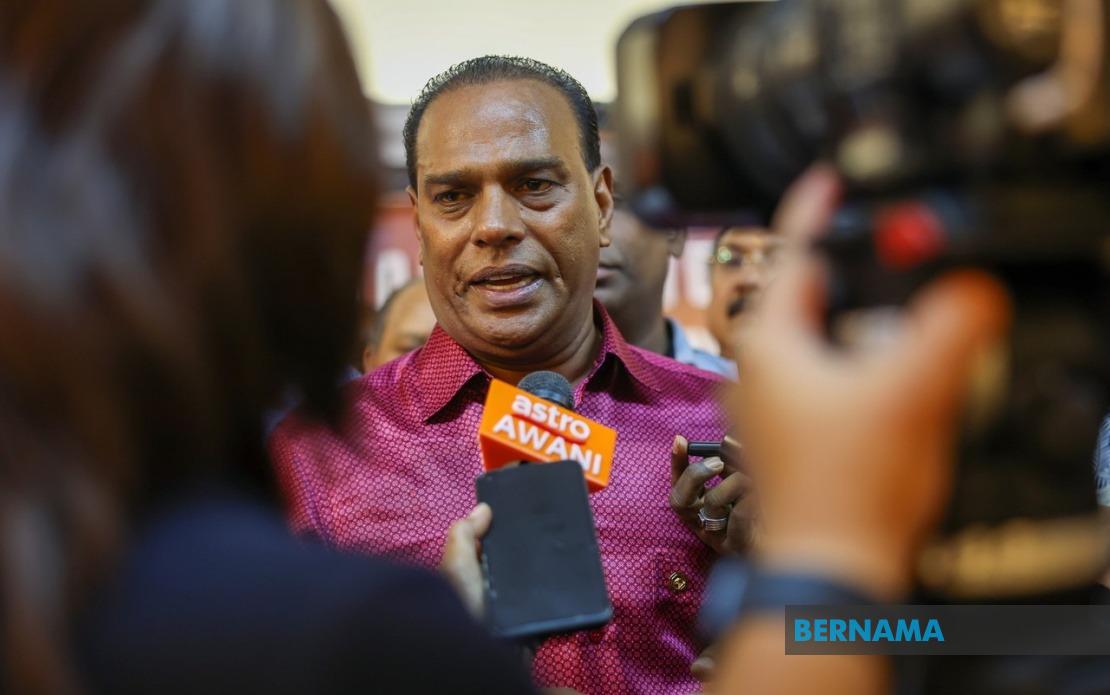
Datuk Seri M. Saravanan, the former Human Resources Minister and current Tapah Member of Parliament, has acknowledged that he will appear before the Sessions Court tomorrow to face formal charges. The politician, who also serves as deputy president of the Malaysian Indian Congress, disclosed this information through a recorded video statement distributed to journalists, confirming media speculation about his imminent legal proceedings.
The charges that Saravanan will face relate to allegations surrounding the recruitment of foreign workers during Malaysia's COVID-19 response period in 2022. According to the former minister, the accusations stem from a third-party statement that has been linked to his involvement in the matter. The specifics of what occurred during this timeframe remain a focal point of the investigation, as it touches on a sensitive period when Malaysia was managing pandemic-related labour shortages alongside strict border and employment controls.
A critical development in this case involves the original complainant, an individual who made the initial statement connecting Saravanan to the foreign worker issue. This person has since passed away approximately two months prior to the present charges being filed. Following the individual's death, their representatives subsequently executed a Statutory Declaration formally retracting the allegations that had been made against the former minister, creating a complex legal situation where the primary witness can no longer testify or clarify their position.
Saravanan has maintained his innocence and distanced himself from the allegations with particular emphasis. In his statement, he categorically denied having any prior contact with the individual who made the initial complaint, whether through telephone conversation or text message communication. This denial addresses a fundamental question in corruption investigations: whether the accused party directly engaged with witnesses or facilitated their testimony through personal communication channels.
Despite the withdrawal of allegations through the Statutory Declaration, the Malaysian Anti-Corruption Commission proceeded with charges under Section 16 of the MACC Act 2009. This legal provision addresses offences related to soliciting, receiving, giving, promising, or offering bribes. The commission's decision to pursue charges even after the complainant's death and subsequent retraction suggests investigators concluded they possessed sufficient evidence independent of the original third-party statement to proceed with prosecution.
The former minister expressed his readiness to mount a robust legal defence against the charges. Saravanan emphasised that despite the primary witness having deceased, he remains willing to present his case before the court in accordance with established legal procedures. His legal team has already prepared a strategic approach for the proceedings, signalling an intent to contest the allegations vigorously rather than pursue alternative resolutions.
During tomorrow's court appearance, Saravanan's legal representatives plan to file an application requesting judicial acceleration of the trial process. This motion seeks to expedite all subsequent proceedings without unnecessary postponements or delays, effectively moving the case through the judicial system as swiftly as possible. Such requests are often filed when defendants seek to minimise the period of legal uncertainty and demonstrate confidence in their position.
The MACC formally announced yesterday that charges would be brought against a former minister, triggering significant interest within political and media circles. The commission's decision to publicise the upcoming charges through an official media invitation underscores the high-profile nature of the case. The involvement of a former cabinet minister in allegations of this magnitude invariably attracts public attention and raises questions about governance standards during the relevant period.
Saravanan's case adds another chapter to Malaysia's ongoing efforts to address public sector integrity and anti-corruption enforcement. The circumstances surrounding the foreign worker recruitment issue during 2022 coincided with a period when Malaysia faced considerable pressure to manage labour markets amidst pandemic-related disruptions. The timing of these charges raises broader questions about oversight mechanisms and accountability frameworks that were operational during that transitional economic period.
The legal proceedings ahead will likely determine not only Saravanan's individual culpability but also set precedent for how similar cases involving senior government officials are prosecuted. The involvement of the MACC, Malaysia's primary anti-corruption agency, indicates the seriousness with which these allegations have been treated. The case will proceed through the criminal justice system where the burden of proof remains with the prosecution to establish guilt beyond reasonable doubt, with the defendant entitled to present their full defence.

