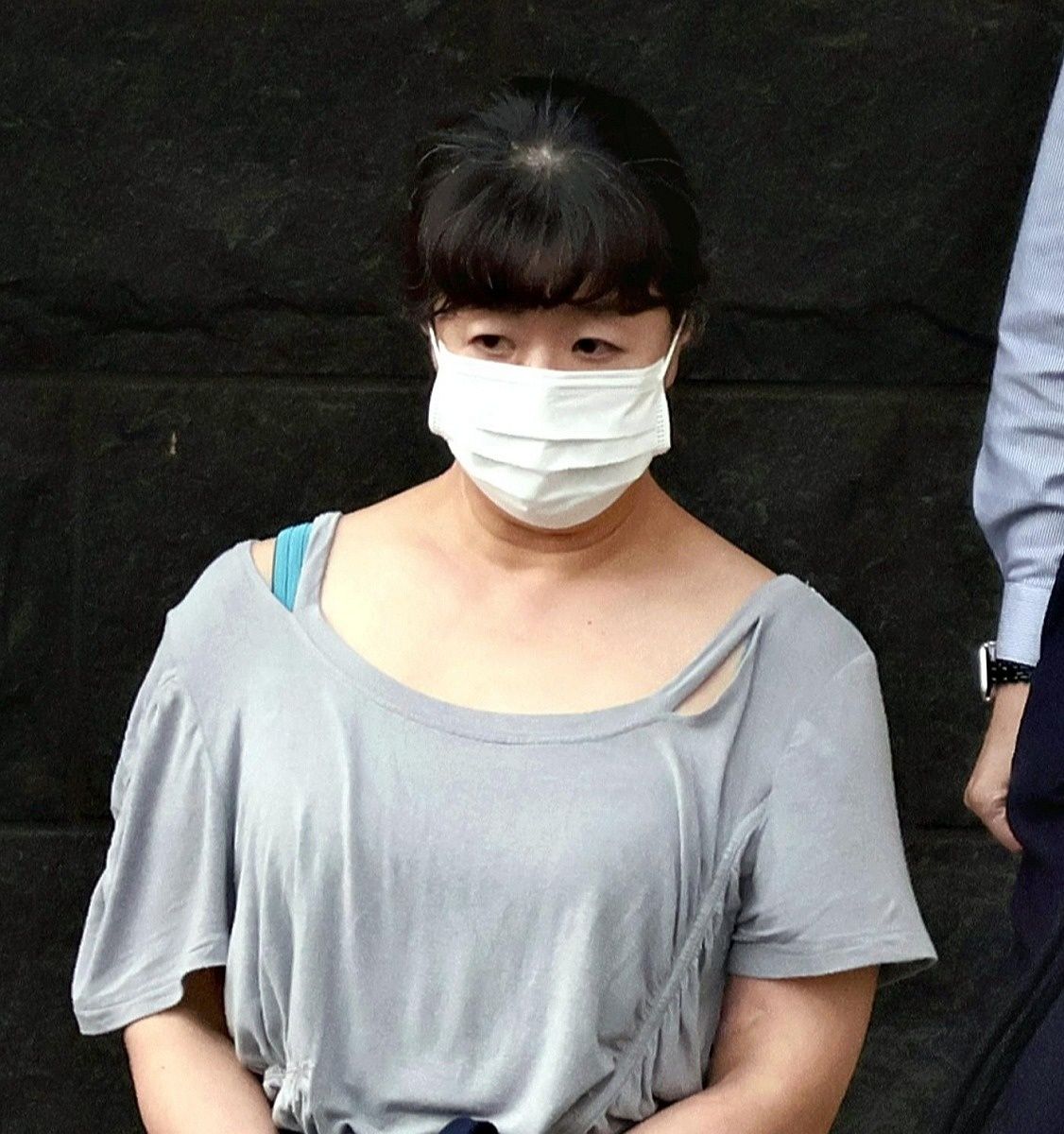
Japanese police have arrested a 51-year-old former nurse on charges of causing a patient's death through deliberate contamination of medical equipment. Miyuki Furukawa, a resident of Kashiwa in Chiba Prefecture, was taken into custody on Wednesday, July 15, following a months-long investigation into the death of 75-year-old Eiji Aida at Kashiwa Tanaka Hospital in January. The case represents a disturbing breach of medical ethics and patient safety protocols at a time when healthcare systems across Asia are strengthening oversight mechanisms.
The alleged incident occurred in the early morning hours of January 30, when Furukawa, working as the head nurse during the night shift, is suspected of inserting faeces into the extension tube of an intravenous drip connected to Aida's arm at approximately 3.55 am. Hospital security footage corroborates her presence in and around the patient's room during the critical period. Within hours, Aida's condition deteriorated significantly, and he was pronounced dead just after 10.30 pm the following evening. Medical examination confirmed that his death resulted from multiple organ failure triggered by sepsis, with bacterial analysis of his bloodstream identifying pathogens consistent with faecal contamination.
The discovery of the contamination came not immediately but several days after the incident, when a hospital staff member noticed visible discolouration inside the IV extension tube. This observant colleague alerted Kashiwa Police on February 1, reporting suspicions that a foreign substance had been introduced into the equipment. The delay in detection underscores vulnerabilities in hospital monitoring procedures and highlights how such deliberate acts of sabotage can potentially go unnoticed in busy medical environments where staff attention is distributed across multiple patients and responsibilities.
During police questioning, Furukawa has maintained her innocence, categorically denying any involvement in contaminating the IV apparatus. However, investigative findings have uncovered damaging evidence suggesting premeditation and motive. Police sources revealed that Furukawa had conducted internet searches on her personal smartphone for the phrase "faeces injection — Will [he] die?", raising questions about her state of mind and intentions prior to the incident. Additionally, investigators determined that the accused and her victim had engaged in a prior argument, providing a potential interpersonal motive for the alleged act.
The implications of such a case extend far beyond the immediate tragedy of one patient's death. For healthcare systems across Southeast Asia and the broader region, this incident serves as a stark reminder of institutional vulnerabilities and the critical importance of robust background screening, psychological evaluation, and ongoing monitoring of healthcare workers in sensitive positions. While cases of intentional harm by medical professionals remain statistically rare, their occurrence in high-trust, high-access roles such as nursing demands systematic reviews of hiring protocols and workplace oversight measures.
Furukawa's employment history adds another layer to the investigation's complexity. She had resigned from Kashiwa Tanaka Hospital at the end of February, approximately one month after the alleged incident and during the period when police suspicions were intensifying. At the time of her arrest in July, she was working as a midwife at another hospital in Tokyo, raising concerns about whether her departure from Kashiwa was voluntary or the result of institutional pressure. The question of what information was shared—or not shared—between healthcare institutions regarding her circumstances remains a critical area of scrutiny for authorities.
Aoikai, the healthcare organisation operating Kashiwa Tanaka Hospital, has issued a formal statement expressing deep remorse and characterising the alleged behaviour as fundamentally incompatible with medical practice and human decency. The organisation pledged full cooperation with police investigations and committed to transparent disclosure of findings. Such institutional responses are increasingly expected in Japan and throughout Asia, where healthcare scandals generate significant public concern and demand accountability from management and governance structures.
The Chiba Prefectural Police investigation continues to probe both Furukawa's motivations and the precise circumstances surrounding the contamination. Key questions include how she accessed the IV equipment without triggering alarms, whether other staff members observed unusual activity, and whether institutional protocols for monitoring patient care were adequately implemented. For Malaysian healthcare administrators and policymakers, this case provides instructive lessons about the importance of integrating multiple layers of security and oversight in hospital environments.
Patient safety advocates across Asia have noted that while institutional failures sometimes receive primary focus in medical error cases, deliberate harm by healthcare workers presents a distinctly different challenge requiring criminal investigation alongside quality assurance reviews. The case underscores the necessity for psychological screening not only during hiring but as an ongoing component of healthcare worker management, particularly for staff working in night shifts where supervision may be lighter and opportunities for unsupervised patient contact more frequent.
The sepsis-induced death that resulted from the alleged contamination illustrates how bacterial introduction into bloodstream pathways can trigger catastrophic physiological cascade events, often within hours. For hospital quality committees and infection control specialists throughout the region, the case reinforces the critical importance of regular IV site monitoring, staff training on recognising early signs of contamination-related infections, and establishing clear reporting procedures when equipment appears compromised or discoloured.

