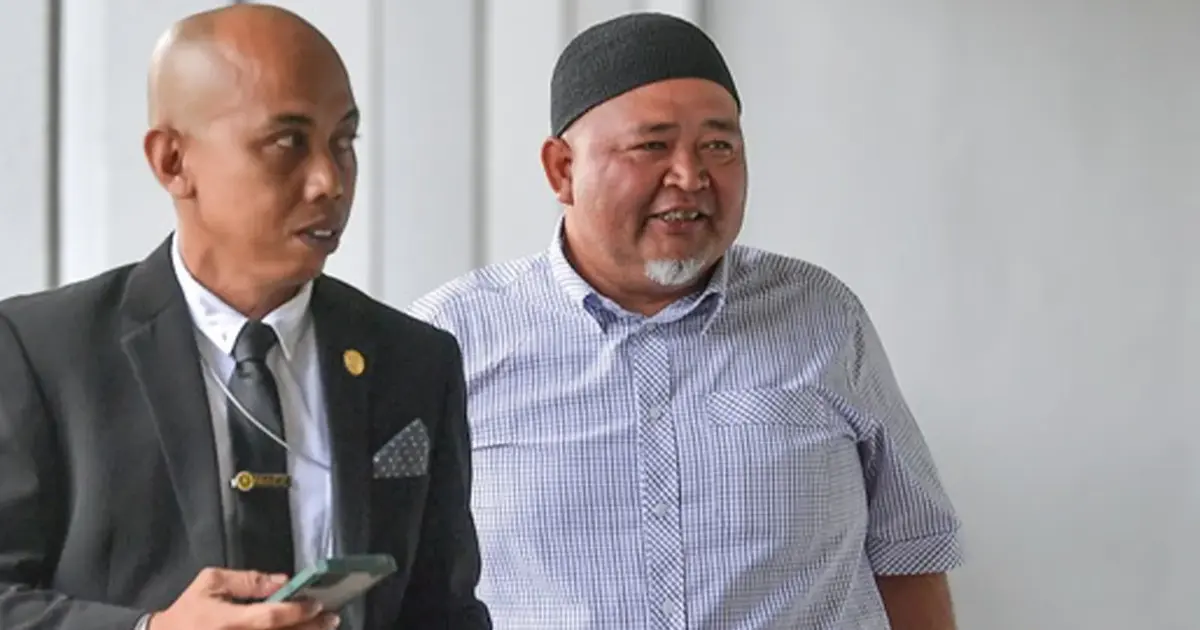
A senior aide to the Kedah Menteri Besar has been ordered to enter his defence after a Kuala Lumpur sessions court found compelling evidence supporting a bribery allegation linked to rare earth mineral operations. Judge Suzana Hussin delivered the pivotal ruling that the prosecution has established a prima facie case against Hilmi Abdul Wahab, clearing the procedural hurdle that brings the case into a critical new phase.
This development marks a significant juncture in a prosecution that touches on Malaysia's sensitive rare earth sector, a strategically important industry with implications for both national development and international trade relations. The case underscores ongoing concerns about governance and corruption risks in resource management at state level, particularly in politically sensitive portfolios.
The finding of a prima facie case means the court is satisfied that the prosecution has presented sufficient evidence to support the allegations if accepted at face value. This threshold, though not a determination of guilt, represents a substantial hurdle that requires the defence to now provide an account of the circumstances. For Hilmi Abdul Wahab, this means the case will proceed beyond preliminary examination and into substantive trial proceedings where he must actively respond to the allegations rather than merely challenging the prosecution's case.
Rare earth minerals occupy an increasingly prominent position in Malaysian economic discourse. These materials are essential for modern electronics, renewable energy technologies, and defence applications, making them strategically valuable globally. Malaysia possesses significant rare earth reserves and has promoted the sector as part of high-value manufacturing initiatives. Allegations touching on this industry therefore carry broader implications beyond individual misconduct, potentially affecting investor confidence and regulatory frameworks governing the sector.
The requirement for Hilmi Abdul Wahab to mount a defence signals that judicial scrutiny of the matter will intensify considerably. During the preliminary examination phase, the burden rests primarily on the prosecution to demonstrate a foundation for proceeding. Now, as the case moves forward, the defence must construct a coherent narrative addressing the specific allegations. This shift in burden and focus typically accelerates the procedural pace and brings factual disputes into sharper relief.
The connection between a state political figure's aide and rare earth sector allegations reflects the intersection of governance structures and resource management. Menteri Besars in Malaysian states wield considerable influence over economic portfolios and development strategies. The involvement of someone closely associated with such political leadership in a bribery matter invites scrutiny of how political patronage networks interface with commercial operations in regulated sectors.
For readers in Southeast Asia, this case represents a broader pattern of anti-corruption enforcement across the region. Malaysia has progressively strengthened institutional mechanisms for investigating and prosecuting corruption allegations, with the Malaysian Anti-Corruption Commission playing a central role. Courts have demonstrated willingness to allow significant cases to proceed to trial, establishing important precedents for judicial independence and the rule of law in commercial governance matters.
The implications for Kedah state politics should not be overlooked. The Menteri Besar's office and associated personnel operate under public scrutiny, and allegations affecting political staff generate ripple effects through state administration and public confidence. However, the judicial process must be allowed to proceed without political interference, a principle that Malaysian courts have increasingly emphasized in their decisions.
Hilmi Abdul Wahab now faces the substantive task of constructing a credible defence to the allegations. His legal team must identify weaknesses in the prosecution's evidence, challenge witness testimony if necessary, and present an alternative account of events that, if accepted, would exonerate the accused. This phase typically involves detailed examination of documentary evidence, communications records, and financial transactions related to the alleged misconduct.
The broader implications extend to industry governance. If the allegations involve improper inducements connected to rare earth sector licensing, contracts, or regulatory approvals, the case may prompt authorities to review administrative procedures and oversight mechanisms. Such reviews can lead to policy refinements that strengthen transparency and reduce corruption vulnerabilities in resource-dependent sectors.
For Malaysian stakeholders invested in the rare earth industry, the ongoing litigation creates an element of uncertainty. Major investment and operational decisions sometimes await clarity on regulatory and political environment stability. The resolution of high-profile cases involving political figures can influence investor perceptions of governance reliability and legal predictability.
The court's decision reflects standard criminal procedure whereby allegations must be substantiated to a certain threshold before defendants are required to respond. Judge Suzana Hussin's ruling represents the application of these procedural requirements, determining that sufficient evidence exists to justify proceeding to trial. The next stages will involve detailed examination of evidence and legal arguments from both prosecution and defence.
Ultimately, this case exemplifies the ongoing tension in developing economies between political networks and institutional accountability mechanisms. Malaysia's courts and anti-corruption institutions have demonstrated capacity to navigate such tensions, bringing cases through to substantive determination despite political complexities. The outcome of Hilmi Abdul Wahab's defence will add another data point to Malaysia's jurisprudence on corruption prosecution and governance standards.

