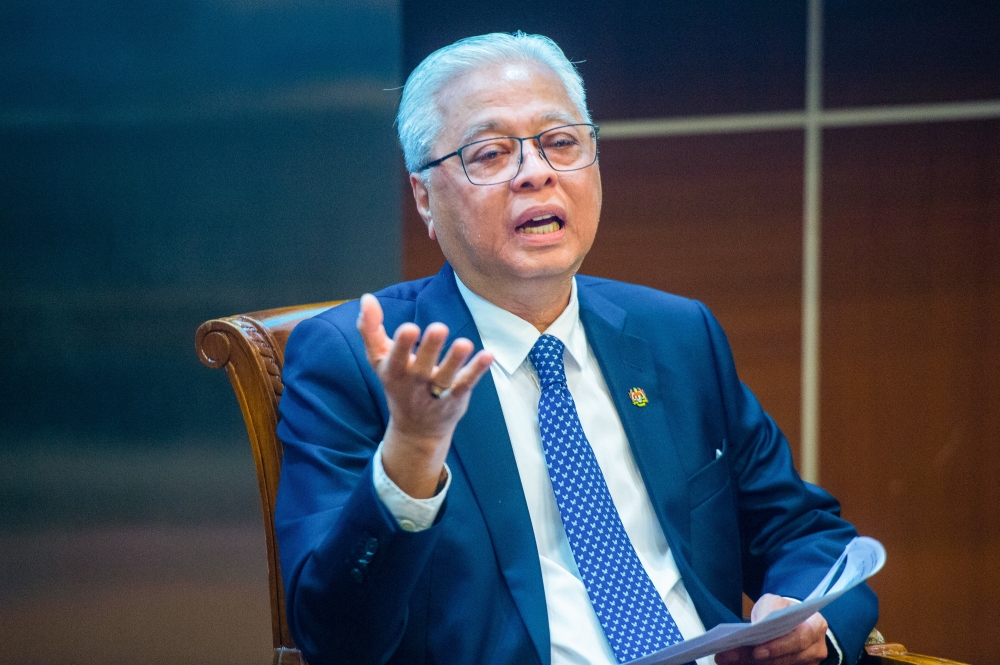
Former Prime Minister Datuk Seri Ismail Sabri Yaakob is recovering well following a successful pacemaker implantation procedure performed at the Institut Jantung Negara (IJN) in Kuala Lumpur. The cardiac intervention, which addresses rhythm irregularities requiring electronic cardiac support, marks a significant health development for the veteran politician who served as the country's 31st prime minister between 2021 and 2022.
The procedure, carried out by specialists at Malaysia's premier cardiac facility, has been completed without complications, with the former leader now reported to be in a stable condition. The IJN, renowned for its advanced cardiac care capabilities, remains one of Southeast Asia's leading heart centres and has successfully managed numerous high-profile cardiac cases over its operational history. This particular intervention reflects the increasing prevalence of cardiovascular conditions among Malaysia's ageing political class.
Pacemakers are electronic devices designed to regulate abnormal heart rhythms by delivering electrical impulses that prompt the heart to maintain a consistent and adequate beating pattern. The procedure typically involves surgically placing the device beneath the skin near the collarbone, with leads extending into the heart chambers. For patients experiencing bradycardia or irregular heart rhythms, such implants significantly enhance quality of life and reduce associated health risks. The success of Ismail Sabri's surgery underscores the advancement of cardiac intervention techniques available domestically.
The 65-year-old politician, who hails from Johor and represented Bera as a Member of Parliament, held the premiership during a period of considerable political turbulence and economic challenges following his predecessor's departure. His tenure witnessed efforts to stabilise the country's fractious political landscape and manage the pandemic's lingering economic consequences. Despite departing office relatively recently, Ismail Sabri has maintained a visible presence in parliamentary and party politics, continuing to contribute to policy discussions within UMNO, his political party.
Cardiovascular health issues among Malaysian politicians and public figures have become increasingly documented in recent years, reflecting both the physical demands of high-office positions and broader demographic trends toward non-communicable diseases. The successful management of such conditions demonstrates the value of Malaysia's healthcare infrastructure when deployed for acute interventions. The IJN's expertise in handling complex cardiac cases has positioned it as a trusted institution for politicians and citizens alike seeking specialised treatment.
The timing of Ismail Sabri's medical procedure arrives during a period when Malaysian politics continues navigating through ongoing coalition negotiations and parliamentary dynamics. His hospitalisation may prompt reflection among his political allies regarding succession planning and the institutional knowledge his generation possesses. The Umno veteran's recovery trajectory will be closely monitored by fellow party members and political observers tracking the movement of influential UMNO figures.
From a broader public health perspective, the former premier's experience highlights the critical importance of regular cardiovascular screening and early detection of rhythm abnormalities, particularly among individuals in demanding professional roles. Malaysian health authorities have increasingly emphasised preventive cardiology and risk factor management as essential components of national health strategy. Medical advances in device-based therapy have transformed the prognosis for patients previously facing significant limitations from cardiac arrhythmias.
The successful implantation also reflects the calibre of cardiac specialists within Malaysia's healthcare system, many of whom have trained internationally and brought world-class techniques back to domestic institutions. The IJN's track record of positive outcomes in complex procedures continues to enhance confidence in Malaysia's ability to provide comprehensive cardiac care without requiring overseas medical travel. This capacity remains an important component of the country's competitive advantages in regional healthcare provision.
Family and political associates have reportedly been keeping vigil and receiving regular updates on the former prime minister's condition. The outpouring of concern from within UMNO and the broader political community reflects the respect Ismail Sabri continues to command despite his relatively brief tenure at the highest office. Political networks across the coalition have expressed hopes for a swift and uncomplicated recovery, recognising his continuing relevance to internal party dynamics and parliamentary proceedings.
Looking forward, medical practitioners will monitor Ismail Sabri's rehabilitation period closely, with standard post-implantation protocols involving activity modification and scheduled follow-up assessments. Most pacemaker recipients return to essentially normal lifestyles after appropriate healing periods, though certain precautions regarding electromagnetic interference and physical activity intensity typically apply. The former minister's return to public-facing political activities will likely proceed incrementally as his recovery progresses.
The incident serves as a timely reminder that Malaysia's ageing political leadership increasingly faces health challenges requiring sophisticated medical intervention. The successful outcome of this procedure, managed within domestic healthcare facilities, demonstrates the country's readiness to manage even complex cardiac conditions effectively. As Malaysian politics continues its evolutionary trajectory, attention to the health and longevity of key political figures remains an inevitable consideration in broader discussions regarding institutional succession and generational transitions within major political parties.

