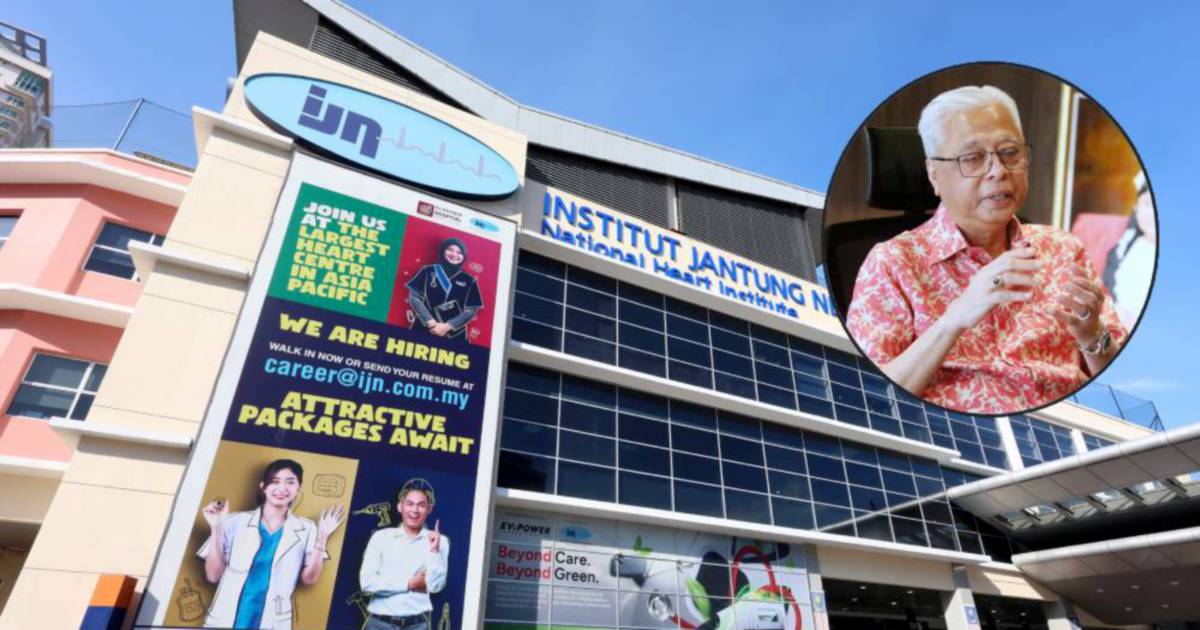
Former Prime Minister Datuk Seri Ismail Sabri Yaakob has successfully completed a leadless pacemaker implantation procedure at the National Heart Institute (IJN) in Kuala Lumpur, after being admitted for treatment of an abnormal heart rhythm condition. Medical staff at the facility confirmed the operation proceeded without complications, with the former leader now expected to make a full recovery during an extended rest period.
The implantation of a leadless pacemaker represents a significant advancement in cardiac device technology compared to traditional pacemaker systems. Unlike conventional models that rely on leads or wires extending from the device into the heart chamber, leadless pacemakers are self-contained units positioned directly within the heart itself. This innovative approach eliminates the need for subcutaneous tunnelling and reduces the risk of complications associated with lead displacement, fracture, or infection—concerns that have long troubled patients requiring long-term cardiac support.
Ismail Sabri's condition, characterised by irregular heartbeat patterns, necessitated intervention to regulate the organ's electrical impulses and maintain proper rhythm. Abnormal heart rhythms, medically termed arrhythmias, can range from merely bothersome sensations to potentially life-threatening episodes, particularly when accompanied by haemodynamic instability. The decision to implant a pacemaker indicated that his physicians determined the rhythm disturbance posed sufficient risk to warrant this permanent therapeutic measure.
The National Heart Institute, Malaysia's premier cardiac treatment facility, has established itself as a centre of excellence for complex cardiac procedures. Located in Kuala Lumpur's medical district, IJN serves not only Malaysia's population but also attracts patients from across Southeast Asia seeking advanced heart care. The institute's track record with leadless pacemaker implantation reflects the growing adoption of this technology throughout Asia's healthcare systems, driven by improved clinical outcomes and enhanced patient quality of life.
Leadless pacemakers have gained prominence in recent years as cardiologists have embraced their superior safety profile and longevity compared to traditional systems. The absence of transvenous leads substantially reduces infection rates, a persistent challenge in conventional pacemaker patients who face risks throughout the device's ten to fifteen-year operational lifespan. Additionally, leadless systems offer improved biocompatibility and reduce the cosmetic concerns some patients experience with traditional pacemakers, which create visible bulges beneath the collarbone.
The procedure typically takes between thirty and sixty minutes under local anaesthesia with mild sedation, allowing patients to return to normal activities relatively quickly. However, medical guidance uniformly recommends a recovery period involving restricted physical activity, lifting limitations, and gradual return to regular routines. Ismail Sabri's physicians have counselled him to prioritise rest and comply with post-operative restrictions to permit proper device integration and wound healing.
From a public health perspective, Ismail Sabri's cardiac condition underscores the increasing prevalence of cardiovascular disease among Malaysia's ageing population. As the nation develops economically, lifestyle factors including stress, sedentary behaviour, and dietary changes have contributed to rising heart disease rates. Prominent figures experiencing cardiac events serve as informal reminders of the importance of cardiovascular screening and risk factor management, potentially encouraging citizens to seek preventive care and medical consultation.
The former prime minister's medical situation also highlights the critical infrastructure investments Malaysia has made in specialised healthcare facilities. The capacity to perform advanced cardiac procedures domestically reduces patient dependency on international medical travel for complex treatments. This capability strengthens Malaysia's position as a regional healthcare hub and demonstrates the country's commitment to providing world-class medical services accessible to its citizens.
Ismail Sabri, who served as Malaysia's Prime Minister from August 2021 to October 2022, has remained involved in political activities since leaving office, serving in Parliament and contributing to party deliberations. His recovery from this procedure will likely extend his active participation in national affairs, as leadless pacemakers generally impose fewer lifestyle restrictions than traditional systems once the initial healing phase concludes. Political observers will monitor his return to public engagements as an indicator of his medical progress and continued capacity for parliamentary work.
The successful outcome reflects both advancing medical technology and the expertise of Malaysia's cardiac specialists. Leadless pacemaker implantation requires specialised training and sophisticated imaging techniques to ensure precise device positioning within the right ventricular apex. IJN's experience with such procedures, combined with the institution's commitment to staying current with international best practices, has positioned it to deliver consistently excellent results in this increasingly common intervention.
As Ismail Sabri begins his recuperation, his case exemplifies how modern cardiology offers substantial hope to patients with rhythm disorders that previously would have imposed severe lifestyle limitations. The procedure's success reinforces the importance of early detection and timely intervention in managing cardiac conditions, lessons that resonate throughout Malaysia's healthcare system as cardiologists continue advocating for greater public awareness of heart disease symptoms and the availability of life-enhancing treatments.

