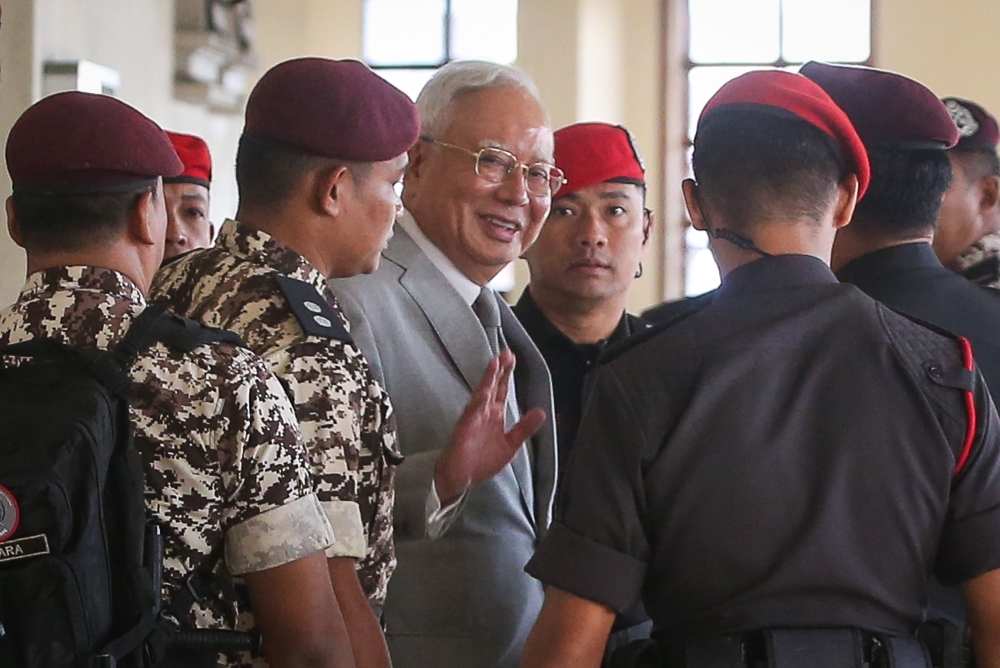
Former Prime Minister Datuk Seri Najib Razak will undergo a heart procedure at Serdang Hospital during the coming week, according to recent announcements. The intervention represents another chapter in the high-profile political figure's ongoing health management whilst he navigates multiple legal challenges and personal matters.
The procedure has been scheduled following medical assessments that determined the intervention was necessary. Serdang Hospital, one of Malaysia's leading teaching hospitals and a major tertiary medical centre in the Klang Valley, will serve as the venue for the cardiac treatment. The hospital operates under the Ministry of Health and maintains comprehensive cardiac care facilities including interventional cardiology departments equipped to handle complex cardiovascular cases.
Najib's health concerns have surfaced periodically over recent years, particularly as he has balanced his legal obligations with personal wellness. The timing of the procedure comes during a period when the former prime minister has maintained a relatively public profile despite facing substantial legal scrutiny related to the 1Malaysia Development Berhad (1MDB) scandal. His health matters have occasionally necessitated court adjournments and affected his participation in various proceedings, demonstrating how medical conditions can intersect with high-profile legal cases.
The cardiac intervention underscores broader questions about how political figures manage their personal welfare whilst under significant judicial and public pressure. For Malaysian observers, Najib's situation reflects the intersection of public accountability, legal process, and individual health circumstances. The former leader's case has remained prominent in national discourse since his administration ended in 2018, with various legal matters continuing to require his engagement with the court system.
From a healthcare perspective, the decision to conduct such procedures at a public hospital like Serdang demonstrates the continuing role of Malaysia's government medical infrastructure in serving even the most prominent citizens. The hospital's cardiac department has handled numerous complex cases and maintains international standards in interventional procedures, making it an appropriate facility for such treatment.
The procedure may affect Najib's schedule and commitments in the near term, potentially impacting court appearances or other obligations that require his personal presence. Legal proceedings involving former government officials often navigate around health issues and medical emergencies, with courts regularly granting adjournments to accommodate necessary medical treatment. This balance between judicial proceedings and personal welfare remains an ongoing consideration within Malaysia's legal system.
Najib's legal situation has evolved considerably since his departure from the Prime Minister's office. The investigations and prosecutions flowing from the 1MDB affair have resulted in multiple charges across different jurisdictions, with the former premier maintaining his innocence whilst proceeding through various stages of legal proceedings. His health has become a periodic factor in these ongoing matters, occasionally requiring schedule adjustments.
The announcement of the forthcoming procedure represents a moment of transparency regarding his personal circumstances. Whether prompted by voluntary disclosure or procedural requirement, the information demonstrates how closely intertwined public figures' personal lives become with broader public interest. For supporters and detractors alike, such developments inevitably draw scrutiny and commentary.
From a regional perspective, Malaysia's handling of high-profile political cases and the legal protections afforded to individuals irrespective of their former position reflects the country's commitment to institutional processes. The availability of quality medical facilities for all citizens, regardless of status, underscores the principle that healthcare access remains separate from political standing. This separation of medical treatment from political consequence represents an important aspect of rule of law in contemporary Malaysia.
The procedure at Serdang Hospital will likely proceed without significant controversy, as cardiac interventions represent routine medical care within Malaysia's healthcare system. However, given Najib's prominence, the event will inevitably receive media attention and public interest. Such attention reflects the ongoing fascination with how Malaysia's political transitions and associated legal processes continue to affect major figures from the previous administration.
Looking forward, successful completion of the procedure would allow Najib to continue his engagement with ongoing legal matters and public activities. The timing and execution of such healthcare interventions for prominent individuals always carries implications for their broader legal and personal circumstances. For those following Malaysian politics closely, the development serves as another reminder of how public life and personal welfare remain inextricably linked for political figures at the highest levels.
The episode also reflects Malaysia's evolving relationship with accountability and transition from prior political eras. Whilst legal proceedings continue, the human element—including health considerations—remains part of the broader narrative. As the former premier addresses his medical needs through the public healthcare system, these matters will likely continue intersecting with his legal obligations and public profile, maintaining him prominently within Malaysian discourse.

