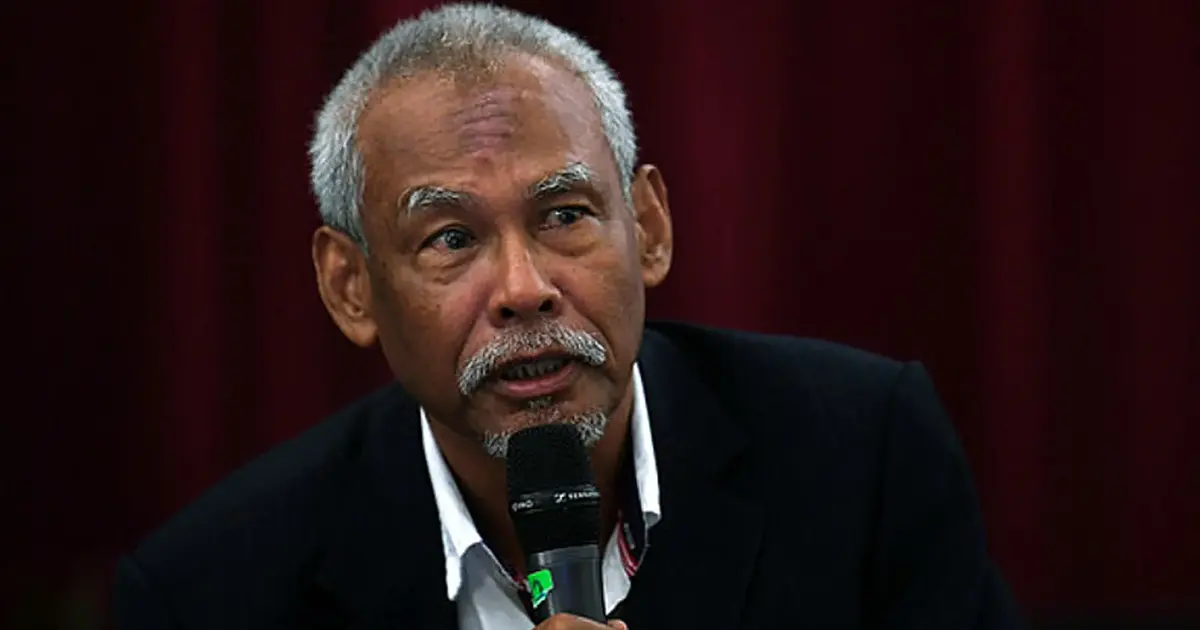
Malaysia's apex court has dealt a significant blow to former Inspector-General of Police Musa Hassan by dismissing his application for a judicial review of a defamation lawsuit brought against him. The top court determined that the nine substantive legal questions Musa Hassan had submitted—centring on the constitutional rights of public officers to pursue defamation claims and the scope of freedom of expression protections—did not meet the threshold for court reconsideration, effectively closing a major avenue for his legal challenge.
The case centres on allegations made by Hannah Yeoh, a prominent public figure and former Selangor state assembly speaker, who accused Musa Hassan of making defamatory statements against her. The lawsuit has drawn considerable public attention given the profiles of both parties involved and the significant legal principles at stake. Musa Hassan's legal team had sought to have the matter reheard by arguing that several constitutional and common law questions required clarification before proceeding with the defamation case itself.
These nine questions raised by Musa Hassan's legal representatives touched on fundamental issues within Malaysian constitutional law and jurisprudence. They queried whether public office holders retain the same legal remedies as private citizens when their reputations are damaged, and the extent to which public interest and freedom of speech considerations limit a public official's ability to pursue defamation suits. Such questions have broader implications for media freedom, parliamentary speech protections, and the balance between individual reputation rights and public discourse in a democracy.
The apex court's rejection suggests that existing legal frameworks within Malaysian jurisprudence already adequately address these concerns, or that the specific formulations of Musa Hassan's questions fell outside the scope of matters warranting intervention at that level. This determination carries implications for how future cases involving public figures and defamation claims will be handled, potentially setting a precedent that such figures must proceed through conventional legal channels rather than seeking to establish new constitutional interpretations first.
For Malaysia's media landscape and civil society, the ruling presents a complex picture. On one hand, the decision prevents a potentially expansive interpretation of public officials' defamation rights that might have complicated journalists' and commentators' ability to scrutinise those in power. On the other hand, it affirms that even high-ranking former government officials must prove their allegations in court rather than having cases dismissed on jurisdictional or constitutional grounds beforehand. The outcome suggests the courts favour resolving such disputes on their substantive merits rather than through preliminary legal technicalities.
The significance of the Hannah Yeoh defamation case extends beyond the immediate parties involved. It represents one of several high-profile legal disputes involving prominent Malaysian political and public figures in recent years, reflecting broader societal tensions over accountability, reputation, and the limits of permissible public speech. The judicial handling of such cases sends important signals about the relationship between political actors, media institutions, and the courts in Malaysia's democratic framework.
Musa Hassan's legal position has now shifted considerably. Without the possibility of securing a review on the constitutional and legal principle questions, his defence strategy in the actual defamation proceedings must now focus on the substantive merits of Hannah Yeoh's allegations. This may require demonstrating that the statements he allegedly made were factually accurate, constituted fair comment on matters of public interest, or were otherwise protected under established defamation law doctrines. The legal burden now falls on conventional arguments rather than on attempts to reshape the legal landscape itself.
For the broader Malaysian legal community, the apex court's decision reflects a judicial philosophy emphasising the efficient resolution of disputes through existing legal structures. The court's implicit message—that nine questions about public law principles did not justify stepping outside normal procedural pathways—suggests a preference for allowing lower courts to apply established law while preserving the apex court's capacity for intervention in genuinely novel or fundamental constitutional matters.
The implications for public figures and freedom of expression in Malaysia deserve careful analysis. The ruling preserves the right of defamed individuals to seek legal redress while maintaining the principle that such claims must survive conventional legal scrutiny. Media organisations and commentators will likely view this outcome favourably, as it prevents the establishment of heightened constitutional protections for public officials' defamation claims that could have been used to suppress legitimate reporting.
The dismissal of Musa Hassan's review application now sets the stage for the substantive defamation hearing to proceed. Both parties will present their evidence and arguments regarding the truthfulness and nature of the statements at issue, the identity and status of the persons defamed, the damages sustained, and any applicable defences. This conventional litigation path will ultimately determine whether Musa Hassan's statements constituted actionable defamation or were protected expression.
As the case moves forward, observers across Malaysian politics, journalism, and legal circles will monitor developments carefully. The ultimate resolution will likely influence how future defamation disputes involving public figures are litigated and whether the courts continue to resist attempts by high-ranking individuals to establish special legal standards or exemptions applicable to themselves.

