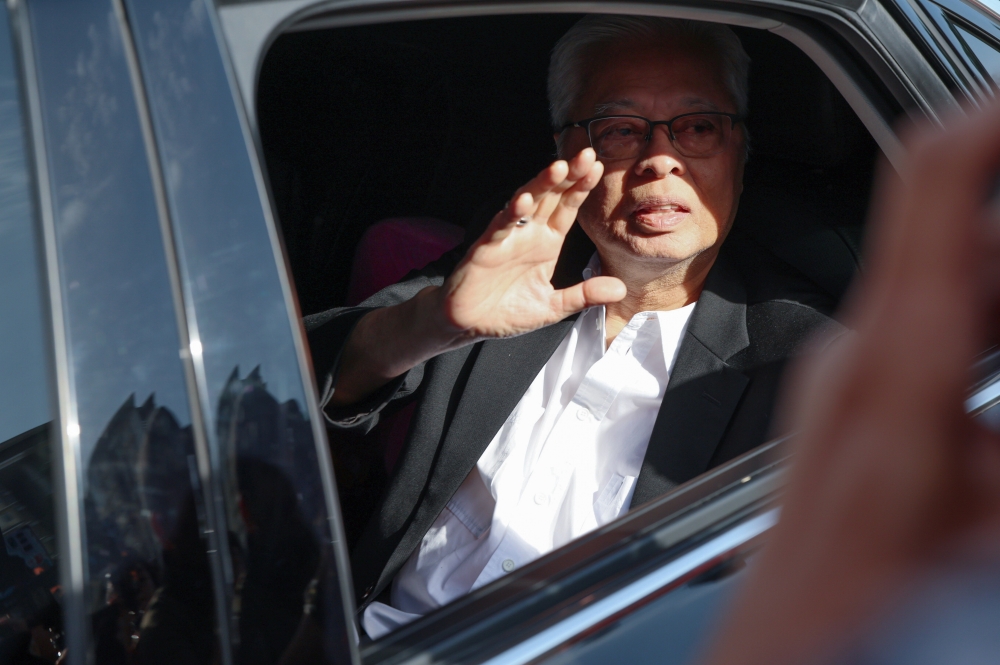
Former Prime Minister Datuk Seri Ismail Sabri Yaakob will appear before the Kuala Lumpur Sessions Court on August 7 to face formal charges, the latest chapter in a series of legal proceedings that have touched the country's highest political offices in recent years.
The proceedings mark another significant moment in Malaysia's evolving accountability landscape, where senior political figures have increasingly found themselves navigating the judicial system. The appearance at KL Sessions Court underscores the scope of ongoing investigations into various matters affecting members of the political establishment, reflecting continued scrutiny from enforcement agencies.
Ismail Sabri's tenure as Prime Minister from August 2021 to November 2022 represented a brief period of leadership that came during a particularly turbulent time in Malaysian politics. His premiership followed the collapse of the Perikatan Nasional government and preceded the return of Pakatan Harapan to power, positioning his term as a transitional phase between distinct political eras. The circumstances surrounding his leadership and subsequent legal challenges have formed part of Malaysia's broader political narrative over the past two years.
The charges being prepared against him represent the culmination of investigation processes that have likely extended over considerable periods. Such legal proceedings typically involve extensive documentation, witness statements, and procedural steps before formal charges reach the courtroom stage, suggesting that relevant authorities have completed preliminary inquiries into the matters in question.
For Malaysian observers of political accountability, this development carries particular significance given the profile of the individual involved. Appearances by former heads of government before the courts represent notable inflection points in any nation's democratic journey, serving as indicators of institutional independence and the extent to which legal frameworks apply uniformly across society's hierarchies.
The timing of these charges arrives amid ongoing broader discussions within Malaysian political circles about governance standards, transparency mechanisms, and the appropriate boundaries for official conduct. These conversations have gained particular prominence in recent years as the country has grappled with institutional reform efforts and attempts to strengthen public trust in governance systems.
From a Southeast Asian perspective, Malaysia's handling of high-level political accountability matters carries implications that extend beyond national borders. Regional observers frequently assess how countries manage transitions of power and subsequent legal proceedings involving former leaders as indicators of institutional maturity and the genuine entrenchment of rule-of-law principles. The proceedings involving Ismail Sabri will likely draw attention from policymakers and civil society across the region.
The appearance at Sessions Court level suggests that the charges represent serious allegations requiring substantive court proceedings rather than lower-tier judicial handling. The Sessions Court in Kuala Lumpur regularly manages significant cases, and the assignment of this matter to that venue indicates the gravity authorities attach to the proceedings.
For political observers, the immediate question centres on the specific nature of the charges and their potential repercussions for Malaysia's political landscape. Understanding these details will require careful attention to court proceedings and official statements, which should provide clarity on the allegations and their factual foundations.
The broader implications for Malaysia's political ecosystem warrant consideration as well. Legal proceedings involving former prime ministers inevitably generate public discourse about political stability, institutional credibility, and the balance between accountability and political continuity. These dynamics have occupied significant space within Malaysian political commentary throughout 2023 and into 2024.
As the nation continues navigating questions of governance standards and institutional reform, the appearance of high-profile political figures before the courts remains a pivotal test of whether Malaysia's legal systems function consistently regardless of an individual's former position or current political influence. How these proceedings unfold may shape perceptions of judicial independence and the genuine application of accountability measures across different segments of society.
The August 7 appearance represents merely the initial stage of legal processes that may extend considerably. Court appearances, preliminary hearings, evidence presentations, and potential appeals could occupy courtroom schedules over extended periods, maintaining the matter's prominence in Malaysian political discourse throughout coming months.

