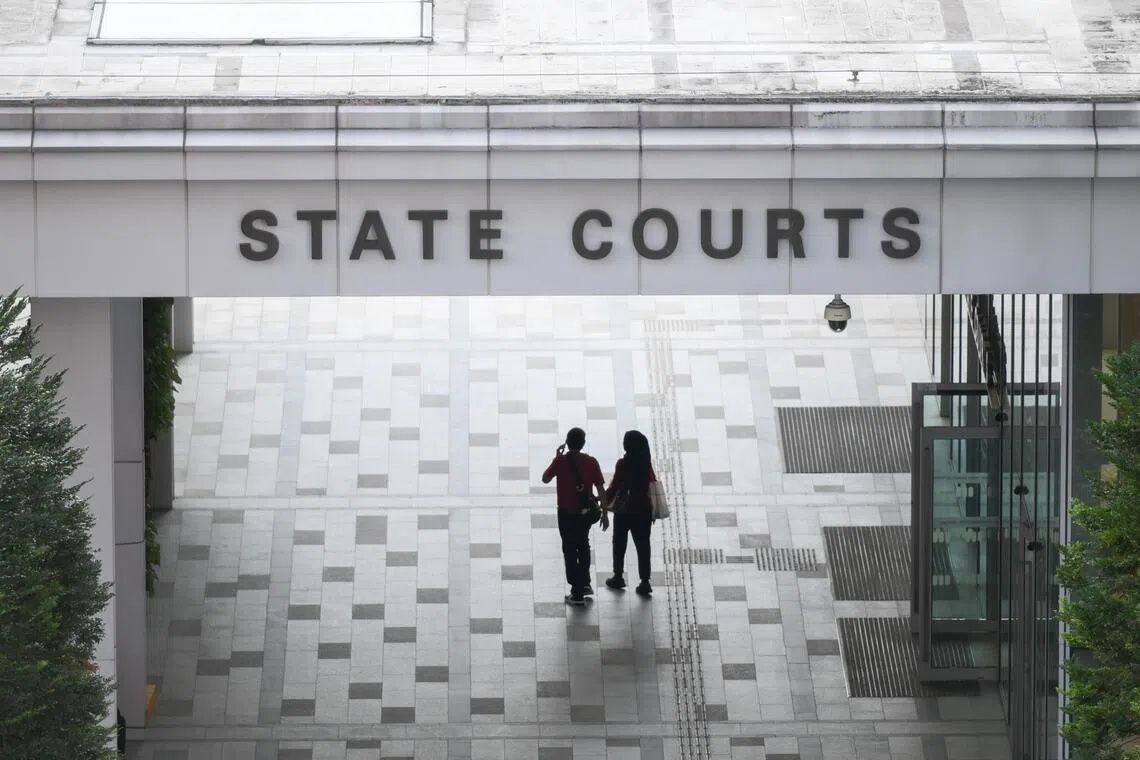
A former branch manager at a Singapore bank is scheduled to appear in court Wednesday facing serious charges related to the alleged theft of nearly S$1.8 million from the institution's vault during her tenure between May 2021 and August 2022. The 65-year-old woman's case has drawn attention to vulnerabilities in banking oversight and the potential for high-ranking employees to exploit positions of trust for personal enrichment.
According to police statements, the woman misappropriated S$1,729,000 while serving as branch manager, diverting the funds toward clearing personal loans and financing gambling pursuits. To conceal the thefts from internal audits and regulatory scrutiny, she systematically altered the bank's cash book records on more than 200 separate occasions, creating a false paper trail that masked the missing funds. Such falsification of financial records compounds the severity of the alleged offense, as it demonstrates premeditation and sustained effort to evade detection.
Investigators uncovered that the suspect channeled the majority of stolen money to a 36-year-old accomplice, who appears to have served as an intermediary in converting the illicit funds into gambling transactions. Between December 2021 and September 2022, this second woman cashed in S$1,521,509 across licensed Singapore casinos while simultaneously transferring S$790,106 to multiple third-party bank accounts connected to illegal remote gambling operators. The dual pathway—moving funds through both regulated and unregulated gambling venues—suggests deliberate strategy to obscure the money trail and exploit different platforms for capital movement.
The former bank manager herself placed S$42,405 in local casinos, indicating direct participation in gambling activities rather than purely facilitating another person's vice. The disparity between the amounts gambled by each party is striking: while the accomplice wagered substantial sums at casinos and on illicit platforms, the suspect's own casino bets were comparatively modest. This imbalance raises questions about whether the principal architect of the scheme was primarily seeking to fund a third party's addiction or whether personal financial pressures drove the initial theft.
The charges filed against the former branch manager encompass two counts of criminal breach of trust by a fiduciary employee, two counts of falsifying company accounts, three counts of transferring proceeds from criminal conduct, and one count of using benefits derived from crime. These consolidated charges reflect the multifaceted nature of her alleged wrongdoing, stacking offenses that prosecutors believe demonstrate both dishonesty and financial misconduct. Conviction on all counts carries a maximum penalty of 15 years imprisonment, a fine not exceeding S$500,000, or both—reflecting judicial recognition of the gravity with which Singapore treats breaches of fiduciary duty by financial sector insiders.
The 36-year-old accomplice faces separate charges including three counts for using criminal proceeds and one count related to participation in illegal remote gambling operations. Her potential sentence reaches 10 years imprisonment and fines up to S$500,000, acknowledging her role as secondary in the conspiracy but recognizing that she knowingly received and utilized stolen funds. The existence of illegal remote gambling platforms, which appear to have accepted S$790,106 in transfers, also highlights the persistent challenge Singapore authorities face in combating offshore betting operations that circumvent local restrictions.
Singapore's police force has issued statements emphasizing their commitment to prosecuting breaches of trust by persons in positions of authority, framing such crimes as particularly damaging to institutional credibility and public confidence. Officials note that embezzlement by bank employees—figures entrusted to safeguard depositor assets—strikes at the foundation of financial system integrity. The case underscores how corporate governance frameworks, despite layers of internal controls and audit mechanisms, can be circumvented by determined individuals with systems access and authority to authorize transactions or alter records.
The implications for Southeast Asia's broader banking sector are significant. Singapore maintains one of the region's most sophisticated financial regulatory environments, yet this case demonstrates that technological controls and organizational oversight protocols cannot eliminate human culpability entirely. Malaysian banks and financial institutions operating in similar regulatory contexts should examine whether comparable vulnerabilities exist in their own cash management procedures, record-keeping systems, and employee vetting processes. The near-complete exploitation over 16 months suggests that routine internal audits failed to identify irregularities in real time, pointing toward potential gaps in continuous monitoring systems.
The gambling dimension of this case also merits scrutiny within the Malaysian context, where similar tensions exist between regulated casino operations and illegal betting platforms. The alleged movement of stolen funds through both licensed casinos and clandestine remote gambling sites indicates how perpetrators exploit the coexistence of legal and illicit gambling markets to launder money while obscuring patterns of activity. For Malaysian authorities and financial institutions, the case presents a cautionary example of how insider theft becomes exponentially more harmful when proceeds are systematized through gambling channels that themselves involve criminal networks.
Corporate governance specialists have noted that this case exemplifies a category of financial crime difficult to prevent through purely technical means. While Singapore has invested heavily in banking technology and compliance infrastructure, the crime required only insider access and the determination to falsify records—resources available to any long-serving employee with appropriate system permissions. Malaysian banks implementing similar internal control frameworks should recognize that preventing such incidents demands cultural transformation regarding fraud reporting, whistleblower protections, and the frequency of forensic audits targeting patterns rather than transactions.
The former manager's decision to involve another party in utilizing the stolen funds may reflect either personal risk aversion—delegating casino transactions to minimize her own exposure—or possibly coercion or manipulation by the accomplice. Investigators will likely examine communications between the two women, financial records tracing fund movements, and casino surveillance footage to establish the precise nature of their relationship and whether the scheme originated with the bank employee or was orchestrated by the younger woman who served as primary beneficiary of gambling proceeds.
As proceedings move toward trial, the case will set precedent regarding how Singapore courts evaluate conspiracy charges involving financial institutions, assess the culpability of intermediaries in criminal schemes, and assign penalties reflecting both individual wrongdoing and systemic failure. The outcome will inform how regional financial regulators recalibrate employee oversight policies and deposit protection mechanisms, ultimately affecting how Malaysian and other Southeast Asian banks structure their internal control environments and risk management protocols for high-authority personnel.

