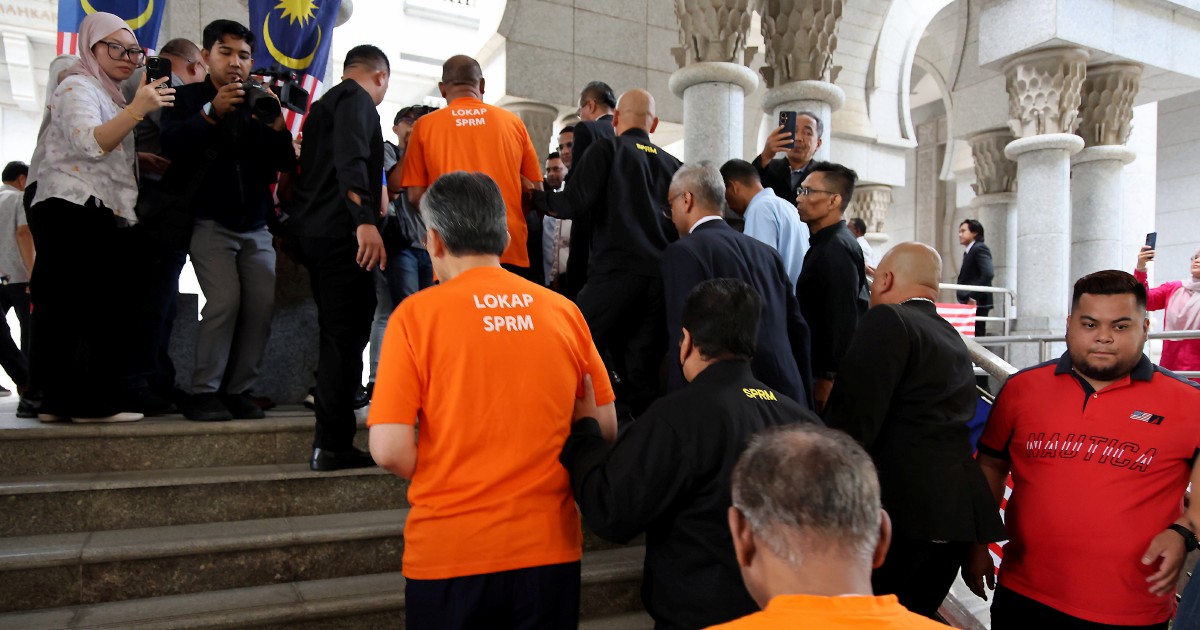
The Malaysian Anti-Corruption Commission secured a four-day remand extension on the former chief executive of Tabung Haji in Putrajaya today, signalling the intensification of investigations into the pilgrimage fund's operations. The development marks a significant escalation in the agency's scrutiny of the institution, which holds immense religious and financial importance for Malaysia's Muslim population.
Tabung Haji, formally known as the Pilgrimage Fund Board, functions as a crucial savings and investment vehicle for Malaysian Muslims preparing for their Hajj pilgrimage to Mecca. The fund operates under a dual mandate of safeguarding depositors' savings whilst facilitating one of Islam's five pillars. Any governance lapses or financial irregularities at the institution carry profound implications for millions of Malaysian families whose religious aspirations and life savings depend on the fund's integrity.
The remand extension reflects the MACC's determination to pursue a comprehensive investigation into matters flagged by a Royal Commission of Inquiry established to examine Tabung Haji's operations. The RCI's mandate encompassed investigating allegations spanning management practices, investment decisions, and financial stewardship within the organisation. The emergence of an RCI into Tabung Haji's affairs had already indicated serious concerns at the highest levels of governance requiring formal examination.
The extended detention allows investigators additional time to conduct interviews, examine documentation, and cross-reference financial records pertaining to the former chief executive's tenure. Such extensions are typically sought when authorities believe further questioning will yield material evidence or clarify critical aspects of their investigation. The MACC's pursuit of successive remand periods underscores the complexity of the matters under examination and suggests multiple lines of inquiry remain unresolved.
Tabung Haji has faced mounting scrutiny in recent years over its investment performance, particularly concerning its exposure to declining asset values and questioned strategic decisions. The fund's role as custodian of Muslims' Hajj savings places it under heightened public accountability. Any irregularities in its management directly affect the ability of depositors to realise their religious obligations and financial security in retirement years.
The involvement of a Royal Commission of Inquiry represents an extraordinary measure in Malaysia's governance framework, deployed when circumstances demand independent, formal investigation into matters of significant public concern. The RCI's establishment signalled recognition by government leadership that institutional failures or misconduct at Tabung Haji warranted systematic, impartial examination beyond normal oversight mechanisms. The translation of RCI findings into MACC prosecutorial action demonstrates the seriousness with which authorities are treating the investigation.
For Malaysian Muslims and Tabung Haji depositors, the remand extension carries both reassuring and concerning dimensions. The aggressive investigation signals determination to establish accountability and restore public confidence in an institution holding roughly 1.5 million depositors' funds. Conversely, the formal detention of executive leadership underscores genuine institutional problems requiring rectification. Public confidence in Tabung Haji depends substantially on transparent investigation and credible remedial action addressing root causes.
The case touches broader governance issues relevant throughout Malaysia's public and quasi-public institutions. Questions of accountability, investment prudence, and fiduciary responsibility resonate across numerous organisations holding public assets or managing critical services. The MACC's thoroughness in investigating Tabung Haji potentially establishes standards for institutional accountability elsewhere in the Malaysian bureaucratic and corporate ecosystem.
Investigations of this scale typically require extensive documentary analysis, examination of transaction records spanning multiple years, and testimony from numerous witnesses with knowledge of decision-making processes. The former chief executive's continued detention facilitates coordination of investigative activities and prevents potential obstruction through witness contact or document tampering. The four-day extension period provides investigators a focused timeframe to pursue specific lines of questioning identified during earlier remand periods.
The broader context of this investigation reflects Malaysia's continuing efforts to strengthen anti-corruption mechanisms and restore institutional integrity following the 1Malaysia Development Berhad scandal, which exposed weaknesses in oversight and accountability frameworks. Public institutions managing significant assets now face elevated scrutiny, with the MACC empowered and motivated to pursue investigations into governance lapses with greater determination than in previous years.
As the investigation progresses, outcomes will likely influence how Tabung Haji restructures its governance arrangements, investment strategy, and accountability mechanisms. The fund's leadership and board will inevitably face questions about organisational culture, decision-making processes, and internal controls that may have permitted the circumstances now under investigation. Future stewardship of Tabung Haji will almost certainly reflect lessons learned from this episode.

