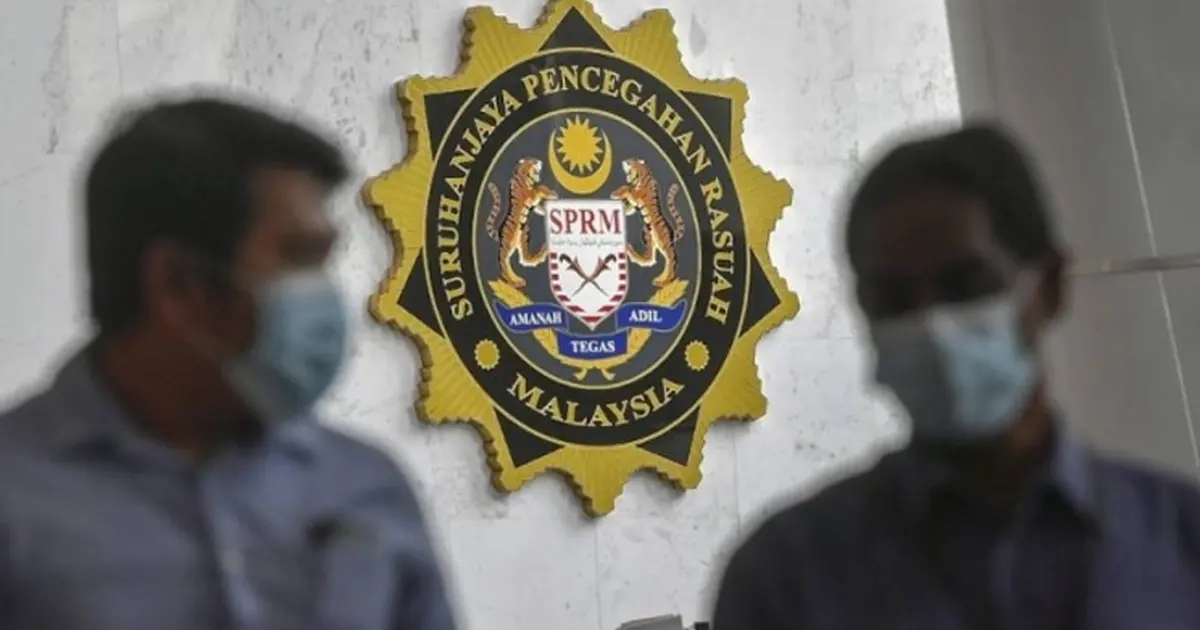
The Malaysian Anti-Corruption Commission (MACC) has subjected a former chief financial officer of Tabung Haji to another seven hours of intensive questioning as its investigation into the statutory pilgrimage fund intensifies. The extended interrogation underscores the breadth and complexity of the graft allegations that have engulfed the institution in recent months, drawing scrutiny to financial management practices at one of Malaysia's most significant religious and social institutions.
The former senior financial official's return for further questioning reflects the multi-layered nature of the investigation being conducted by MACC. Rather than concluding its initial line of inquiry, the anti-corruption agency has determined that additional clarification is necessary on matters already touched upon or newly uncovered during ongoing interviews. This pattern of prolonged and repeated questioning typically indicates investigators are building a comprehensive understanding of financial transactions, approval processes, and decision-making chains within the organization.
Tabung Haji, which manages savings and investments for Malaysian Muslims intending to perform the hajj pilgrimage, holds assets totalling billions of ringgit and administers programmes that affect hundreds of thousands of Malaysians annually. The scale of the institution's operations and its custodial role make any allegations of mismanagement or financial impropriety particularly sensitive, affecting both public trust in the fund and confidence in how religious endowment bodies are governed across the nation.
The decision to continue interrogating the former CFO suggests MACC has identified areas requiring deeper examination or cross-verification. Financial investigations of this magnitude often proceed methodically through layers of documentation, transaction records, and testimony. The extended questioning period allows investigators to test the consistency of statements, explore new leads that emerge during interviews, and clarify discrepancies that may appear when comparing different versions of events or documentation.
For Malaysian readers, the Tabung Haji investigation carries particular weight given the organization's role in facilitating what many consider a religious obligation. Concerns about fund mismanagement resonate beyond financial circles, touching upon questions of institutional integrity and stewardship of public resources entrusted to organizations with religious and social mandates. The credibility of such bodies depends significantly on transparent operations and swift accountability when irregularities are suspected.
The involvement of MACC in this matter reflects the seriousness with which Malaysian authorities are treating the allegations. As the primary agency responsible for combating corruption across government and statutory bodies, MACC's extended investigation indicates that preliminary findings have satisfied the threshold for detailed examination. The agency's commitment to prolonged questioning rather than quick conclusions signals that investigators believe substantive matters warrant thorough investigation.
The timing and conduct of such interrogations also carry procedural significance. Extended questioning sessions require formal legal frameworks ensuring the rights of the person being questioned are protected while enabling investigators to conduct thorough inquiries. The decision to resume questioning tomorrow rather than conclude suggests MACC has identified specific areas requiring clarification or additional evidence that only the former officer can provide.
For the broader Malaysian business and governance landscape, the Tabung Haji investigation serves as a reminder that even large, established institutions with specific religious or social mandates are subject to the same anti-corruption scrutiny as other entities. This signals to executives and administrators across statutory bodies that financial irregularities, regardless of institutional context, will be investigated with rigour and persistence.
The investigation also highlights the importance of strong internal controls and governance structures within public and quasi-public institutions. Tabung Haji, like other statutory bodies managing public resources, operates within a framework designed to prevent misuse of funds and ensure transparent decision-making. When such mechanisms are suspected of failing, the consequences extend beyond individual accountability to encompass institutional reform and restructuring.
As MACC prepares to resume its questioning tomorrow, observers will be watching closely for indications of where the investigation is heading. The extended nature of questioning often presages more significant developments, whether in terms of expanded investigations, additional persons of interest, or formal charges. The investigation's trajectory will likely influence how other statutory bodies approach their own governance reviews and internal controls.
The broader context of this investigation matters for regional observers as well. Southeast Asian nations have increasingly focused on strengthening anti-corruption frameworks within government and public institutions. Malaysia's robust approach to investigating potential irregularities at the statutory body level demonstrates commitment to institutional accountability, though implementation and consistency remain areas of ongoing debate among governance watchers.
The coming days will prove significant as MACC resumes its formal statement-taking process. The questioning of high-ranking financial officers in major institutions typically precedes more extensive investigations involving other personnel and organizational units. How thoroughly and fairly this inquiry proceeds will send important signals about Malaysia's willingness to pursue accountability at all levels of public institutions.

