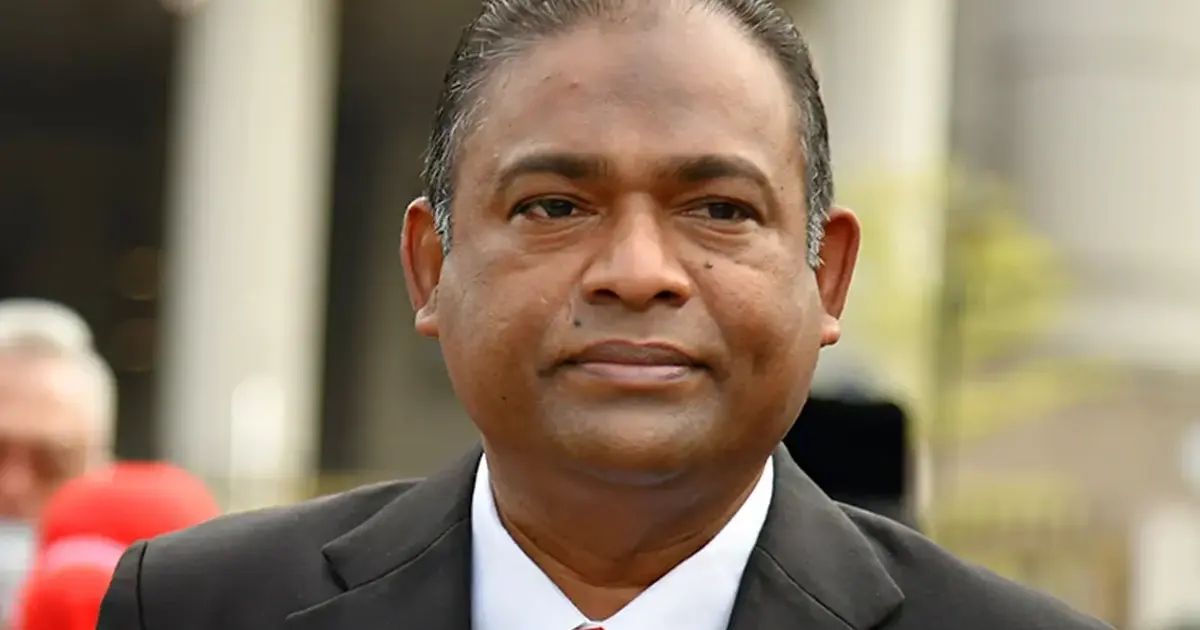
Rumours of the arrest of Abdul Azeez Abdul Rahim, the former chairman of Tabung Haji and one-time Member of Parliament for Baling, have been circulating widely across social media platforms since the previous evening, prompting swift denial from his family. The speculation triggered significant online discussion and concern among political observers tracking governance issues within Malaysia's pilgrimage fund management sector, an institution that has faced considerable scrutiny in recent years over its financial stewardship and investment decisions.
The family's immediate response underscores the volatile nature of social media discourse in Malaysia, where unverified claims about public figures can rapidly gain traction and shape public perception before official clarity is provided. Such incidents are not uncommon in the Malaysian political landscape, where allegations concerning financial impropriety at government-linked institutions frequently surface and demand swift clarification from those affected. The speed at which false information spreads has become an ongoing challenge for both public figures and enforcement agencies seeking to maintain accurate public understanding of their activities.
Tabung Haji itself has been the subject of intensive public and parliamentary scrutiny over its management practices and the performance of its investment portfolio. The institution, which administers funds for over 9 million Malaysian Muslims preparing for the Hajj pilgrimage, operates under significant public trust expectations. Any suggestion of misconduct involving current or former leadership figures naturally triggers heightened interest among both Islamic organisation stakeholders and the broader Malaysian public invested in transparent governance of religious endowment institutions.
Abdul Azeez's tenure as chairman coincided with a period when Tabung Haji's financial performance came under question, with reported losses and investment concerns becoming matters of public debate. The fund's management has faced calls for greater accountability and reform, with various stakeholders advocating for improved governance structures and clearer reporting mechanisms. His subsequent departure from the position reflected broader efforts to address institutional weaknesses and restore confidence among contributors who depend on the organisation for their savings and pilgrimage support.
The Malaysian Anti-Corruption Commission has intensified its focus on government-linked companies and statutory bodies in recent years, investigating numerous cases involving allegations of financial misconduct, breach of fiduciary duties, and misappropriation of public assets. This heightened enforcement activity has created an environment where arrest speculation concerning former public sector leaders circulates more readily, as citizens become more aware of corruption investigations across various institutions. The MACC's visible investigative operations have simultaneously raised expectations for accountability while creating conditions where unconfirmed arrest claims gain credibility through association with the agency's actual work.
The denial from Abdul Azeez's son serves to temporarily dampen the social media narrative, yet such episodes reveal persistent information gaps between official channels and public perception. In Malaysia's digital information ecosystem, where Facebook, WhatsApp, and other platforms serve as primary news sources for millions, the interval between initial claim and authoritative correction creates opportunities for misinformation to entrench itself. This challenge has prompted calls from government and civil society for improved communication strategies and media literacy initiatives.
Family interventions in response to arrest rumours have become a recurring feature of Malaysian public life, particularly when figures with political connections or government involvement face allegations. The timing and nature of such denials often become subjects of analysis in themselves, as observers assess whether official clarification will follow from law enforcement agencies or government authorities. The absence of immediate confirmation or denial from relevant agencies can paradoxically amplify speculation, leaving space for multiple interpretations of an individual's status.
For former elected representatives like Abdul Azeez, who represented Baling in Parliament and subsequently held significant institutional positions, the line between public and private life remains permeable in the Malaysian context. Their prior service in public office means actions from their various roles remain subject to potential investigation and public scrutiny long after they depart their positions. This extended accountability cycle reflects evolving expectations around governance standards, though it also creates conditions where speculation about former officials can flourish in the absence of clear institutional communication.
The incident highlights ongoing tensions between rapid digital communication, institutional accountability mechanisms, and the public's legitimate interest in transparency regarding governance. While social media enables Malaysian citizens to engage in real-time discussion of public affairs, it simultaneously amplifies unverified claims that can damage reputations and obscure genuine accountability questions. Going forward, both public institutions and former office holders may benefit from proactive communication strategies that address substantive governance questions directly, rather than allowing speculation to drive the narrative around institutional leadership and performance.

