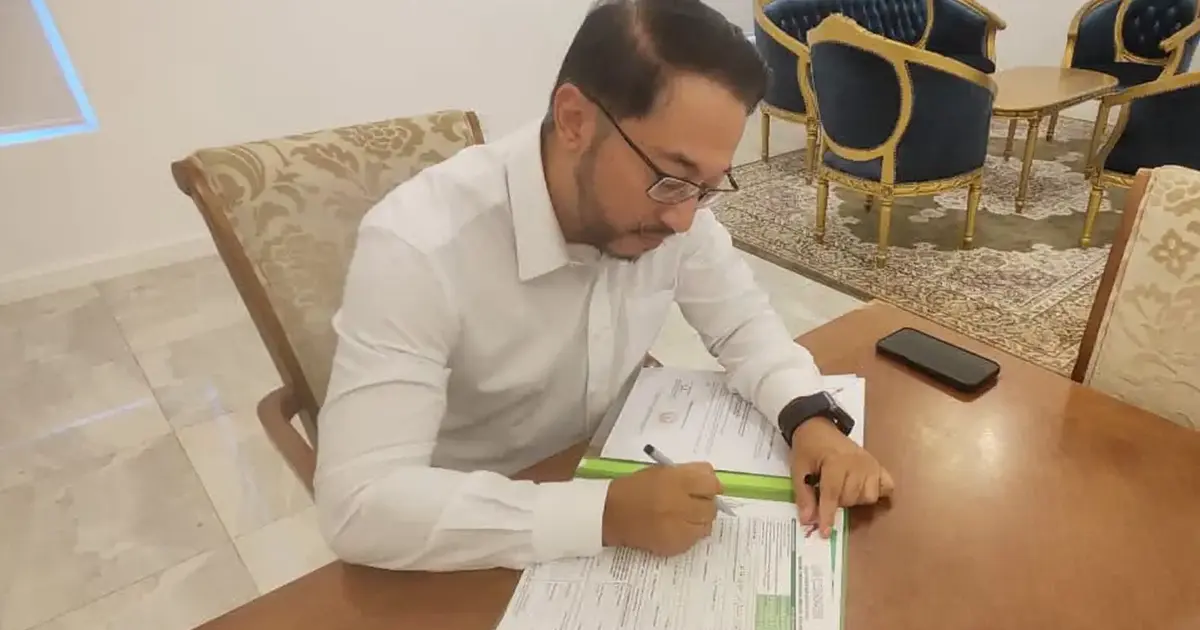
A prominent former Umno official has formally applied for membership in PAS, signalling another defection from the weakened Malay-Muslim party to its rival Islamist organisation. Isham Jalil, who previously served on Umno's Supreme Council, submitted his application citing his conviction that PAS operates free from the corruption that he believes has plagued his former party.
This move reflects a broader pattern of senior figures reassessing their political futures as Umno grapples with ongoing internal crises and leadership instability. The departure of high-ranking members to competing parties, particularly to PAS, has become increasingly common in recent years, creating a significant structural challenge to Umno's traditionally dominant position in Malaysian politics. Each defection carries symbolic weight, as these individuals often command considerable grassroots support and organisational networks that transfer along with them.
Isham Jalil's application represents more than a simple party-switching calculation. His emphasis on corruption as the decisive factor reflects a narrative that has gained traction among disaffected Umno members who view their party as compromised by years of scandal, investigations, and perceived mismanagement. This perception, whether entirely accurate or not, has fundamentally altered the party's appeal to ambitious politicians who might previously have seen Umno as an unquestionable pathway to power and influence.
PAS has positioned itself as the ethical alternative to its secular-leaning rivals and to a supposedly tainted Umno. The party's appeal to defectors like Isham Jalil rests partly on its Islamic credentials and partly on its cultivated image as organisationally disciplined and less susceptible to the scandals that have damaged Umno's reputation. Whether this perception withstands scrutiny is debatable, but in Malaysian politics, perception often matters as much as reality when politicians assess where their interests lie.
The timing of this application carries political significance. Malaysian politics remains in flux following the 2022 general election, which produced a fragmented parliament and the formation of an unprecedented unity government. Within this unstable environment, parties have actively recruited high-profile figures from rival organisations, attempting to consolidate bases and prepare for potential future electoral contests. Each successful recruitment strengthens one coalition and weakens another, shifting the underlying balance of parliamentary arithmetic.
Umno's weakened position has made it vulnerable to poaching. Once the unassailable centrepiece of Malay-Muslim politics, the party has haemorrhaged members, faced criminal investigations into its finances and leadership, and struggled to articulate a compelling vision for its future. Younger and ambitious politicians increasingly question whether Umno remains a viable vehicle for their aspirations, while longer-serving figures like Isham Jalil reconsider whether their remaining tenure there offers declining returns on their political investment.
For PAS, accepting high-profile defectors from Umno represents a strategic gain. Each such figure brings not merely their individual network but also implicit validation that Umno is in terminal decline. The symbolism of senior Umno members voluntarily seeking refuge in PAS provides tangible evidence of the party's claim to represent a superior alternative for Muslim-majority Malaysia. Such acquisitions contribute to a narrative of inevitable Islamist political ascendancy that PAS cultivates through media and grassroots messaging.
The implications for Malaysian politics extend beyond inter-party competition. Umno's continuing loss of senior talent and grassroots confidence undermines the party that has governed Malaysia for most of its independent existence. The party's organisational strength and vast machinery, though still formidable, face genuine questions about sustainability if defections accelerate and institutional morale continues deteriorating. Conversely, a stronger PAS could reshape coalition dynamics and influence how Islamic governance principles are implemented across federal and state levels.
Regionally, these shifts matter beyond Malaysia itself. PAS's growing strength within Malaysian politics influences how the country positions itself on religious and Islamic issues across Southeast Asia. A PAS-aligned government would likely adjust Malaysia's diplomatic posture and domestic policies in ways that neighbouring countries, particularly those with significant Muslim populations, would carefully monitor. The trajectory of intra-Umno-PAS competition thus carries consequences for broader regional stability and religious-political dynamics.
Isham Jalil's application illustrates how individual career calculations aggregate into systemic political change. One senior figure switching parties might be dismissed as mere opportunism, but dozens of such moves over years constitute a fundamental restructuring of Malaysian politics. Whether Isham Jalil's gamble proves personally advantageous remains uncertain, but his defection to PAS certainly signals that significant political realignment continues reshaping the country's Malay-Muslim political landscape.

