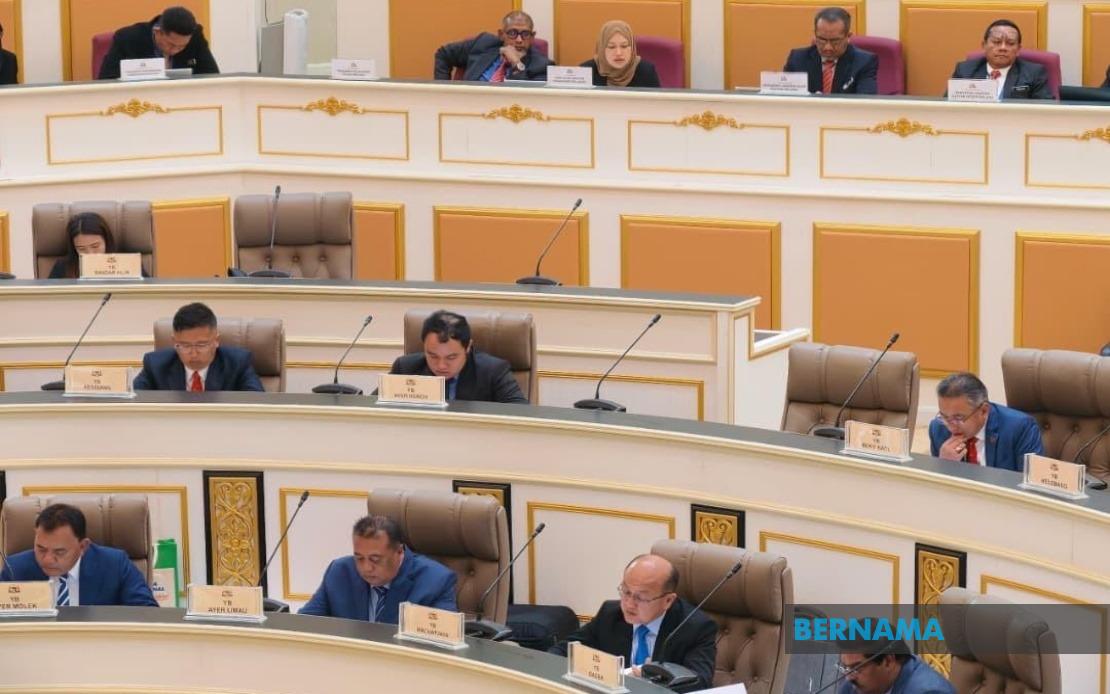
The political landscape in Melaka shifted markedly on the final day of the state assembly sitting when four DAP representatives repositioned themselves from the government benches to join the opposition bloc. Allex Seah Shoo Chin, Low Chee Leong, Leng Chau Yen, and Kerk Chee Yee, representing the constituencies of Kesidang, Kota Laksamana, Banda Hilir, and Ayer Keroh respectively, took their new seats alongside assemblymen from Perikatan Nasional and Independent candidates following their party's dramatic decision the previous day to withdraw support from the Barisan Nasional-led administration.
The defection represents a significant fracture within the Pakatan Harapan coalition at the state level and underscores deepening tensions over governance principles. The immediate trigger was the state assembly's passage of constitutional amendments that would permit the appointment of nominated assemblymen to the legislature. DAP's central objection centres on what party leadership characterizes as a fundamental departure from democratic principles and the sanctity of electoral outcomes. By circumventing the ballot box to expand the assembly, the party argues, the amendment compromises the representative nature of the institution and sets a troubling precedent for future administrations.
Melaka DAP chairman Khoo Poay Tiong framed the withdrawal as a principled stand against measures he views as antidemocratic. The decision to exit the government came swiftly and definitively, suggesting that party deliberations had reached consensus that remaining within the coalition would constitute an implicit endorsement of governance practices the party finds objectionable. This move carries implications beyond Melaka's borders, as it signals DAP's willingness to prioritize procedural and constitutional integrity over the pragmatic calculus of maintaining power-sharing arrangements.
Notably, the withdrawal creates an unusual asymmetry within Melaka's Pakatan Harapan representation. Adly Zahari, the sole assemblyman from Parti Amanah Negara and chairman of the Melaka Pakatan Harapan coalition, elected to remain seated with the government bloc rather than join his DAP colleagues. This divergence highlights the different strategic calculations and possibly conflicting priorities among coalition partners. Amanah's decision to stay suggests either differing perspectives on the constitutional amendments themselves or a judgment that withdrawal would prove tactically disadvantageous for the party's position in the state.
The timing of the withdrawal placed Prime Minister Datuk Seri Anwar Ibrahim in a delicate position. In his appeal made the day before the assembly reseating, Anwar urged Melaka DAP to reconsider and postpone their decision, emphasizing that political stability should yield priority to the state's development agenda and advancing public welfare. His intervention reflected concern that internecine coalition disputes distract from the government's broader policy objectives and may undermine investor confidence or public perception of governmental cohesion.
Assembly Speaker Datuk Ibrahim Durum sought to maintain procedural order amid the political turbulence, issuing a reminder to all members regarding expectations for dignified conduct and adherence to house regulations. The speaker's intervention, though routine in nature, took on added significance given the charged atmosphere surrounding the reseating. Maintaining decorum becomes particularly important when legislative proceedings might otherwise degenerate into acrimony reflecting the underlying political disputes.
The constitutional amendment dispute itself carries broader ramifications for Malaysian democracy. Nominated seats, while not unprecedented in state assemblies, represent a departure from full electoral representation and hand appointing authorities (typically the ruling coalition) considerable discretionary power over legislative composition. Critics contend that such mechanisms can entrench advantages for the party in power and insulate governments from electoral accountability. DAP's opposition reflects broader anxieties within certain political circles about institutional checks on executive power and the principle that electoral mandates should form the primary basis for legislative representation.
For Southeast Asian observers, the Melaka situation illuminates persistent tensions within Malaysia's federal structure and coalition politics. Governing coalitions at the state level often comprise partners with divergent ideological positions and strategic interests, forcing uncomfortable compromises. When fundamental questions about democratic norms emerge, as in this case, parties must decide whether to sacrifice coalition harmony for principle or whether pragmatic governance concerns should prevail. DAP's choice to withdraw signals that certain constitutional principles rank above electoral coalition maintenance.
The defection also reshapes the balance of forces within the Melaka assembly. The movement of four seats fundamentally alters government working majorities and the opposition's capacity to challenge government initiatives. With these assemblymen now in opposition ranks, the BN administration potentially finds itself more vulnerable to legislative defeats or mounting pressure from opposition members emboldened by reinforced numbers. Conversely, the opposition gains enhanced capacity to scrutinize government business and potentially obstruct legislation, though success depends on maintaining cohesion among its own increasingly diverse membership.
Looking forward, the Melaka situation raises questions about the sustainability of the current BN-Pakatan Harapan governing arrangement in the state and whether DAP's withdrawal signals a broader rupture or a temporary disagreement capable of resolution. Coalition dynamics in Malaysian politics frequently shift based on tactical calculations, but episodes involving constitutional amendments represent qualitatively different disputes rooted in competing visions of democratic governance. Resolution, should it come, would likely require substantive negotiations over governance principles rather than simple political horse-trading.
The episode also carries implications for Pakatan Harapan's national coalition management. While DAP and other coalition partners generally coordinate on national policy, state-level autonomy remains considerable. When partners disagree fundamentally on matters touching democratic procedure and constitutional architecture, managing coalition unity becomes considerably more challenging. The Melaka situation may thus foreshadow broader coalition management challenges should similar disputes emerge in other states or at the national level concerning governance structures and democratic principles.

