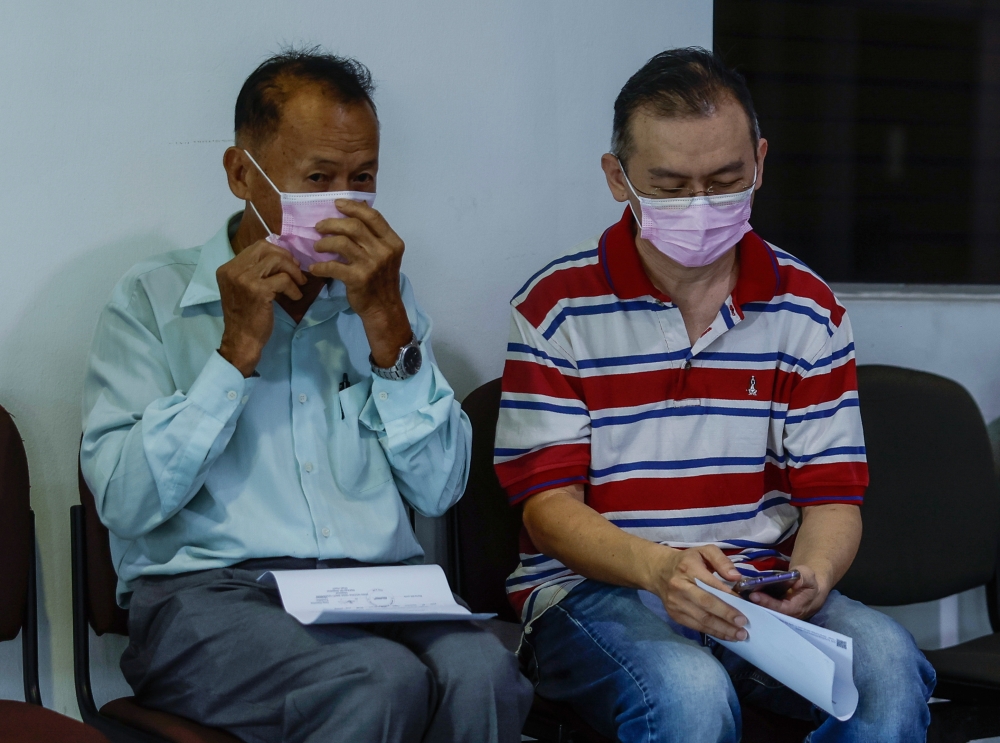
Four individuals appeared before the Sessions Court in Shah Alam today to face charges related to fraudulent applications submitted to Perkeso Daya Kerjaya 2.0, the Social Security Organisation's flagship employment development and skills programme. The cases underscore persistent challenges in protecting government assistance schemes from dishonest applicants who seek to exploit safety-net initiatives designed to help jobless workers and vulnerable populations.
The charges centred on false statements contained in applications for the Daya Kerjaya 2.0 initiative, which provides employment matching services, vocational training, and income support to eligible participants. The programme, administered by Perkeso, forms a critical component of Malaysia's social safety net, particularly for workers facing economic uncertainty or transitioning between employment. When applicants furnish misleading information to gain unwarranted benefits, it diverts limited resources away from genuinely needy individuals and undermines public trust in government assistance mechanisms.
The prosecutions in Shah Alam reflect intensifying efforts by authorities to detect and curb application fraud across social security programmes. Enforcement actions of this nature serve a dual purpose: they create a deterrent against future dishonest submissions while simultaneously recovering improperly disbursed funds when possible. The visibility of court proceedings helps communicate that regulatory bodies take fraudulent claims seriously, a message particularly important given the scale of government spending on employment and welfare initiatives.
Perkeso Daya Kerjaya 2.0 has become increasingly significant within Malaysia's employment landscape as workers grapple with technological disruption, skills mismatches, and post-pandemic economic volatility. The programme aims to bridge gaps between job seekers and employers while equipping participants with contemporary competencies demanded by evolving labour markets. However, the programme's accessibility—which is intentionally designed to be inclusive—can inadvertently create vulnerabilities that dishonest applicants exploit to obtain benefits or allowances they do not qualify for under programme guidelines.
The deliberate submission of false information to access benefits represents a serious breach of programme integrity and public trust. Applicants who misrepresent their employment status, educational qualifications, financial circumstances, or other material facts on applications violate conditions that underpin the entire scheme. Such conduct not only deprives genuine beneficiaries of assistance but also inflates programme costs, potentially influencing policy decisions about funding allocations and programme scope.
From a broader perspective, these cases illustrate the administrative burden facing social security administrators throughout Southeast Asia as they balance accessibility with fraud prevention. Perkeso and similar institutions must implement robust verification systems to confirm applicant eligibility while maintaining processing efficiency. The human and documentary verification layers needed to catch fraudulent applications increase operational costs, yet insufficient scrutiny enables perpetrators to circumvent controls designed to protect programme resources.
The prosecutions also reflect Malaysia's commitment to strengthening accountability within the social protection system. By prosecuting applicants who submit false information, authorities signal that dishonesty carries consequences. This enforcement approach complements preventive measures such as data-sharing arrangements with other government agencies, cross-checking employment records, and requiring applicants to provide supporting documentation. Multiple verification points make fraud riskier and more difficult to perpetrate successfully.
For Malaysian workers and job seekers, these developments carry important implications. Genuine applicants should ensure they provide accurate, verifiable information when submitting claims to government assistance programmes. Discrepancies or omissions discovered during processing, even if unintentional, can complicate approvals or trigger scrutiny. The courts' willingness to prosecute fraudulent applications reinforces that programme rules exist for legitimate reasons and must be observed.
Looking forward, the cases raise questions about whether current verification methods adequately protect Perkeso Daya Kerjaya 2.0 from exploitation. As the programme expands to reach more workers, administrators may need to strengthen eligibility confirmation processes, perhaps through enhanced technology integration or deeper inter-agency data sharing. Balancing fraud prevention with timely benefit delivery remains an ongoing challenge for Malaysian social policy implementers.
These prosecutions also serve as a reminder that government assistance programmes, while essential for supporting vulnerable populations, require vigilance to function effectively. When dishonest applicants successfully obtain benefits they do not deserve, the entire system's credibility suffers, potentially influencing public and political support for expanding safety nets. The Shah Alam court proceedings therefore represent not merely individual cases but part of a broader effort to sustain the integrity upon which sustainable social protection systems depend.

