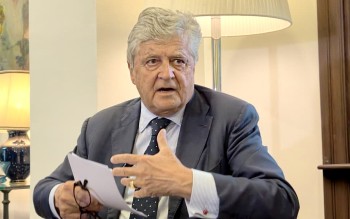
France has extended an offer of technical assistance and long-term partnership to Malaysia should the country decide to incorporate nuclear power into its energy strategy, according to Nicolas Forissier, the French Minister Delegate for Foreign Trade and Economic Attractiveness. Speaking during his inaugural official visit to Malaysia on July 8, Forissier emphasised that Paris possesses substantial expertise in atomic energy and stands prepared to transfer knowledge and technological capabilities to support such an undertaking. The overture comes at a moment when Malaysia's government is actively examining whether civil nuclear energy could form part of its broader transition toward lower-carbon electricity generation.
The timing of Forissier's proposal reflects deepening diplomatic engagement between the two nations. His visit, accompanied by representatives from over 20 French enterprises, underscores the commercial dimension of the relationship alongside political considerations. Recent high-level interactions between France and Malaysia have intensified notably, including discussions between their foreign ministers, the Malaysian defence minister's tour of the French aircraft carrier in March 2025, and Prime Minister Datuk Seri Anwar Ibrahim's July visit to Paris. These interactions suggest both capitals view the bilateral relationship as increasingly significant for economic cooperation and strategic alignment in an evolving global landscape.
Francial commitment to nuclear power is not merely rhetorical. The country generates approximately 60 per cent of its electricity from nuclear sources, with the remainder derived from renewable alternatives including solar and wind installations. This energy mix positions France as one of Europe's leaders in decarbonised electricity production and provides a substantive foundation for the expertise Forissier offered. The country's decades-long experience managing nuclear infrastructure, regulatory frameworks, and safety protocols represents a valuable resource for any nation contemplating entry into the nuclear sector.
Malaysia's current stance on nuclear development remains non-committal, reflecting the sensitivity surrounding the technology domestically. The government is conducting consultations and facilitating national debates before reaching any firm determination. This measured approach acknowledges the complex considerations involved, ranging from public perception and environmental concerns to technical feasibility, economic viability, and regulatory capacity. The phrase "civil nuclear energy" itself carries significance, emphasising peaceful power generation rather than military applications, a distinction important for regional assurance and international standing.
The rationale for considering nuclear power within Malaysia's energy transition centres on its substantial decarbonisation potential. As nations grapple with climate change commitments and carbon reduction targets, nuclear energy presents a baseload power source producing zero greenhouse gas emissions during operation. For Southeast Asia, where electricity demand continues expanding alongside economic development, the technology offers an alternative to coal dependency that has long dominated the region's energy infrastructure. This characteristic has prompted multiple countries globally to reconsider nuclear's role in achieving net-zero objectives.
French interest in supporting Malaysia's potential nuclear programme reflects broader strategic considerations beyond commercial advantage. Enhanced energy cooperation between the nations could deepen overall bilateral ties and expand France's influence within Southeast Asia. For Malaysia, accepting such partnership would signal openness to advanced technological collaboration and position the country as forward-looking in its approach to sustainable development. The framing of nuclear energy as essential infrastructure requiring sustained commitment over 50 to 80 years underscores the long-term nature of any arrangement, suggesting France envisions enduring institutional relationships rather than transactional exchanges.
The business delegation accompanying Forissier indicates that French private sector actors view Malaysia as a market with substantial opportunities across multiple sectors, not exclusively nuclear. The presence of representatives from more than 20 companies suggests interests spanning energy infrastructure, industrial technology, defence contracting, and other domains. This commercial presence reinforces the political messaging and transforms the visit into a comprehensive economic engagement exercise designed to cultivate future partnerships and identify collaboration opportunities.
Malaysia's deliberative approach to nuclear energy development reflects prudent governance, particularly given the technology's controversial dimensions in Southeast Asian public discourse. Historical concerns about nuclear safety, waste management, and proliferation risks require careful consideration and transparent public engagement. The national debate framework allows Malaysian policymakers to assess whether nuclear power aligns with the country's energy security objectives, environmental commitments, technological capabilities, and public expectations. This consultation process also provides opportunity to evaluate financial implications and potential partnerships like the French proposal against alternative decarbonisation strategies.
The conversation between Malaysia and France arrives amid global momentum toward nuclear energy expansion. Several nations, including some in Asia, have renewed interest in atomic power as a climate solution. This trend, coupled with technological advances improving safety and efficiency, creates a context where Malaysian consideration of nuclear options appears mainstream rather than exceptional. However, the technology remains politically contentious regionally, with varying national positions on nuclear development reflecting distinct historical experiences, geological conditions, and political cultures across Southeast Asia.
Should Malaysia eventually pursue civil nuclear energy development, French involvement would likely extend beyond diplomatic gestures into practical domains including regulatory framework design, workforce training, technology transfer agreements, and infrastructure investment. The specificity of Forissier's reference to the 50 to 80-year commitment horizon suggests France anticipates potential multi-decade engagement spanning reactor construction, operation, maintenance, and eventual decommissioning. Such arrangements typically involve substantial capital requirements and necessitate institutional stability and continuity across multiple government administrations.
The French overture also carries implications for Malaysia's positioning within broader international energy politics and climate diplomacy. Aligning with established nuclear powers on atomic energy development would connect Malaysia to established international regulatory frameworks, safety standards, and non-proliferation regimes. This integration offers both advantages and constraints, embedding the country within systems governed by existing nuclear-capable states. For Malaysia, the calculation involves weighing these institutional affiliations against energy independence considerations and domestic political sensitivities regarding technology reliance.
Looking forward, Malaysia's decision on civil nuclear energy will likely emerge from detailed feasibility assessments, comprehensive public consultation, and comparative evaluation against other decarbonisation pathways. France's readiness to assist provides one option within a broader menu of energy transition strategies. Whether Malaysia ultimately embraces nuclear power will depend on factors extending well beyond French willingness to cooperate, including domestic political consensus, economic viability assessments, technological advancement timelines, and integration possibilities with Malaysia's existing energy infrastructure and future renewable energy expansion plans.

