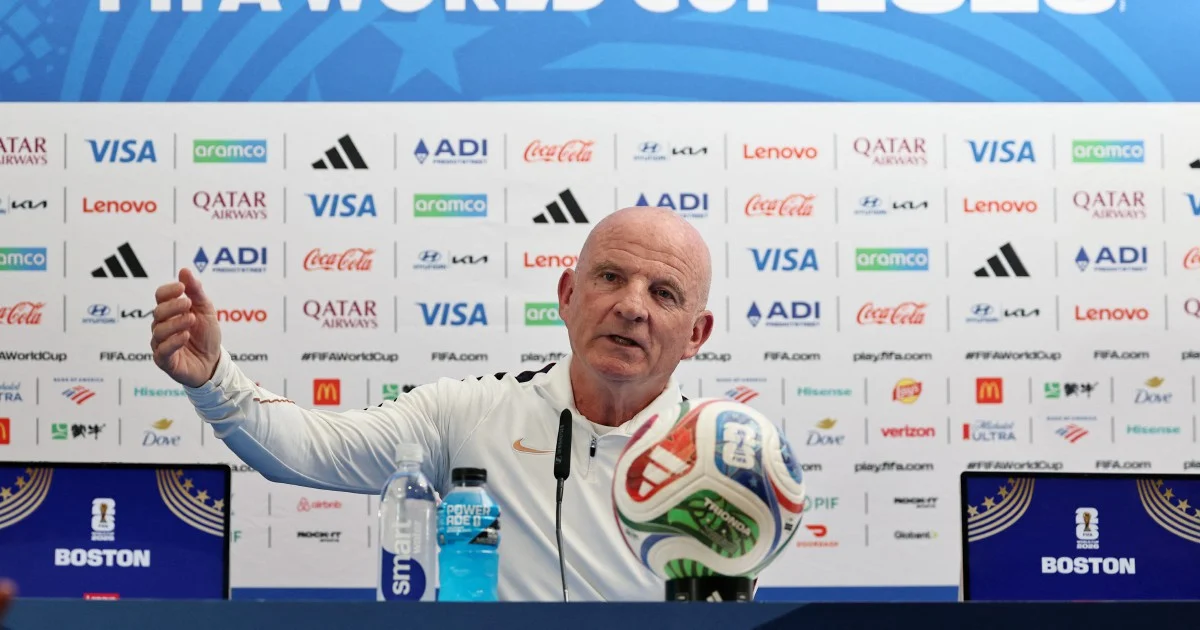
France's pursuit of Group I supremacy takes centre stage on Friday when the defending World Cup champions meet Norway in a fixture that carries far greater significance than a routine group-stage encounter. Standing in as manager after Didier Deschamps travelled home for his mother's funeral, assistant coach Guy Stephan underscored the tactical and logistical imperatives driving Les Bleus' approach to the match, revealing that securing top spot has become as much about infrastructure and recovery as it is about sporting ambition.
The contrast between group winners and runners-up in major tournaments often receives scant attention from casual observers, yet Stephan's candid remarks illuminate how tournament scheduling and geography fundamentally shape a team's preparation and fatigue levels. Should France finish first, they would establish a northeastern United States base and maintain proximity throughout their knockout journey until the quarter-finals. Conversely, a second-place finish condemns the team to substantial cross-country relocations, with potential matchups forcing travel to Dallas, Miami, and Atlanta—a scenario that compounds physical and psychological strain accumulated through weeks of competition.
This logistical reality carries particular weight for a European side unaccustomed to the continental distances that define American geography. The difference between staying in a single hotel with established training facilities and embarking on repeated multi-hour flights translates directly into recovery time, acclimatisation consistency, and squad morale. For a team harbouring genuine ambitions of winning football's premier competition, such environmental factors often prove decisive in knockout football where marginal gains accumulate into decisive advantages.
Beyond strategic positioning, climatic considerations add another layer to France's calculations. American summer conditions intensify as one travels southward, and extended southern heat during the tournament's latter stages could prove detrimental to European athletes accustomed to different environmental demands. The temperature differential between Boston and Miami or Dallas introduces recovery challenges and potential injury concerns that Stephan acknowledged when discussing the benefits of remaining in the Northeastern corridor.
France enters the encounter with impressive credentials, having accumulated six points from their opening two matches—a remarkable achievement at international football's highest level that underscores the quality available to Stephan and his management team. Norway presents a similarly dangerous proposition, having matched France's record through identical winning performances in their initial fixtures. This convergence creates a contest between two qualified teams with nothing to lose but everything to gain, suggesting an encounter of considerable technical quality and competitive intensity.
The mathematical path to first place for France proves comparatively straightforward. Their superior goal difference means a draw suffices, granting Stephan tactical flexibility in team selection and approach. This advantage reflects the margin by which they have outperformed their group rivals and provides crucial breathing room against a Norwegian side requiring maximum points to dislodge the tournament favourites from pole position.
Deschamps' absence, while prompted by deeply personal circumstances, necessitates seamless operational continuity that Stephan must orchestrate. His acknowledgment of maintaining regular telephone contact with the permanent manager suggests clear chains of command and strategic coherence despite physical separation. However, Stephan indicated that funeral arrangements would necessarily limit contact on match day itself, placing additional responsibility on the assistant and his coaching staff to execute predetermined tactical plans with minimal direction from Paris.
Team news presents additional complications to France's preparation. Central defender William Saliba's unavailability removes defensive stability at a moment requiring defensive solidity, while Marcus Thuram's calf concerns suggest intensity limitations for the attacking contingent. These absences demand tactical adjustment and roster recalibration that Stephan must navigate while maintaining championship-standard performance levels.
For Malaysian and Southeast Asian observers, this fixture illuminates broader World Cup tournament dynamics often obscured by headline dramatics. The interplay between sporting objectives and logistical reality shapes competition outcomes in ways that transcend tactical sophistication or individual brilliance. France's methodical approach to extracting maximum advantage from tournament infrastructure reflects professional maturity and institutional discipline that distinguishes truly elite programmes from aspiring pretenders.
The match also demonstrates how international tournaments impose unique pressures upon established powerhouses. Despite possessing a 2018 World Cup triumph and genuine squad depth, France cannot simply impose their will through individual talent. Instead, they must calculate optimal positioning, manage personnel strategically, and account for environmental factors—the mundane realities that separate champions from capable competitors. This multifaceted decision-making process, rather than spectacular attacking football, frequently determines which nations ultimately hoist trophies.

