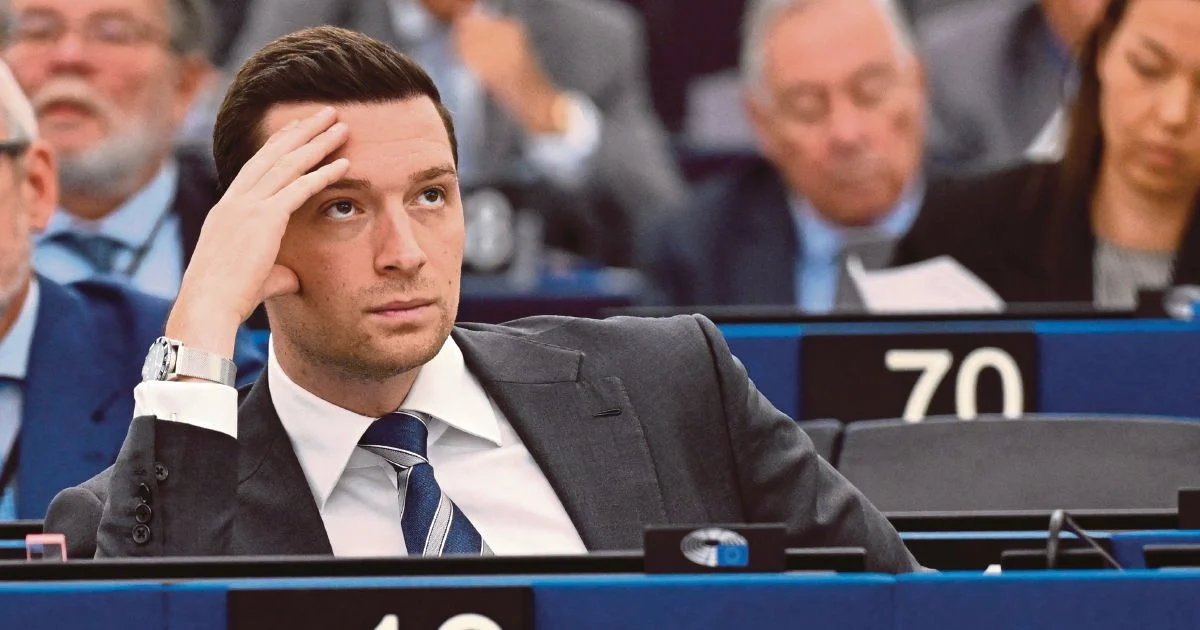
An independent transparency organization in France has moved to initiate an inquiry into serious allegations that Jordan Bardella, a leading figure within the far-right political establishment and potential presidential contender, may have drawn salary for work that was never actually performed at the European Parliament. The watchdog's decision came on Tuesday and immediately became a focal point of controversy in French politics, casting a spotlight on questions about financial propriety within the country's populist right-wing movement. Bardella's party, the National Rally, has firmly denied the allegations and dismissed the investigation as part of a broader pattern of attacks on the organization's leadership.
The allegations centre on a position that Bardella allegedly held in the European Parliament's administrative apparatus during an earlier phase of his political career. Rather than performing substantive parliamentary duties, the watchdog's preliminary findings suggest, the role may have existed primarily on paper, allowing him to collect compensation without delivering corresponding work. Such arrangements, if substantiated, would represent a serious misuse of public funds and could trigger legal consequences depending on how French and European authorities classify the conduct. The investigation seeks to clarify the exact scope of his purported responsibilities and whether parliamentary systems failed to exercise adequate oversight.
This revelation carries particular weight given Bardella's trajectory within French politics and his increasingly prominent public profile. As a leading voice in the National Rally, he has cultivated an image as a forceful advocate for stricter governance standards and fiscal responsibility. The contradiction between such messaging and potential involvement in questionable employment arrangements at the supranational level creates a credibility problem for his faction. Media outlets across Europe have seized on the narrative tension, questioning whether ethical standards have been uniformly applied within populist movements.
The timing of the investigation adds another dimension to the unfolding story. French politics remains turbulent, with presidential ambitions circulating among multiple figures across the political spectrum. The National Rally has been positioned as a potential force in upcoming electoral contests, and any weakening of its leadership's credibility could alter the party's electoral prospects. Opponents have naturally amplified the allegations as evidence of hypocrisy, while supporters argue that such scrutiny represents a form of coordinated pressure against anti-establishment movements.
For Malaysian observers tracking European political developments, the case illustrates persistent vulnerabilities in oversight mechanisms at multinational institutions. The European Parliament, despite its sprawling bureaucracy and administrative mechanisms, apparently permitted employment arrangements that may have lacked substance and verifiable work output. This suggests that even institutions designed to represent democratic accountability across diverse member states can fall short of monitoring their own payroll and personnel standards. Questions about institutional integrity at the EU level carry implications for how effectively Brussels-based organizations fulfill their accountability mandates.
The broader context involves recurring scandals across European Parliament involving misuse of allowances and employment arrangements. Several investigations and prosecutions have targeted members from various political groupings over the past decade, revealing systemic weaknesses in financial controls. What distinguishes the Bardella matter is the political optics: a leader publicly critical of European establishment dysfunction may himself be implicated in practices emblematic of the very problems he claims to oppose. Such inconsistencies provide ammunition for skeptics questioning the motives and integrity of political insurgents across the continent.
The National Rally's categorical denial reflects standard defensive positioning by political organizations facing serious allegations. Party representatives have suggested that Bardella fulfilled legitimate functions as a parliamentary assistant and that his employment was entirely appropriate and lawful. They characterize the investigation as motivated by political antagonism rather than genuine concern about administrative propriety. Such contradictory accounts will likely persist until formal investigative conclusions emerge with documented evidence.
Understanding this situation requires recognizing the fluid nature of political employment in European Parliament. Unlike purely administrative positions with clearly defined deliverables, assistant roles frequently involve advisory, strategic, and representational functions that resist easy quantification. This ambiguity creates gray zones where investigators must determine retrospectively whether specific roles genuinely served parliamentary functions or constituted pretense. Determining culpability depends on establishing what work was contracted versus what work was actually performed—a fundamentally difficult forensic task.
The investigation's progression will likely unfold over months or longer, involving document examination, witness testimony, and potentially judicial intervention. French authorities may coordinate with European Union oversight bodies to access relevant parliamentary employment records and communications. If substantive evidence emerges confirming the allegations, Bardella could face legal jeopardy extending beyond reputation damage. Conversely, should inquiries conclude that employment arrangements were legitimate, the investigation's conclusion could actually strengthen his political position by clearing his record of wrongdoing.
For Southeast Asian analysts monitoring European populist movements, this episode demonstrates how financial transparency questions can undermine populist political figures who build constituencies around anti-corruption messaging. The irony of leaders opposing establishment practices while potentially participating in questionable administrative arrangements generates powerful political narratives. Similar patterns have emerged in other democracies, where movements positioned against elite privilege sometimes struggle with allegations suggesting their own leadership engages in comparable practices.

