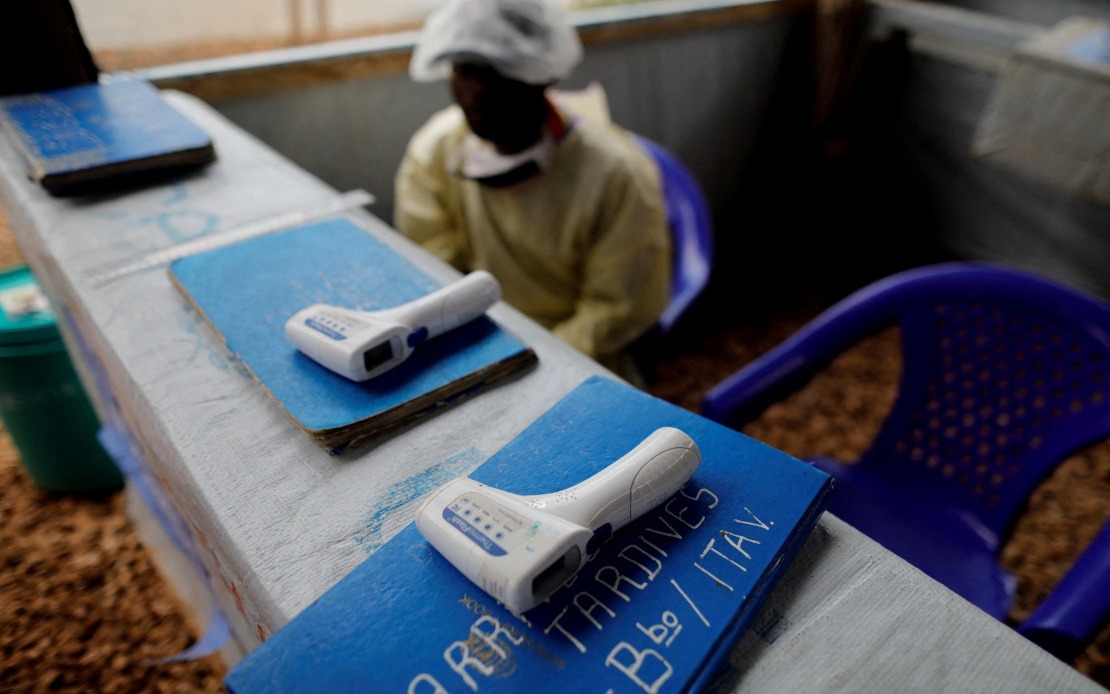
France has achieved a medical milestone by successfully treating and discharging the country's first confirmed Ebola patient, marking a positive development in disease management within Western Europe. The announcement by French Minister of Health Stéphanie Rist underscores the effectiveness of early detection protocols and rapid isolation procedures when responding to highly infectious diseases. The patient, a medical professional involved in humanitarian work, represents a worst-case scenario that thankfully ended well—an individual returning from an active outbreak zone who nonetheless made a full recovery without developing the severe complications typically associated with Ebola infection.
The patient's journey back to France on June 23 from the Democratic Republic of the Congo initiated a carefully managed medical response. Upon arrival, French health authorities immediately placed the individual under rigorous surveillance, conducting regular monitoring for symptoms that could indicate Ebola virus infection. This proactive approach proved crucial, as it allowed medical teams to observe the patient's condition continuously while maintaining appropriate containment measures. The absence of severe symptomatology during the observation period meant that treatment could focus on supportive care rather than intervention for life-threatening complications, ultimately facilitating the patient's discharge back to home care.
The Democratic Republic of the Congo continues to grapple with a significant and ongoing Ebola outbreak that began on May 15. As of the announcement date, government health authorities had recorded 1,502 confirmed cases resulting in 438 deaths, reflecting a case fatality rate approximately between 28 and 30 percent. This outbreak represents one of several recent Ebola epidemics in Central Africa, underscoring the persistent threat the virus poses in regions where conditions such as limited healthcare infrastructure, difficulty accessing testing, and challenges in coordinating public health responses create ideal circumstances for transmission.
From a Southeast Asian perspective, this French case carries important implications for regional disease surveillance and cross-border health preparedness. Malaysia and other ASEAN nations maintain international connections through tourism, trade, and professional mobility, meaning exotic pathogens introduced through returning travelers present a realistic threat. The French healthcare system's successful containment of an imported Ebola case—preventing secondary transmission despite treating an infected individual—demonstrates the protective value of robust diagnostic systems, well-trained medical personnel, and established isolation protocols. This model becomes increasingly relevant as regional economies reopen and international travel normalizes.
The identity of the patient as a humanitarian aid worker also highlights occupational exposure risks that deserve greater attention. Healthcare professionals and humanitarian workers operating in outbreak regions face substantially elevated personal infection risk, yet they constitute a critical workforce for controlling epidemics at source. France's ability to successfully manage this particular case reflects investment in both preventive training for workers deployed to high-risk zones and the medical infrastructure necessary to manage imported cases without community spread. Such capabilities remain unevenly distributed globally, with many developing nations lacking comparable resources.
The absence of severe symptoms in this French patient, while fortunate, also suggests important questions about viral variants, individual immune response, and the heterogeneous presentation of Ebola infection. Medical understanding recognizes that Ebola does not always present with the dramatic hemorrhagic manifestations depicted in popular culture; some individuals mount effective immune responses that limit symptom severity. The successful recovery and discharge of this case provides valuable clinical data that contributes to medical knowledge about disease outcomes and treatment effectiveness.
From a public health policy perspective, France's transparent announcement of the case reflects international norms around disease reporting and demonstrates confidence in the healthcare system's ability to contain the threat. This openness contrasts with situations elsewhere where governments have concealed cases or downplayed epidemic severity, undermining trust and hampering response efforts. The clear communication about the patient's condition, the course of treatment, and the ultimate positive outcome serves both to reassure the French public and to provide credible information to the international community.
The management of this case also illustrates the importance of pre-established protocols for handling highly dangerous infectious diseases in developed healthcare systems. France's Centers for Disease Control equivalent and hospital isolation facilities had procedures ready to implement immediately upon suspicion of Ebola. Training of healthcare workers, availability of appropriate personal protective equipment, and clear chains of command for decision-making enabled rapid, coordinated response. Many middle-income countries in Southeast Asia have strengthened such capacities in recent years, yet gaps persist in smaller nations with more limited healthcare budgets.
The Democratic Republic of the Congo's ongoing outbreak, from which this French patient contracted infection, remains a significant global health concern requiring sustained international support. Even as individual cases are successfully treated in well-resourced countries, the epidemic's continuation in Central Africa reflects broader challenges including weak health systems, limited laboratory capacity for rapid diagnosis, and difficulty implementing infection control measures in healthcare settings operating under severe resource constraints. International cooperation, including medical personnel deployment, equipment provision, and technical assistance, remains essential to controlling the outbreak at its source and preventing further cases among returning workers and travelers.

