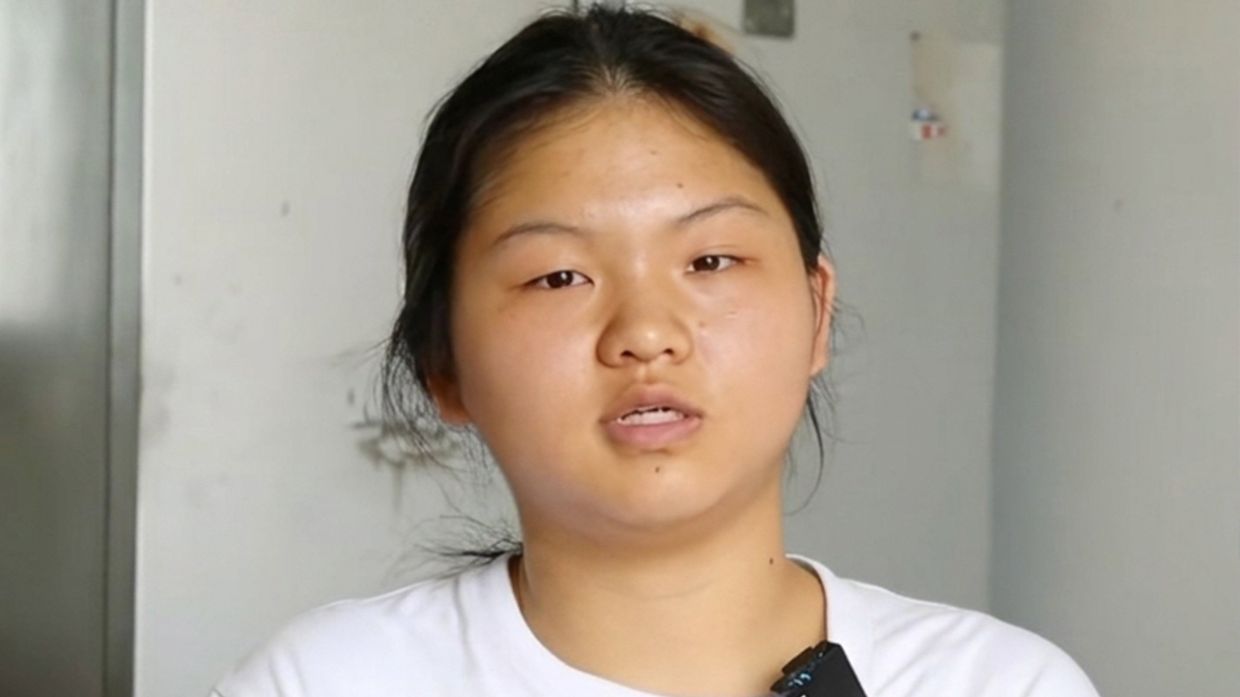
Zeng Zixuan's journey to university comes wrapped in tragedy, yet marked by a generosity that has resonated across China. The 18-year-old, who achieved a score of 564 out of 750 on this year's gaokao, faces her first semester as a complete orphan. Her grandmother, the sole family member who had cared for her since childhood, passed away in early July, just as Zeng was preparing to begin her higher education. Rather than accept the outpouring of financial support that emerged from her community, Zeng made an unexpected choice that has captivated the nation's attention and sparked widespread admiration.
Zeng's path to this moment has been marked by a series of profound losses that would test the resilience of any teenager. When her parents divorced during her childhood, her mother remarried and left, while her father relocated to Guangdong for employment opportunities. The young girl was left in the care of her grandmother, a responsibility the elderly woman shouldered with devotion. Despite her circumstances, Zeng emerged as an exceptional student, consistently ranking among the top performers in her class throughout her academic career. She deliberately selected her university based on proximity to home, hoping to maintain regular visits with her grandmother and preserve the family bond that had sustained her through earlier struggles.
The stability Zeng had maintained through academic achievement and familial connection fractured suddenly during her secondary school years. Her father died in an accident, an event that devastated both Zeng's emotional wellbeing and her family's financial security. The loss of her father's income meant that Zeng and her grandmother became entirely dependent on government assistance and educational subsidies provided by her school. The vibrant, spirited girl who had once navigated life's challenges with characteristic optimism began to withdraw from the world around her. Teachers noticed the profound change in her demeanor, recognizing that grief had altered her outlook and engagement with her studies and peers.
Sensitive to Zeng's transformation, her supervising teacher became a crucial source of encouragement during this vulnerable period. Village officials also mobilized to provide support, with a representative responsible for women's affairs ensuring that the struggling household received the assistance necessary for survival. The supervising teacher offered Zeng a perspective that would sustain her through subsequent hardships, advising her that only through pursuing higher education at a reputable university could she build a secure future and honor the memory of both her father and grandmother. This guidance provided Zeng with a purpose beyond mere survival, transforming her academic pursuits into an act of respect for those she had lost.
When her grandmother's health deteriorated and she passed away in early July, the village community mobilized once again, this time to provide financial aid for the now-orphaned teenager. Word of Zeng's circumstances spread through official channels, and strangers began contributing donations intended to ease her financial burden as she prepared for university life. Within a remarkably short timeframe, more than 60,000 yuan—equivalent to approximately 8,800 US dollars—accumulated through these voluntary contributions. The scale of community support reflected deep admiration for Zeng's perseverance and a collective desire to assist a young person who had endured extraordinary hardship while maintaining her commitment to education.
Faced with this substantial sum of financial assistance, Zeng made a decision that distinguished her from many others in similar circumstances. Rather than accept the donations gratefully and focus solely on her own future security, she contacted the village office to request that further contributions be halted. In a statement that would later gain significant traction online, Zeng expressed heartfelt thanks to her community while reframing her own needs within a broader social context. She acknowledged that the money earned by donors came through hard work and sacrifice, recognizing that many others in her country faced circumstances even more challenging than her own. Her request demonstrated emotional maturity and a perspective that extended beyond personal struggle to consider collective responsibility.
Zeng's explanation of her decision revealed careful thinking about resource allocation and social responsibility. She stated that the funds already received were sufficient to cover her tuition fees and accommodation expenses at university, addressing her most substantial financial obligations. Rather than relying entirely on donations for her living expenses, she determined to secure part-time employment to support herself, a plan that would allow her to contribute to her own welfare while freeing additional resources for others. The village government, recognizing both her need and her character, identified a student-friendly work position that would enable Zeng to balance employment with her academic responsibilities without compromising her educational trajectory.
The contrast between Zeng's material poverty and her emotional and moral wealth has struck a profound chord with observers across China and beyond. Online commentators have noted that while Zeng faces genuine disadvantage in terms of family structure and economic resources, she exists within a social environment that provides meaningful support and recognizes her potential. One observer captured this sentiment by noting that life contains numerous unexpected setbacks, yet Zeng's future appears genuinely promising given her demonstrated character and resilience. Another commenter reflected on the fortune of being a disadvantaged child in contemporary China, where institutional systems and community values combine to offer meaningful assistance to those facing hardship.
Zeng's story carries particular resonance for Malaysian and Southeast Asian readers, offering insights into broader questions about how societies respond to vulnerable young people and how individuals facing adversity might maintain both integrity and hope. Her decision to decline donations despite genuine need demonstrates values that transcend economic calculation, suggesting that character formation and moral development can flourish even—or perhaps especially—amid significant hardship. The case also illustrates how educational achievement can serve as a pathway not only to personal advancement but to the honoring of family memory and the fulfillment of social obligation. As Zeng begins her university studies, her journey from orphaned teenager to respected community member continues to evolve, with her choices inspiring reflection on resilience, generosity, and the complex relationship between individual success and collective responsibility in contemporary Asian societies.

