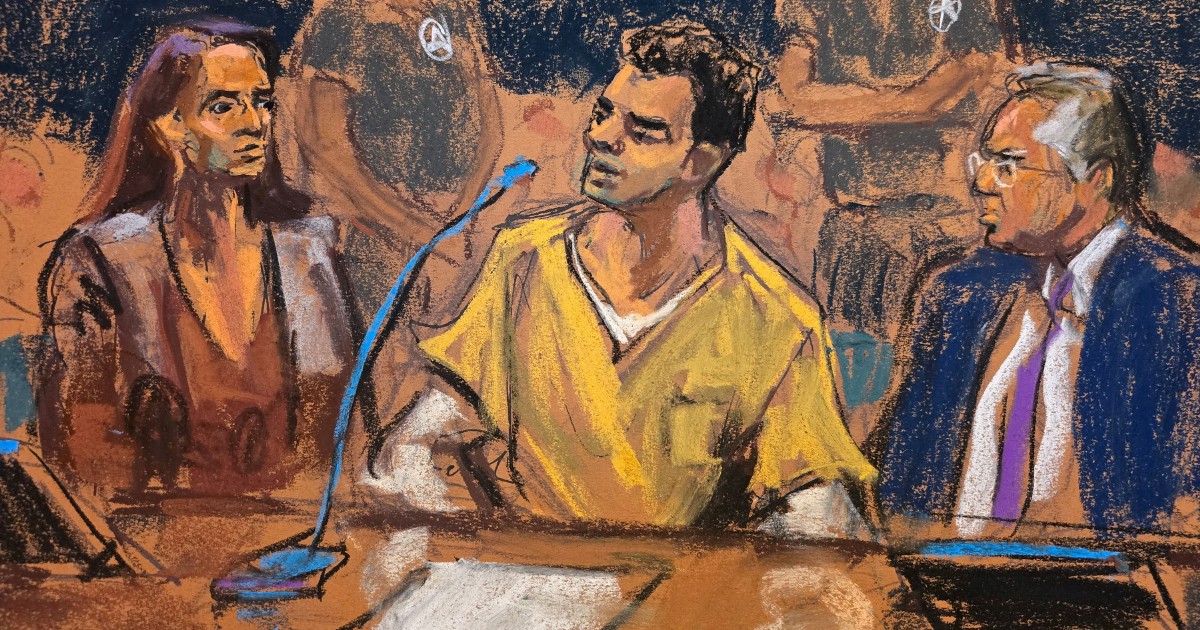
Luigi Mangione appeared in a Washington courtroom to acknowledge his role in one of the most shocking crimes to grip the United States in recent years: the fatal shooting of a prominent health insurance industry figure. The case has transformed what authorities initially portrayed as a typical, law-abiding individual into a central figure in a capital crimes prosecution, raising uncomfortable questions about frustration with the American healthcare system and the desperation that can drive individuals to violence.
Mangione's appearance before the court became a platform for him to articulate grievances that extended far beyond personal grievance. According to accounts of his statement, he framed his alleged actions not as acts of rage but as a statement intended to challenge how healthcare functions in the United States. He referenced a back injury sustained earlier in his life, suggesting that chronic pain and the struggle to navigate the American medical and insurance bureaucracy contributed substantially to his mental and emotional state leading up to the incident.
The narrative that has emerged portrays a significant transformation in Mangione's circumstances and mindset. Those who knew him previously described someone who navigated mainstream American life without obvious signs of the violent ideation that would culminate in his alleged crime. This disconnect between his earlier persona and the severity of the alleged offence has prompted widespread examination of how personal crises, particularly those involving healthcare access and chronic suffering, intersect with violent outcomes.
The US health insurance industry, despite generating billions in revenue annually, faces persistent criticism from patients, medical professionals, and consumer advocates. Claims denials, coverage limitations, and the bureaucratic maze patients must navigate have become focal points of national debate. The case has inadvertently thrust these systemic frustrations into stark relief, though commentators have been careful to distinguish between legitimate policy criticism and the use of violence to express discontent.
Background investigations into Mangione's life revealed someone who held education credentials from elite institutions and possessed professional skills that typically correlate with economic security and social stability. Yet his own encounter with a significant health crisis—the back injury he has cited—apparently created a rupture in his worldview, exposing him to aspects of the American healthcare system that many insulated by privilege never directly experience. This gap between expectation and reality has become a focal point in efforts to understand how he arrived at such an extreme course of action.
The specificity of the target—an executive within the insurance industry itself—underscores that Mangione's alleged motivation was not random but directed at what he apparently perceived as a primary source of systemic dysfunction. Experts in criminology and psychology have noted that perpetrators of such acts often believe they are striking at institutions or systems rather than individuals, a dangerous rationalization that elevates political or ideological grievance into justification for lethal violence.
For Malaysian observers, the case serves as a cautionary tale about healthcare systems that lack robust regulation and patient protections. Malaysia's hybrid public-private healthcare model, while facing its own pressures and inequities, provides universal access through government facilities—a safeguard that prevents the complete exclusion from care that can occur in purely market-driven systems. The Mangione case illustrates the human costs when healthcare becomes primarily a commercial enterprise subject to profit-maximization incentives.
The psychological deterioration that apparently accompanied Mangione's chronic pain and healthcare struggles represents a warning sign that healthcare systems should be equipped to identify and support. Integrating mental health services with medical care, ensuring that pain management does not require individuals to become adversaries within insurance and medical bureaucracies, and creating pathways for patients to challenge coverage decisions represent practical interventions that could prevent similar trajectories.
American policymakers have struggled for decades to reform insurance practices and healthcare delivery. Recent legislative attempts to regulate insurance denial practices have gained traction, but comprehensive reform remains elusive. The Mangione case may accelerate demands for change, though the challenge of transforming entrenched institutional interests remains formidable. Consumer protections that prevent individuals from being denied necessary care due to insurance coverage technicalities deserve renewed attention and support.
The courtroom drama itself signals a reckoning within American society about the sustainability of a healthcare model that generates legitimate grievances severe enough to drive individuals toward violence. While Mangione's alleged actions cannot be justified or excused, the system that shaped his desperation cannot be absolved of responsibility for fostering an environment where such extremism becomes conceivable. Moving forward requires both accountability for violent acts and serious examination of whether healthcare policies and practices create circumstances that erode social cohesion and individual stability to dangerous degrees.

