Sony's decision to phase out physical disc production for PlayStation has ignited fierce debate within the gaming community, signalling a fundamental transformation in how the industry operates. The move toward an entirely digital ecosystem has prompted gamers to confront uncomfortable questions about what they truly own when they purchase a game, and whether digital purchases will remain accessible in an uncertain technological future. This shift exposes a critical vulnerability in modern gaming: the impermanence of digital media and the fragility of ownership in an industry increasingly reliant on corporate servers and proprietary platforms.
The concerns driving this backlash extend far beyond nostalgia or collector sentiment. Physical media, despite its tangible nature, faces its own mortality through disc rot and hardware deterioration. Yet digital files present different challenges altogether. When game servers shut down, when companies revoke licenses, or when technology evolves beyond compatibility with legacy systems, digital games can vanish entirely. Solid state drives containing irreplaceable data can become corrupted, leaving no recourse for players. The fundamental question emerging from this crisis is whether gaming's cultural heritage will survive the transition to digital distribution, or whether entire libraries of interactive experiences will become unplayable relics of abandoned technology.
One solution gaining traction across the industry involves comprehensive remakes that rebuild classic titles from the ground up. Rather than merely remastering aging graphics or updating resolution, leading publishers including Nintendo, Ubisoft, and Microsoft are undertaking substantial reconstructions of their most beloved franchises. This approach acknowledges a sobering reality: as technology inevitably advances across generations, original versions of games may eventually become impossible to play. Remakes represent a proactive strategy to preserve the essence and experience of classics while adapting them to contemporary hardware and player expectations.
Capcom has become particularly skilled at executing remakes that transcend simple technical updates. The company recognises that effective remakes function less as faithful reproductions and more as thoughtful interpretations that honour the original while embracing modern design philosophies. This distinction proves crucial to understanding why remakes matter beyond mere commercial motivation. They serve as bridges between gaming's past and its future, ensuring that the experiences and innovations of earlier generations remain accessible and relevant to players who may never encounter the originals.
Consider the recent Star Fox remake, which demonstrates how modernisation can enhance rather than diminish a classic experience. Developers expanded control schemes substantially, introducing innovative mouse-based targeting that makes combat more intuitive for contemporary players accustomed to different input methods. The remake incorporates new vehicles like the Landmaster and Blue-Marine alongside modernised difficulty settings that allow players to experience different campaign variations. These additions don't merely update superficial elements; they fundamentally improve accessibility for audiences whose gaming skills and expectations have evolved considerably since the original's release.
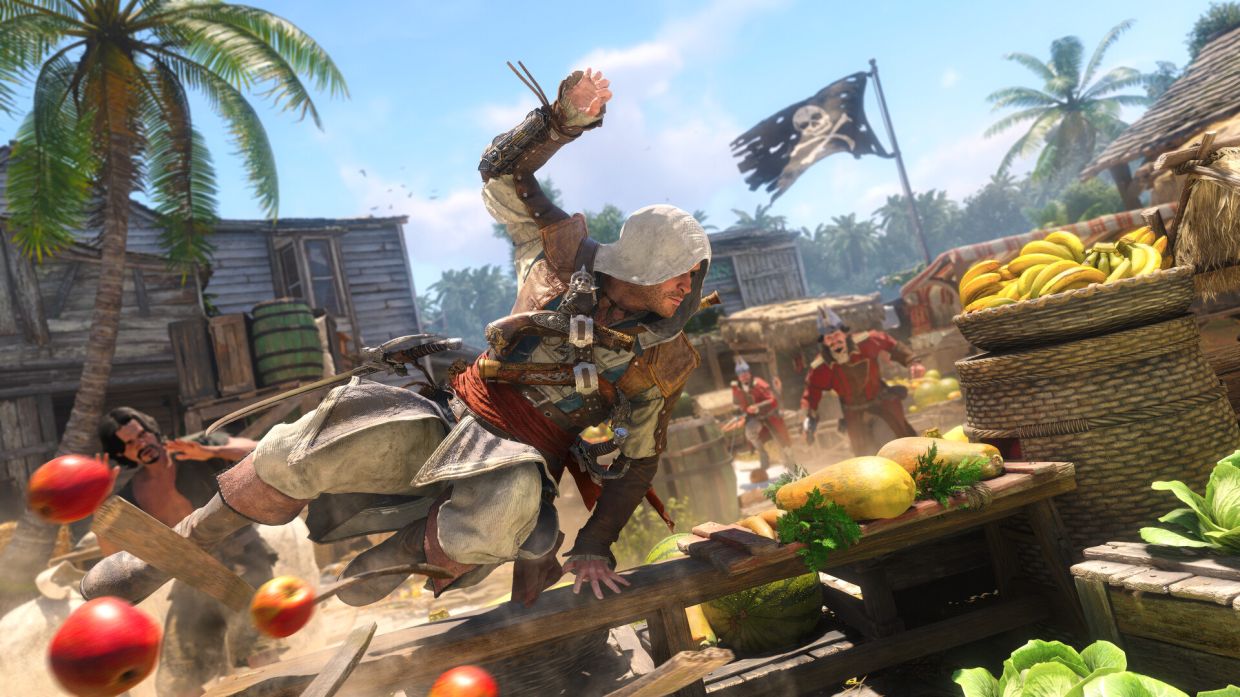
Assassin's Creed Black Flag Resynced exemplifies how remakes can deepen narrative engagement while respecting source material. Rather than faithfully reproducing the original, Ubisoft substantially rewrote the campaign structure, emphasising the pirate storyline of Edward Kenway while de-emphasizing the modern-day framing device that increasingly alienates series fans. The studio expanded the quest structure and narrative depth, creating an experience that feels simultaneously fresh and fundamentally true to the original's appeal. Players describe the remake as capturing the essence so effectively that even veterans of the original find themselves experiencing the adventure anew, discovering depth they'd missed or forgotten.
The technical reconstruction undertaken for these remakes involves far more than cosmetic enhancement. Developers employ contemporary game engines like Unreal Engine 5 to completely rebuild titles, creating modern interpretations capable of matching contemporary graphical standards. The atmospheric improvements—enhanced fog, dynamic snow effects, sophisticated lighting systems—transform the mood and realism of campaigns without altering their essential design. These visual enhancements aren't mere vanity; they make older gameplay systems feel contemporary rather than antiquated, bridging the aesthetic gap between player expectations and gameplay reality.
Gameplay modernisation represents another crucial component of effective remakes. Contemporary versions incorporate features from sequel entries and modern design conventions: aiming mechanics, power-up systems, and vehicle hijacking sequences appear seamlessly integrated rather than bolted on. This approach sidesteps a fundamental problem with literal remakes—that games designed by earlier technological and design constraints often feel restricted when played by modern sensibilities. By thoughtfully integrating innovations from the franchise's evolution, remakes satisfy both players seeking the original experience and those expecting contemporary control and mechanical sophistication.
The philosophical approach underlying these remakes mirrors the work of literary translation. Effective translations don't replace original texts; instead, they make classics accessible to audiences separated by language and cultural distance. Similarly, video game remakes shouldn't be viewed as replacing originals but as democratising access to interactive experiences that might otherwise fade into obscurity. The goal involves capturing essential qualities—the distinctive gameplay flow, narrative pacing, moment-to-moment decision-making—while implementing them through contemporary systems and technologies that resonate with modern players.
For Southeast Asian audiences particularly, remakes address accessibility challenges that global gaming communities face. Not all players possess original hardware or the technical knowledge to emulate older systems. Remakes distributed through contemporary platforms reach audiences that would otherwise encounter these classics only through second-hand markets or technical workarounds. They democratise access to gaming heritage that helped shape industry conventions now taken for granted.
Purists understandably feel ambivalent about remakes, preferring to experience games on original hardware exactly as creators intended. This perspective deserves respect, yet it shouldn't overshadow broader preservation concerns. Original versions will likely remain available for dedicated enthusiasts with the technical skill and resources to maintain legacy hardware. Remakes instead extend lifelines to broader audiences and serve as insurance against complete loss when technology finally renders originals unplayable.
The deeper significance of this remake wave concerns how industries preserve cultural works across technological transitions. Gaming faces unique challenges compared to cinema or literature because its artistic essence is inseparable from technological interaction. As platforms evolve and hardware becomes obsolete, remakes ensure that the creative achievements embedded in classic games survive technological discontinuity. They represent the industry's gradual recognition that digital culture requires intentional preservation strategies.

