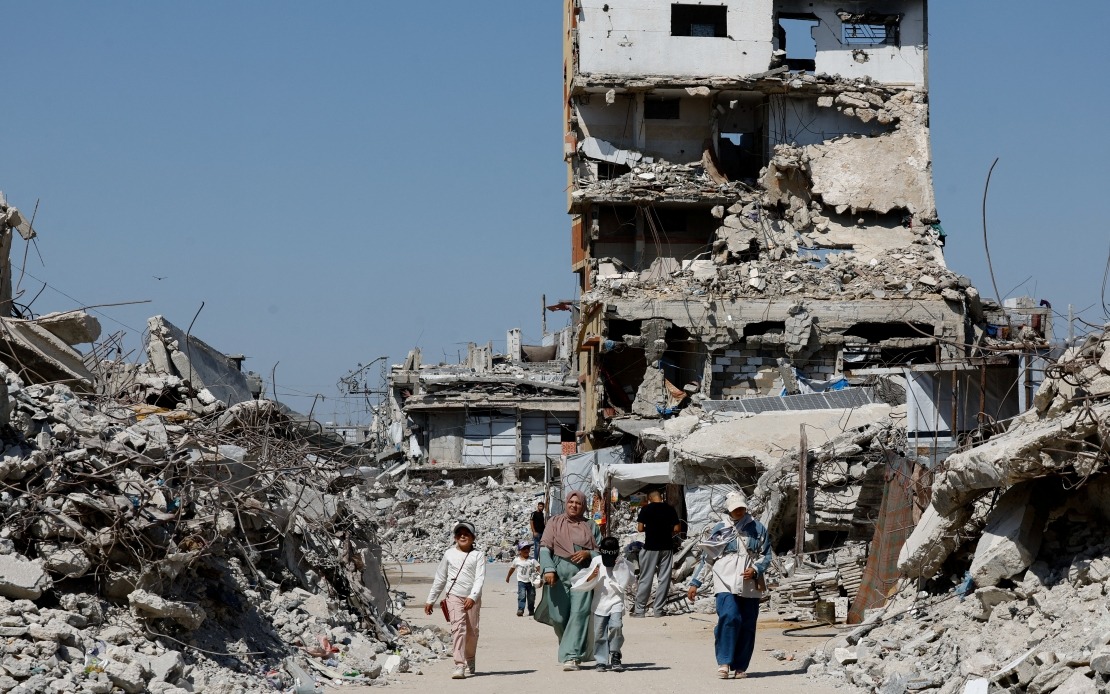
The humanitarian crisis in Gaza has deepened with the Palestinian Health Ministry confirming another 10 fatalities within a single 24-hour period, supplementing an already staggering death toll that now exceeds 73,400 individuals since Israel's military operations commenced in October 2023. The ministry's Thursday report, relayed through Anadolu Ajansi, underscores the persistent violence affecting the blockaded coastal territory despite international ceasefire agreements intended to bring relief to the besieged civilian population.
Accompanying these fatal casualties, the ministry documented 25 additional injuries over the same period, with Gaza's overwhelmed healthcare system struggling to manage influxes of wounded civilians. The health infrastructure, already crippled by months of intense military conflict, continues receiving bodies and injured persons daily, a grim reminder of the ongoing humanitarian toll. Hospital staff operate under severe constraints, lacking adequate medical supplies and facing electricity shortages that hamper their capacity to treat the injured effectively.
The circumstances surrounding these latest deaths remain unspecified by the ministry, though the report indicates that Israeli military forces have maintained active shelling and gunfire operations across multiple locations throughout Gaza. These actions contravene the October 2025 ceasefire agreement, which was intended to halt hostilities and allow humanitarian access to the devastated territory. The continued military engagement demonstrates the fragility of the truce and raises serious questions about compliance with internationally brokered peace arrangements.
A particularly troubling aspect of the ongoing violence is the inability of emergency responders to reach all casualties. The ministry stated that numerous victims remain trapped beneath collapsed buildings and along roads, with ambulance services and civil defence teams unable to access these areas due to active combat conditions. This situation creates a secondary humanitarian catastrophe, where survivors perish from injuries or lack of medical attention before rescue operations become feasible, compounding the documented death count with additional undocumented losses.
Since the October 2025 ceasefire took effect, violations of the truce terms have claimed 1,283 additional lives, with 4,248 others sustaining injuries from renewed hostilities. This breakdown reveals that despite the supposed cessation of major combat operations, the agreement has failed to prevent significant loss of life. The cumulative toll from violations alone exceeds the death toll from entire historical conflicts, underscoring the intensity of the resumed violence and the agreement's apparent ineffectiveness in preventing casualties.
The overall casualty figures paint a catastrophic picture: 73,417 individuals killed and 174,360 wounded since October 2023. These numbers represent not merely abstract statistics but entire families destroyed, communities dismantled, and a generation scarred by unprecedented violence. For regional observers, particularly those in Southeast Asia watching global humanitarian responses, these figures raise critical questions about international mechanisms for enforcing ceasefire agreements and protecting civilian populations during conflicts.
Beyond the immediate loss of life, the military campaign has inflicted severe structural damage across Gaza, destroying approximately 90 per cent of the territory's civilian infrastructure. Schools, hospitals, water treatment facilities, power plants, and residential neighbourhoods have been systematically damaged or rendered non-functional. The United Nations estimates that reconstruction costs could reach approximately US$70 billion, a figure that underscores the scale of physical destruction accompanying the human toll.
For Malaysia and other Southeast Asian nations, this crisis presents pressing concerns regarding humanitarian intervention, refugee displacement, and the efficacy of international conflict resolution mechanisms. The scale of destruction and casualty figures comparable to major humanitarian disasters demand renewed diplomatic engagement and pressure on all parties to respect ceasefire agreements. Malaysian policymakers monitoring the situation must consider implications for regional stability and the precedent being set regarding international accountability for civilian protection during military operations.
The continued violations of the ceasefire agreement highlight fundamental failures in the international framework designed to prevent such occurrences. Despite multiple international observers and peacekeeping mechanisms, the agreement has proven insufficient to halt military operations or protect civilians from harm. This reality challenges assumptions about the effectiveness of modern ceasefire agreements and raises concerns about whether similar mechanisms would prove more effective in other regional conflicts, including those affecting Southeast Asian interests.
The Palestinian Health Ministry's regular documentation of casualties serves as a critical oversight mechanism in the absence of independent international monitoring bodies with unrestricted access to the territory. These official health sector reports represent the most comprehensive available data regarding actual casualties, though the real toll may be higher given difficulties in reaching all affected areas and recovering bodies from rubble. For international observers and policymakers seeking accurate information about the humanitarian impact, these ministry reports remain essential despite the challenges in verifying all claims in real-time.
Moving forward, the sustainability of any ceasefire arrangement will depend on genuine commitment from military forces to cease offensive operations and allow humanitarian access. The current trajectory, with continued violations adding hundreds of deaths monthly to the toll, suggests that without fundamental changes in military conduct and international enforcement mechanisms, the human catastrophe in Gaza will continue expanding. Regional powers and international community members must urgently address not only the immediate ceasefire violations but also the underlying political obstacles preventing sustainable peace.

